Insects
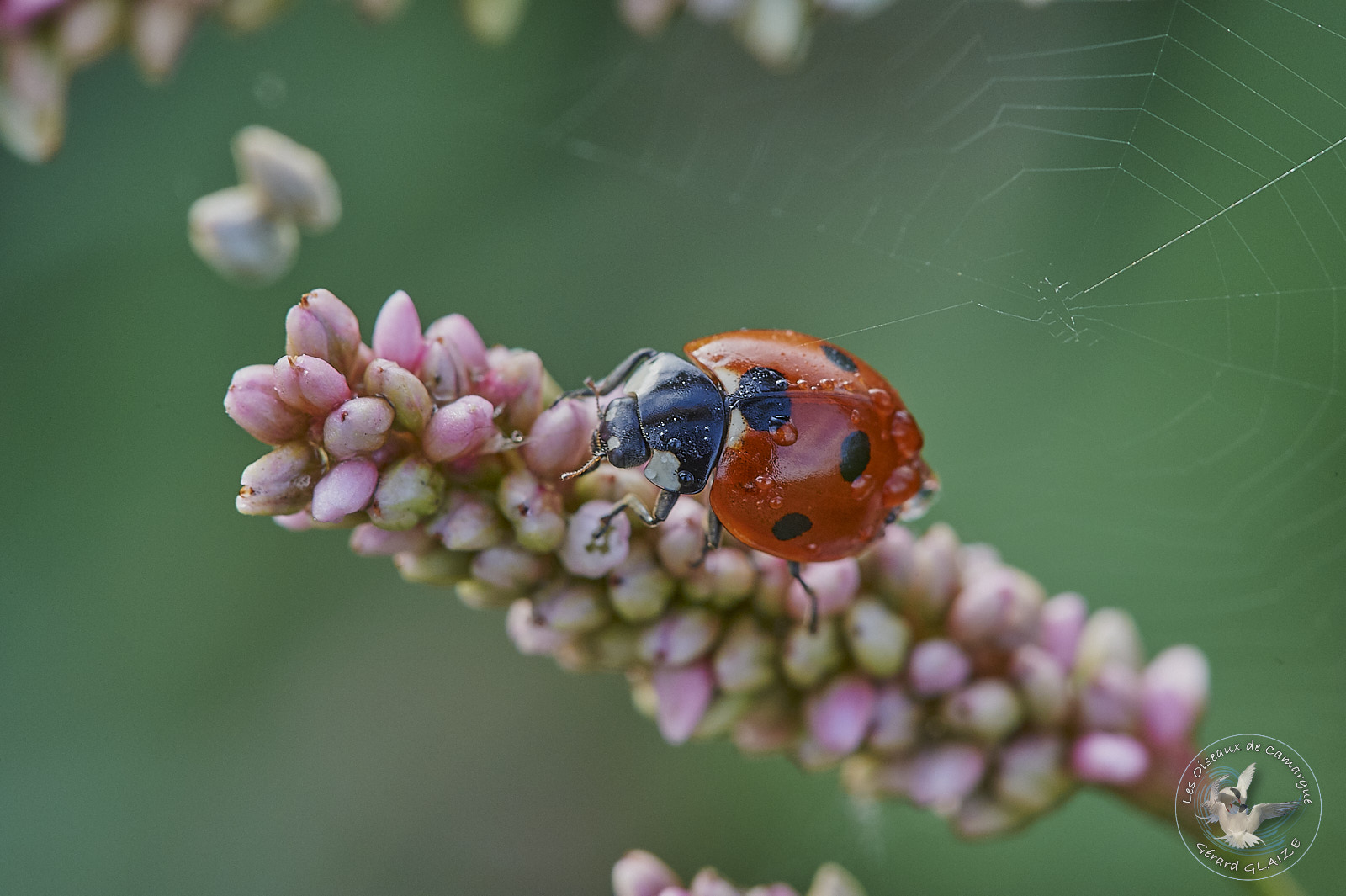
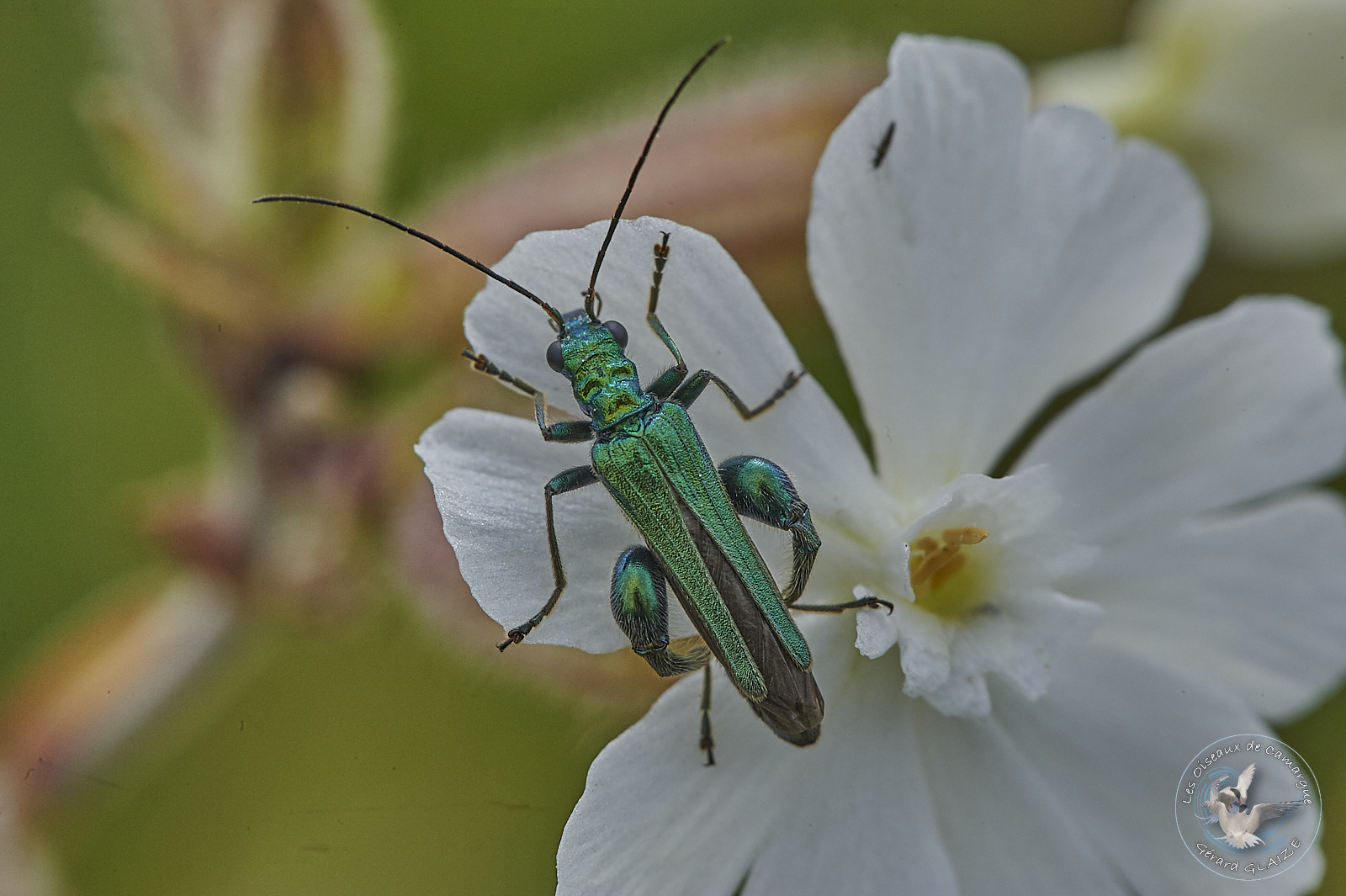
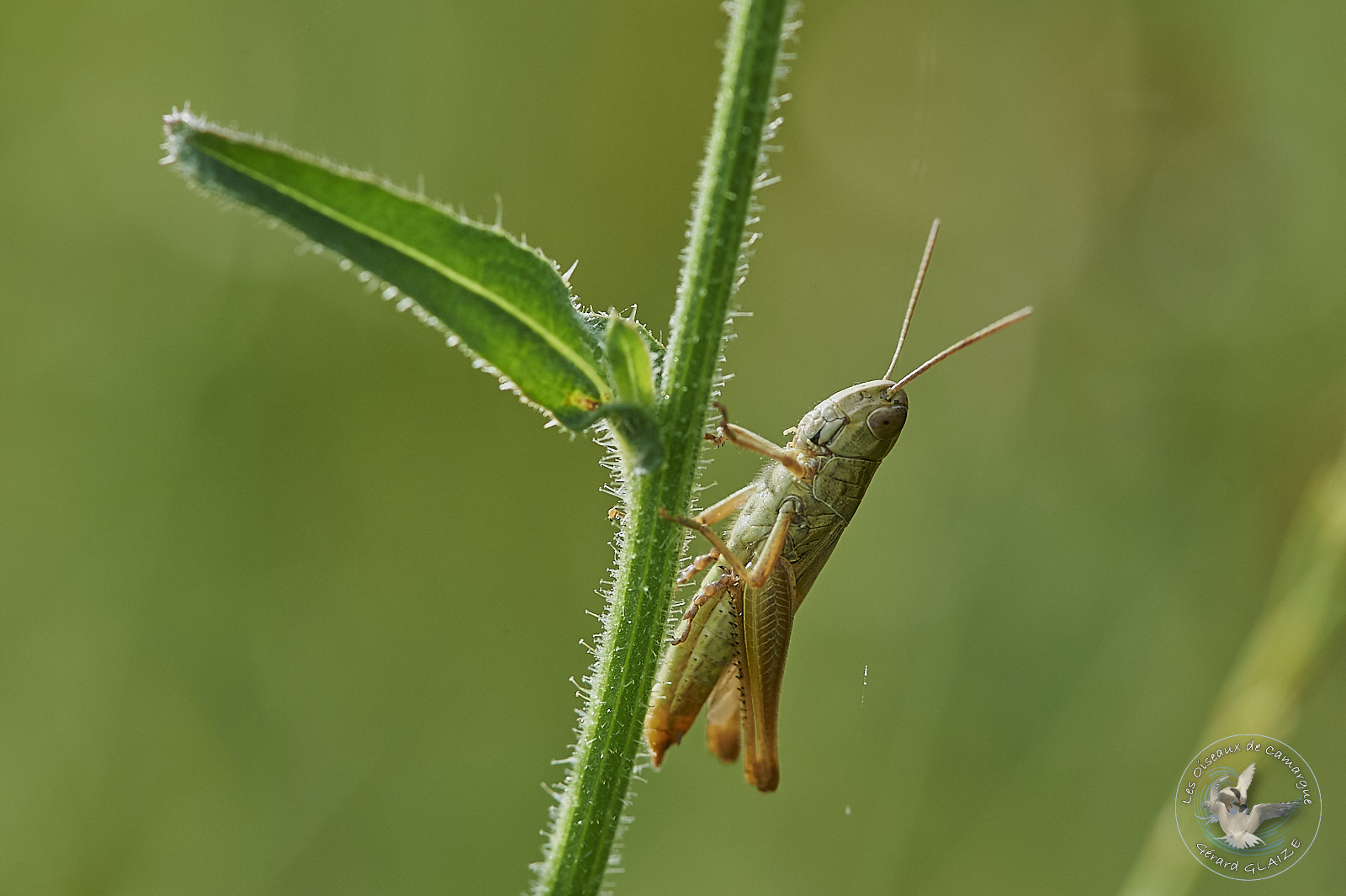
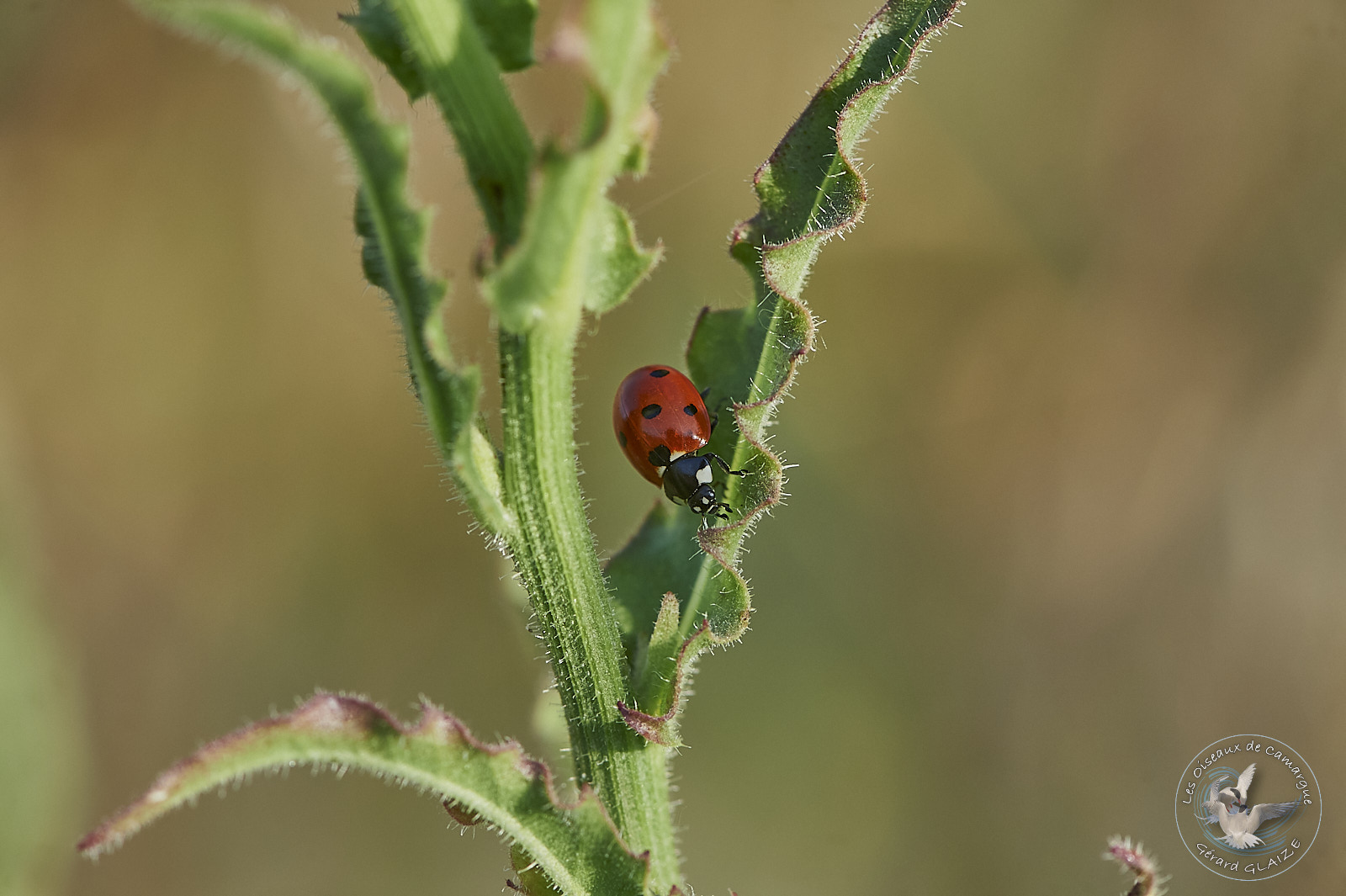
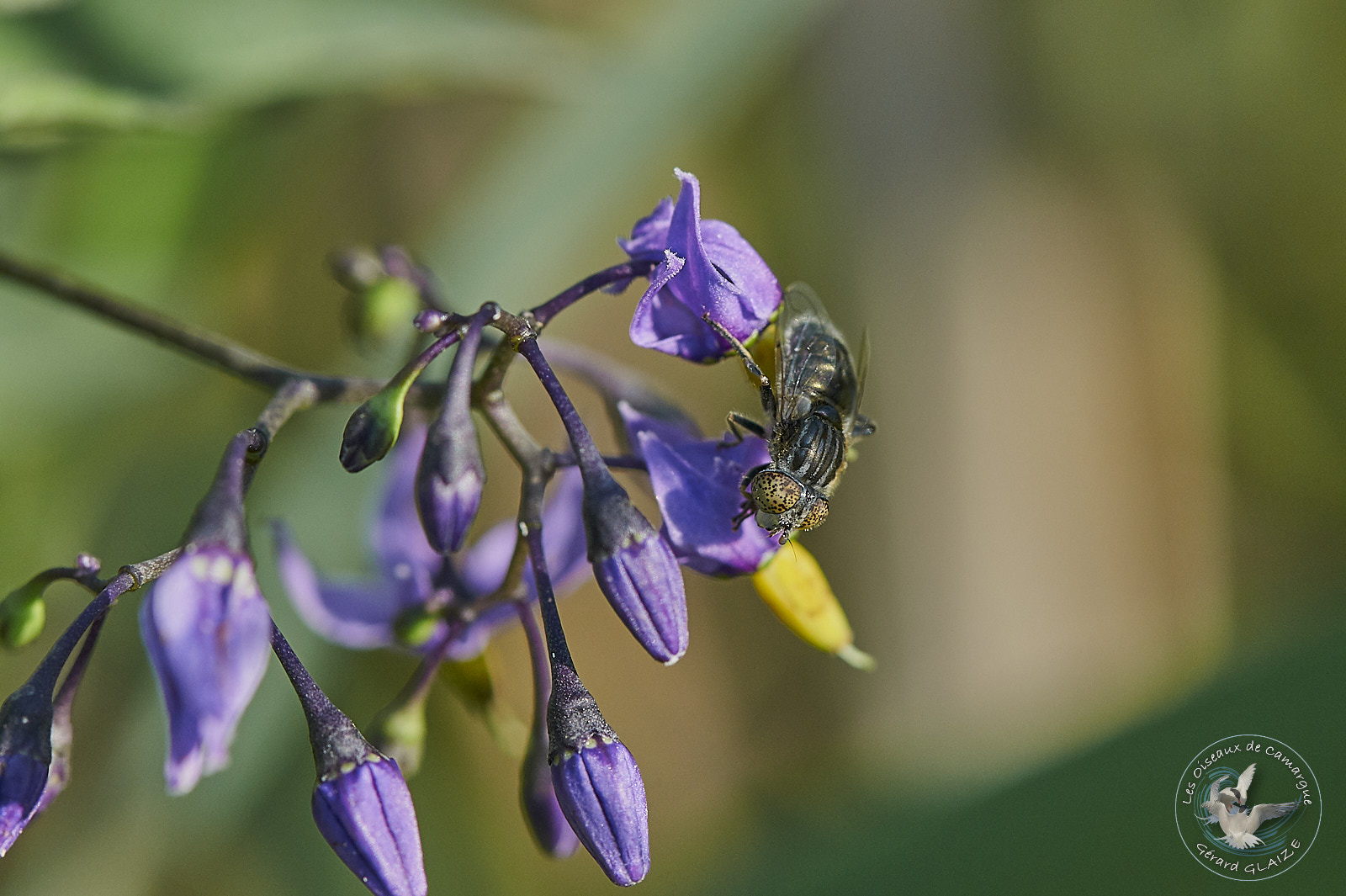
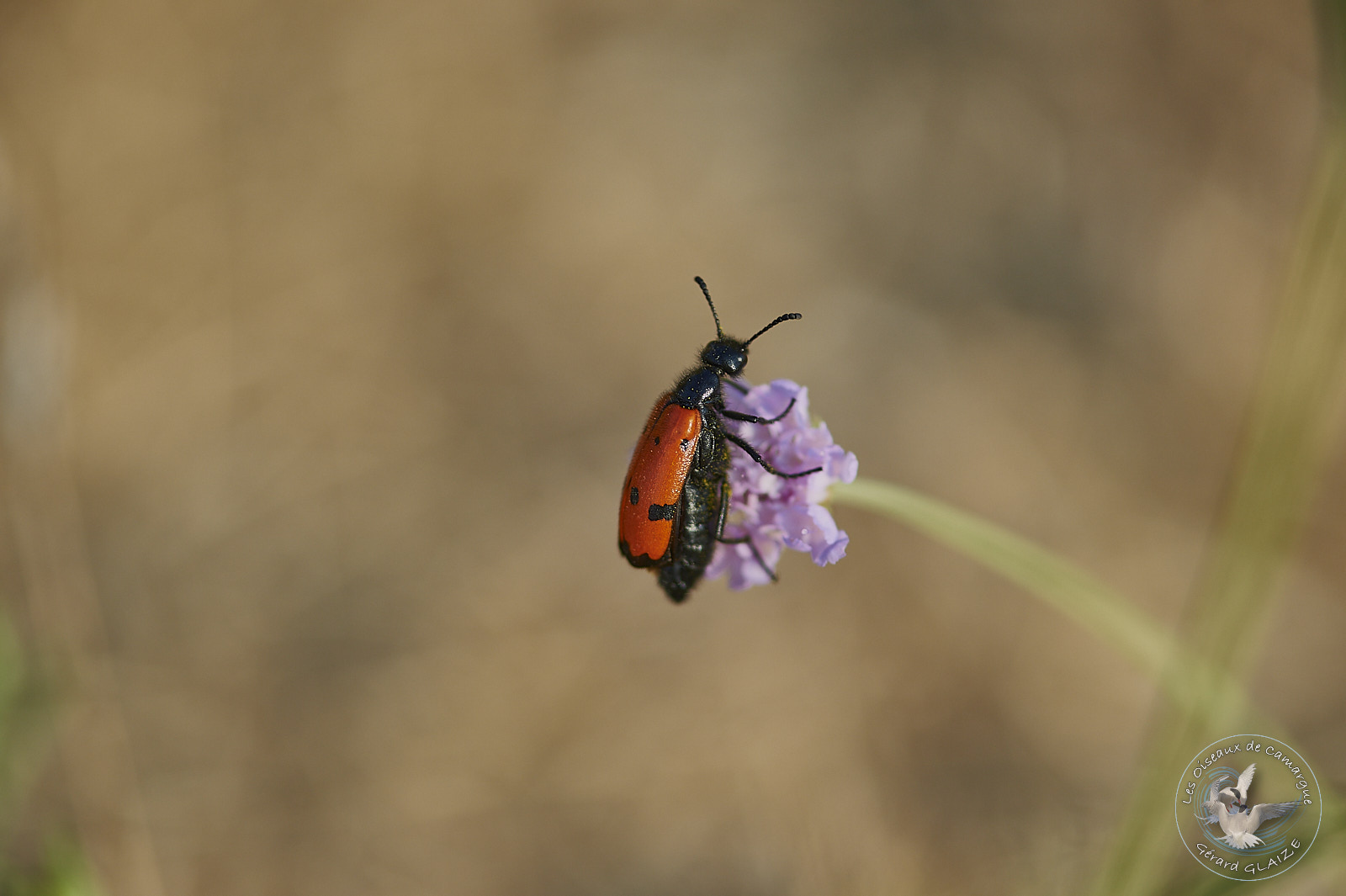
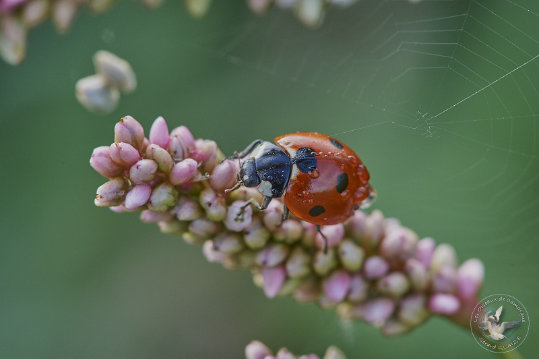
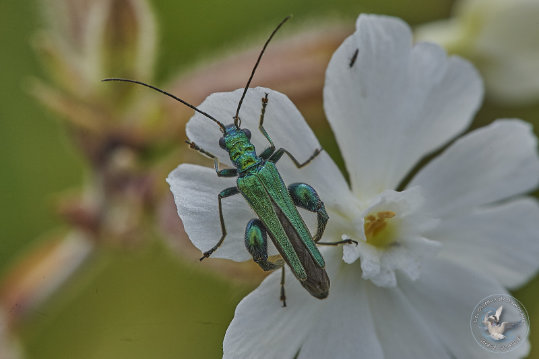
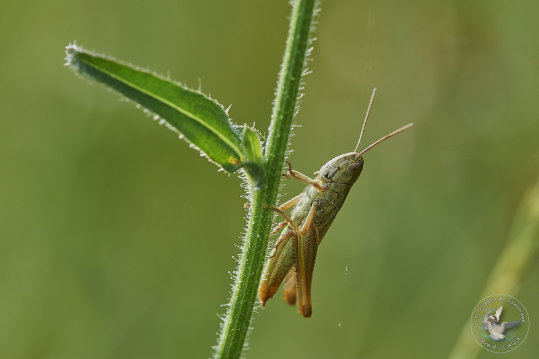
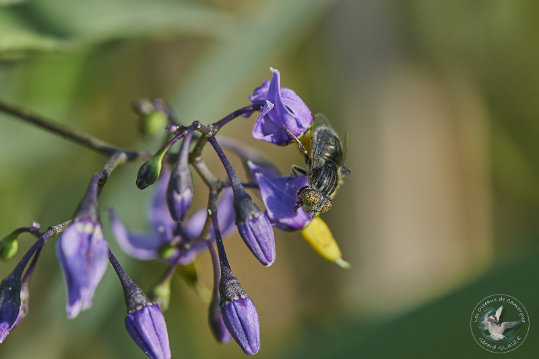
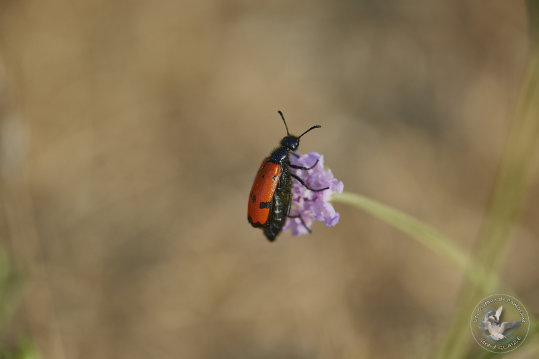
The Insects are a class of invertebrate animals characterized by a body segmented into three tags:
The life cycle of insects goes through several stages of physical transformations called “moults” and generally involves several metamorphoses. Spiders, scorpions and mites are not insects, but arachnids; among other differences, they have eight legs.
Entomology is the branch of zoology concerned with the study of insects.
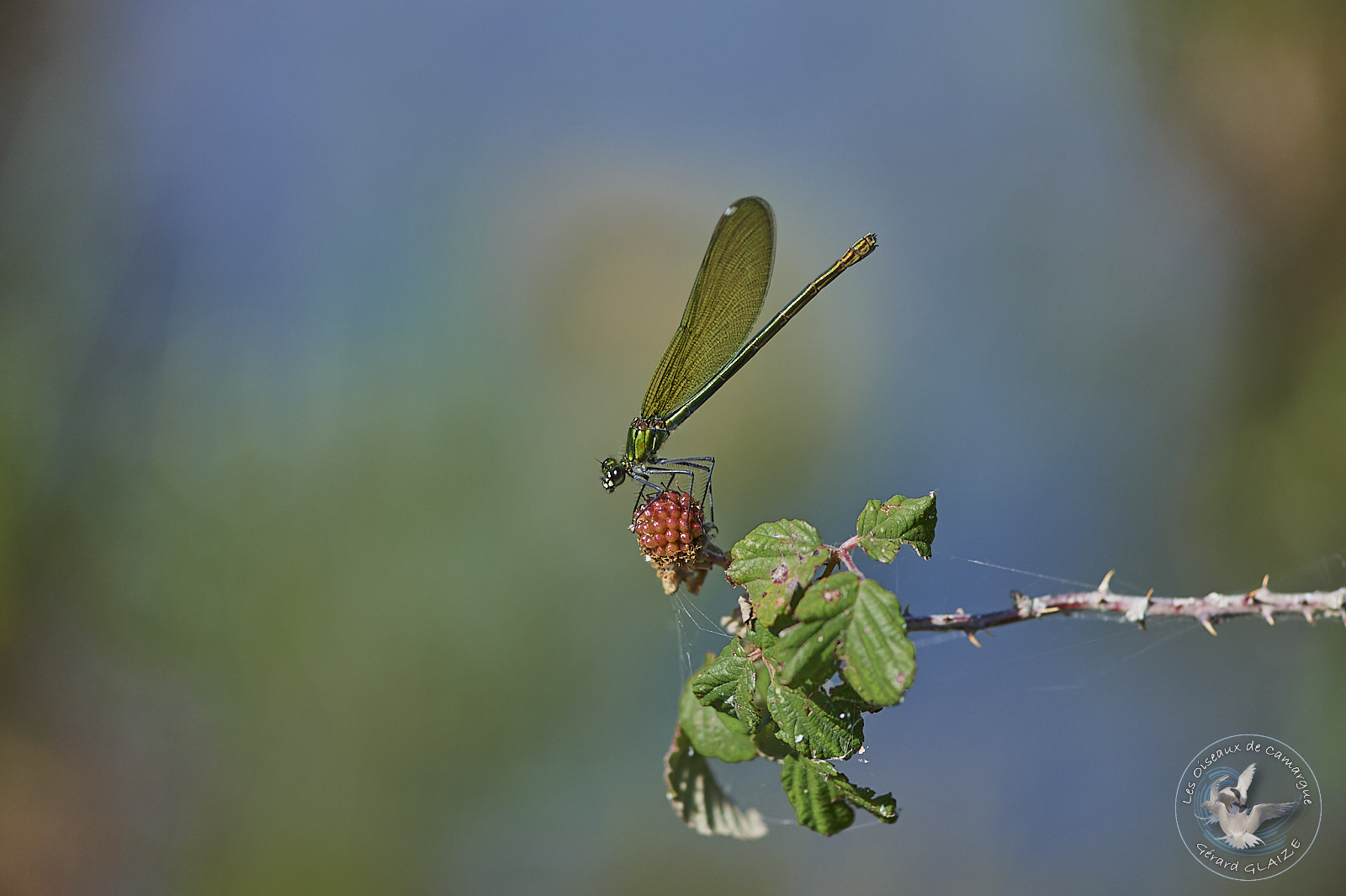
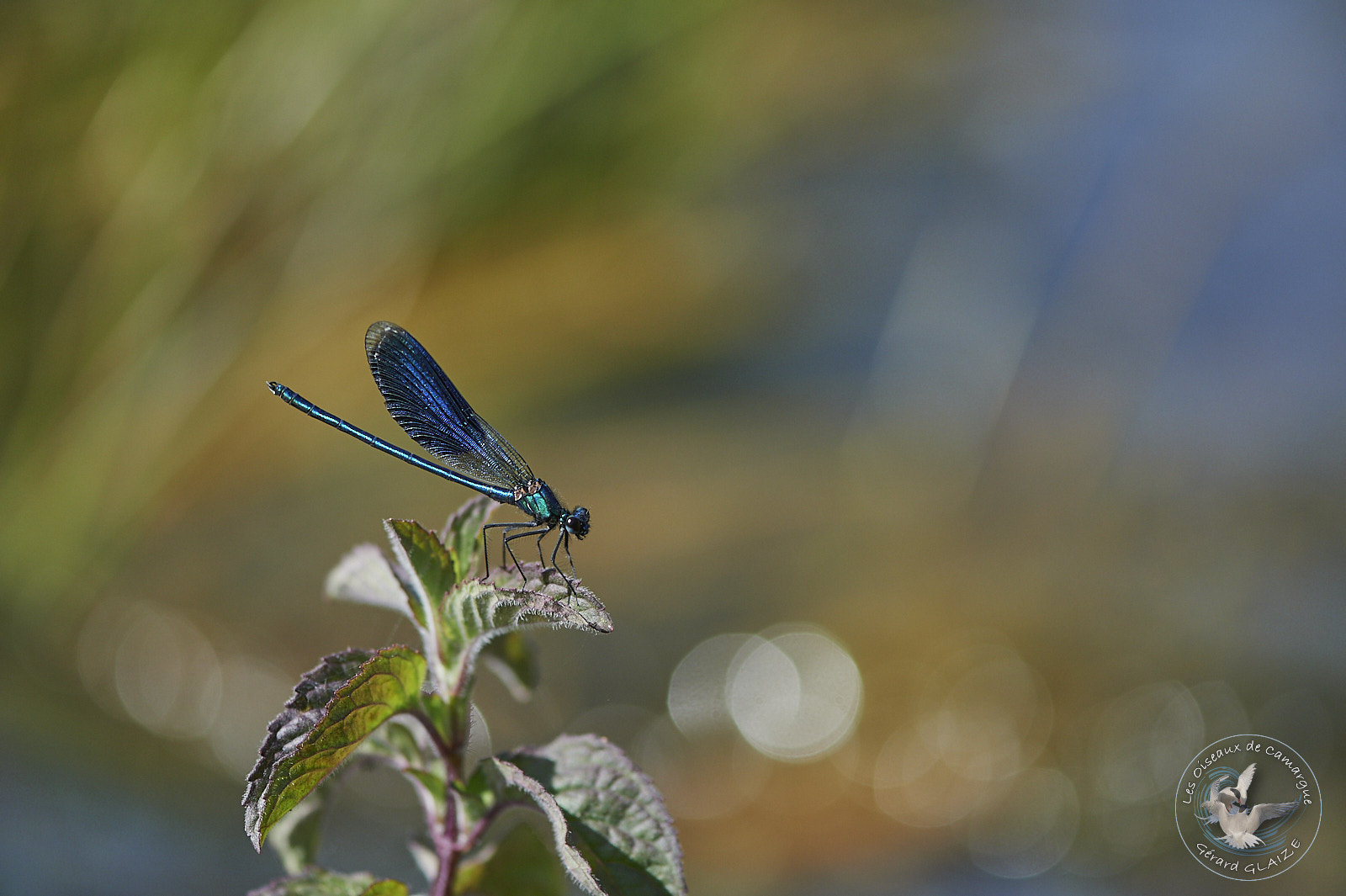
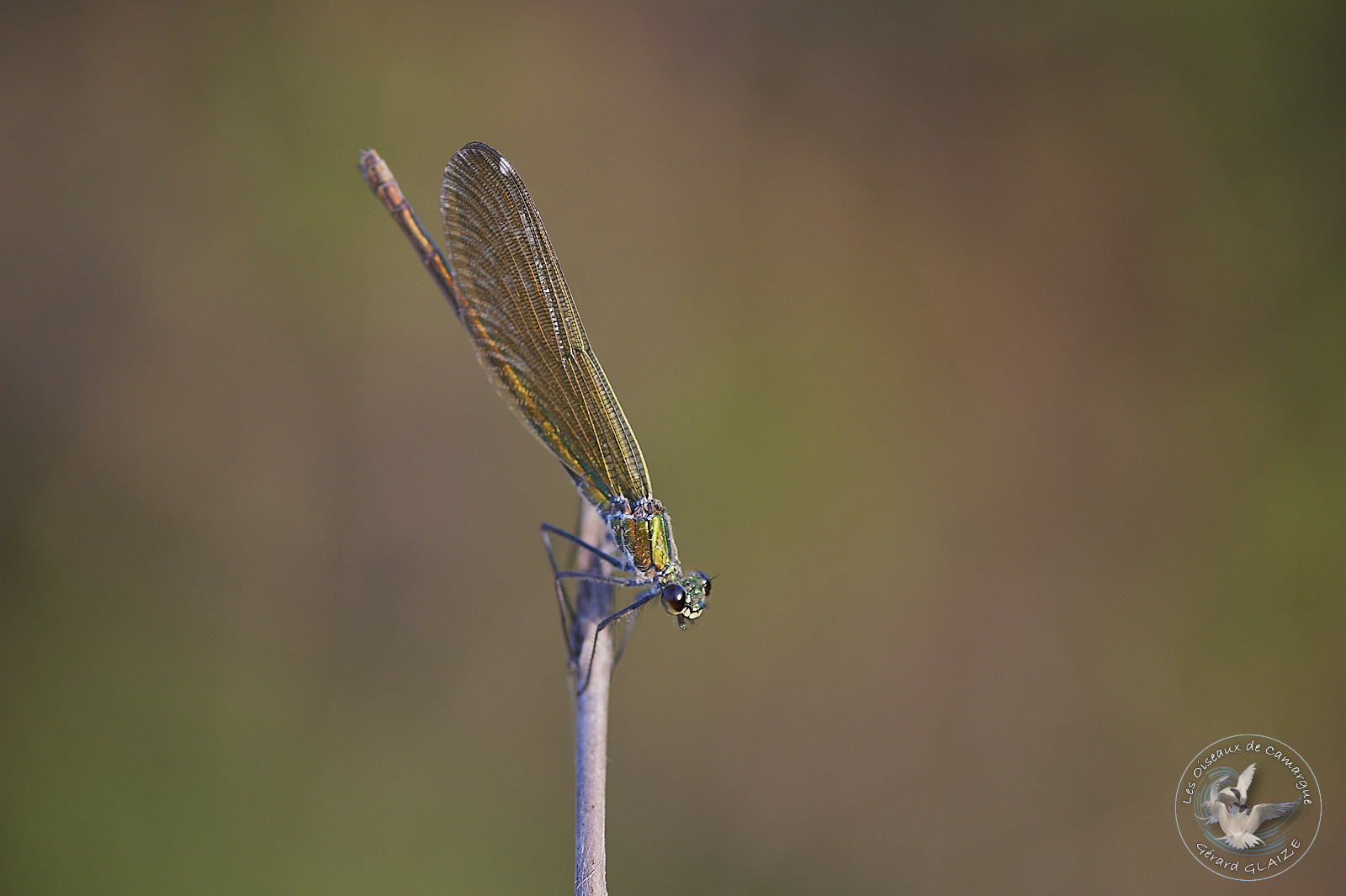
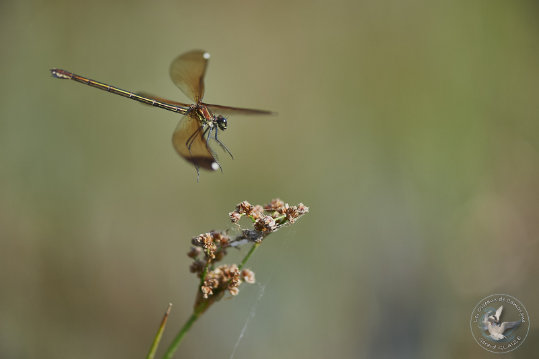
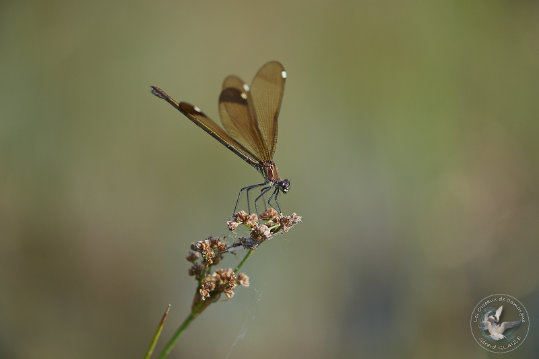
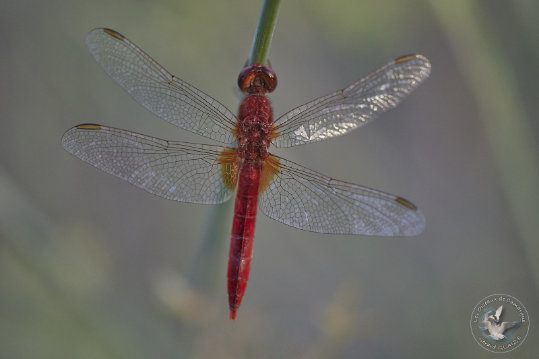
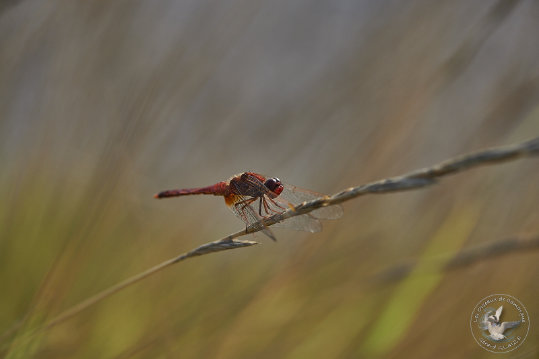
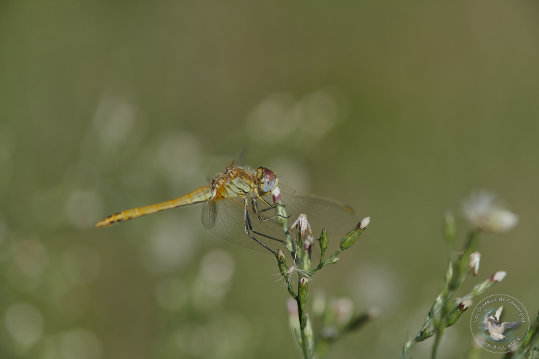
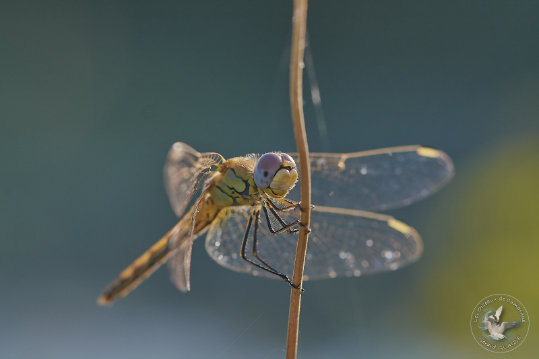
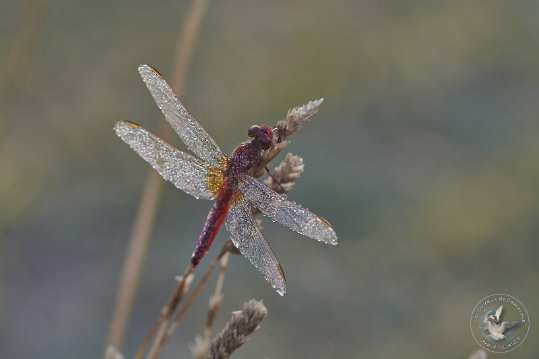
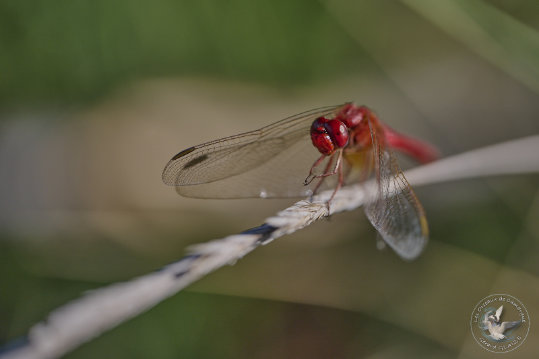
Among the insects that I have encountered in the Camargue, the most frequent are the odonates (dragonflies, agrions, calopteryx).
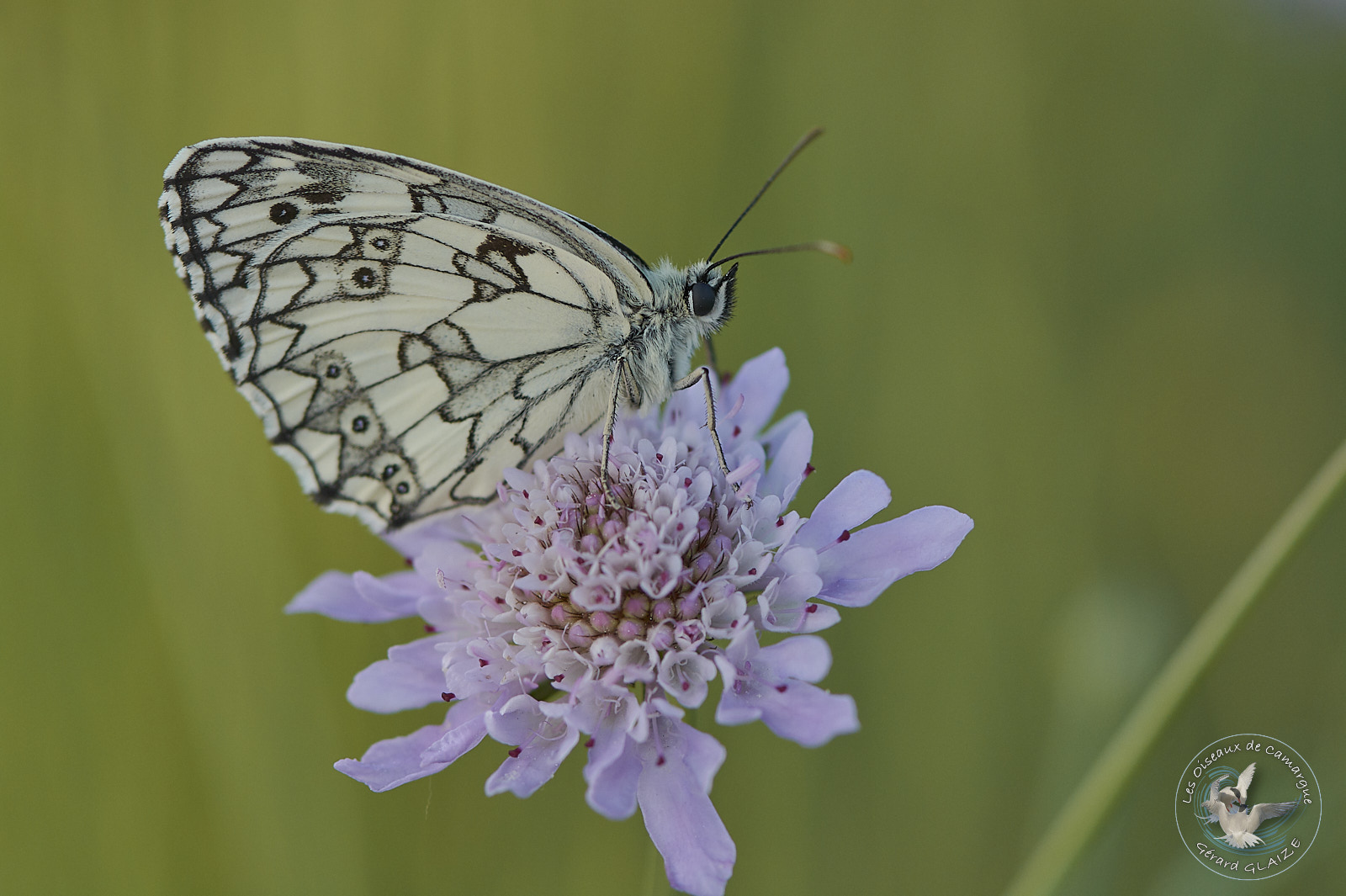
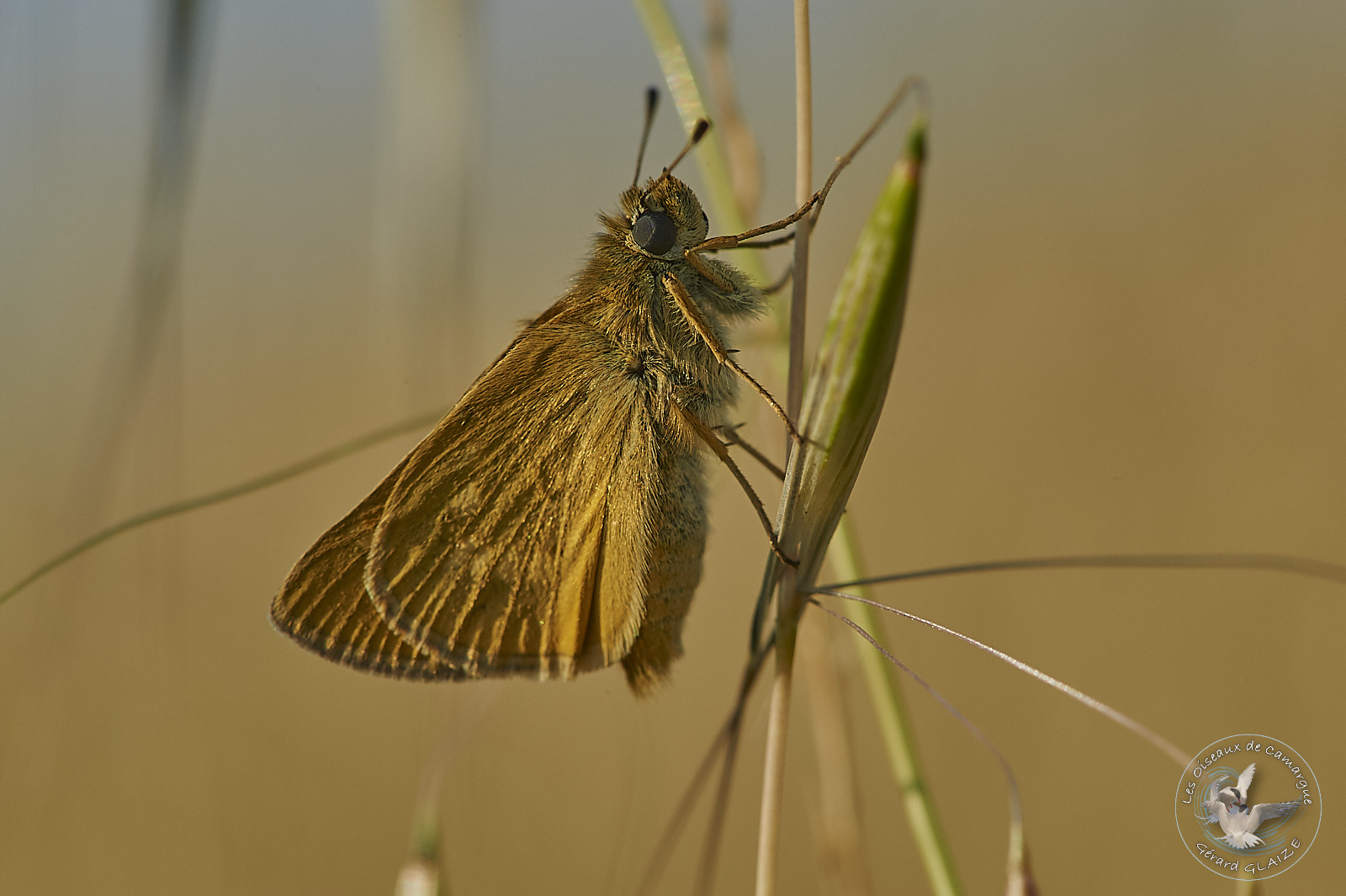
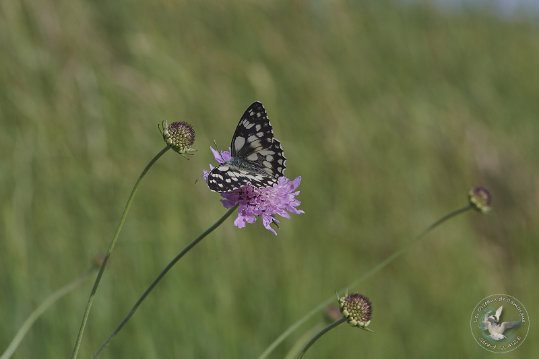
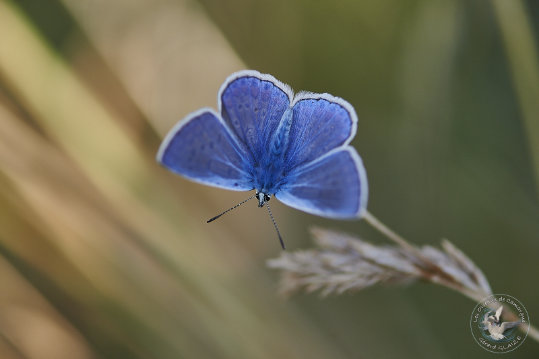
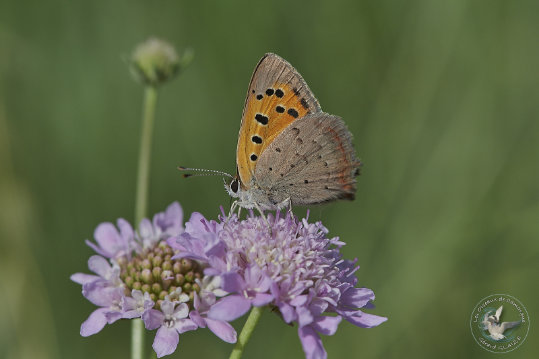
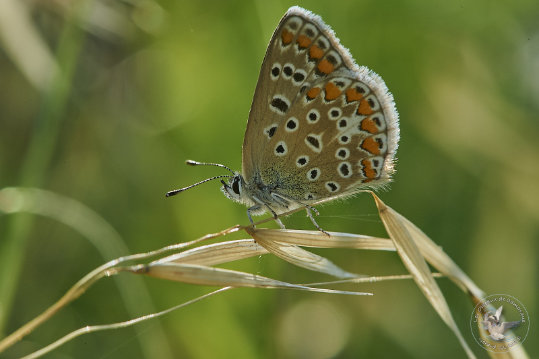
Butterflies
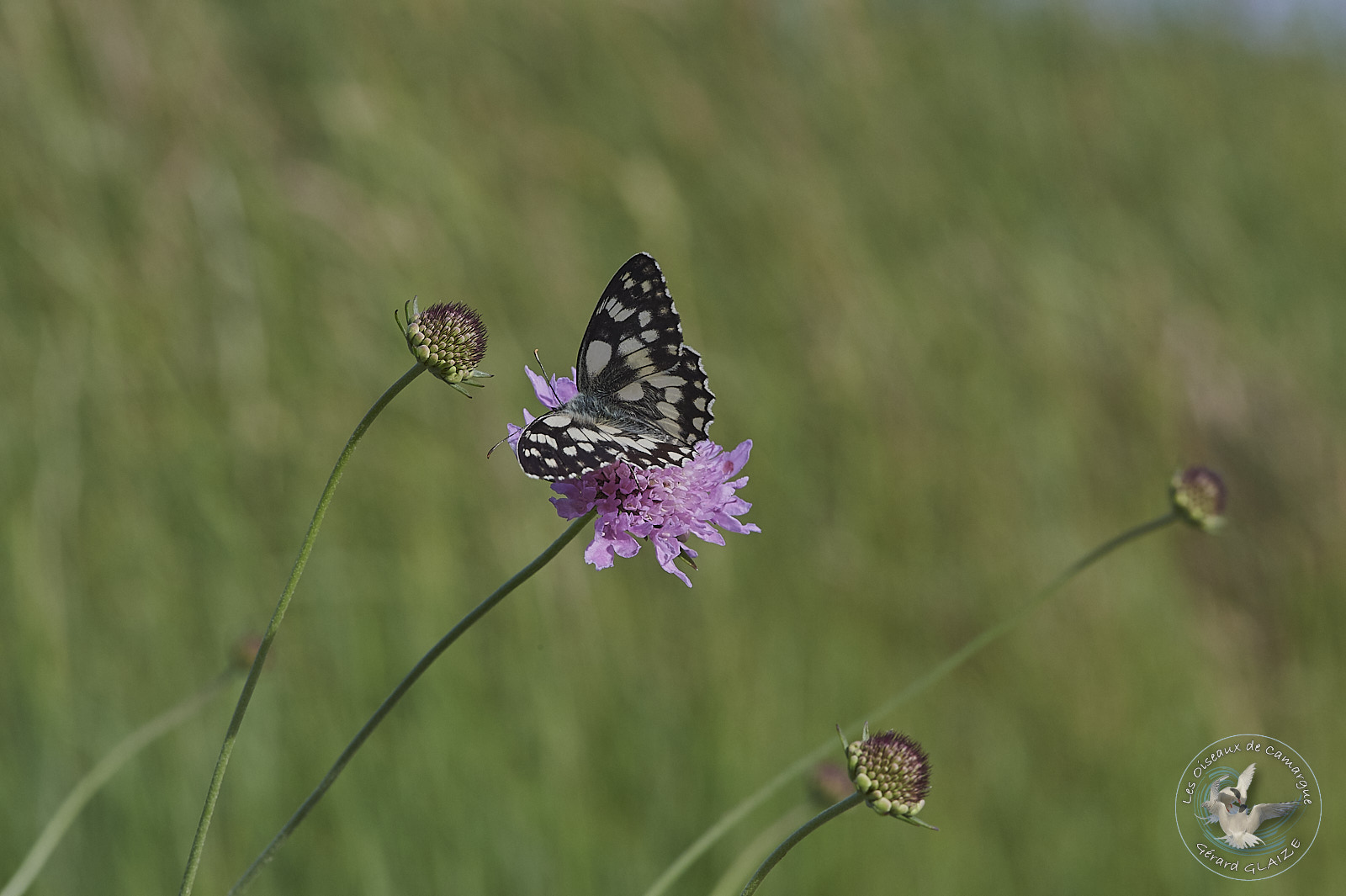
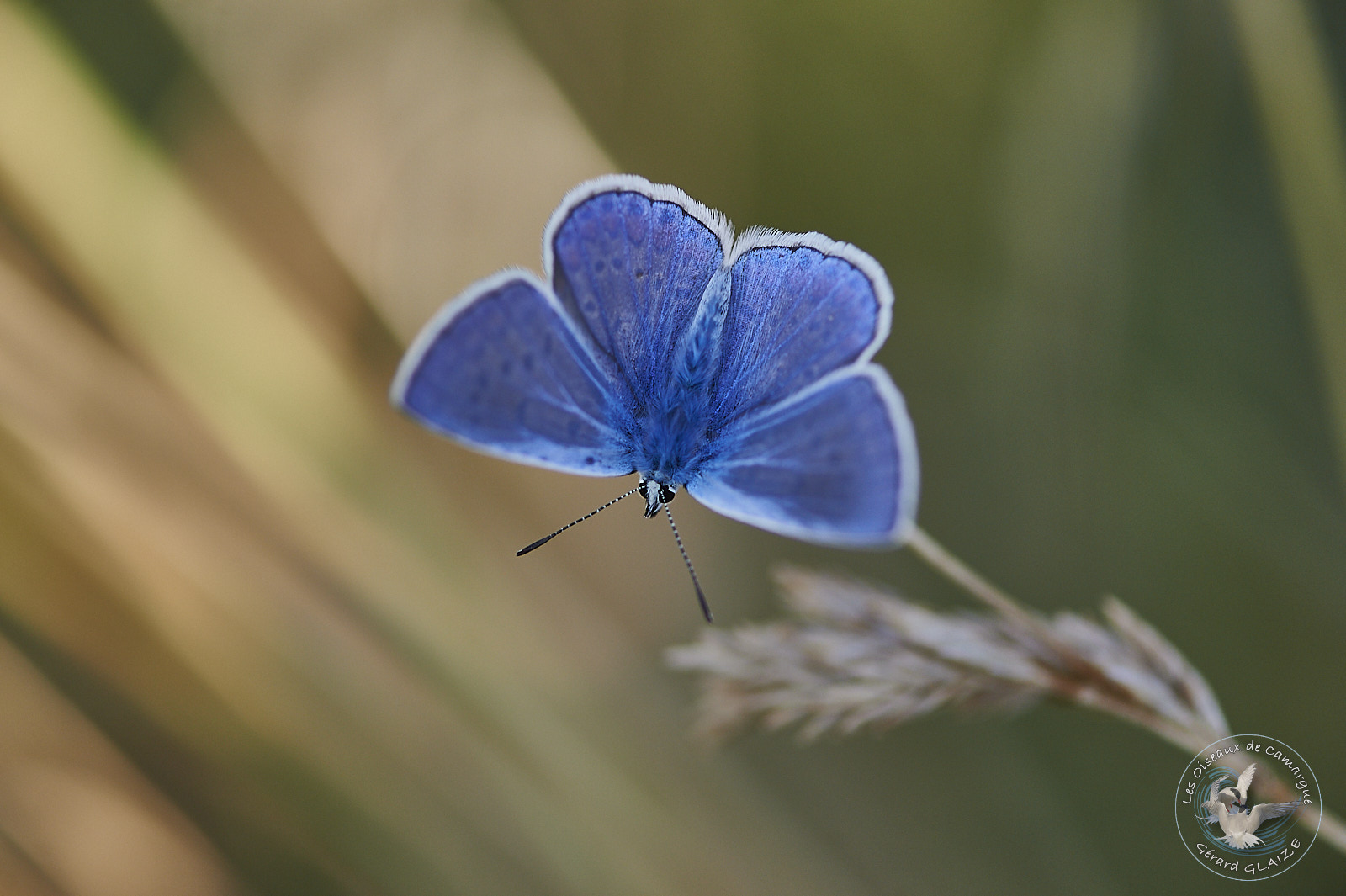
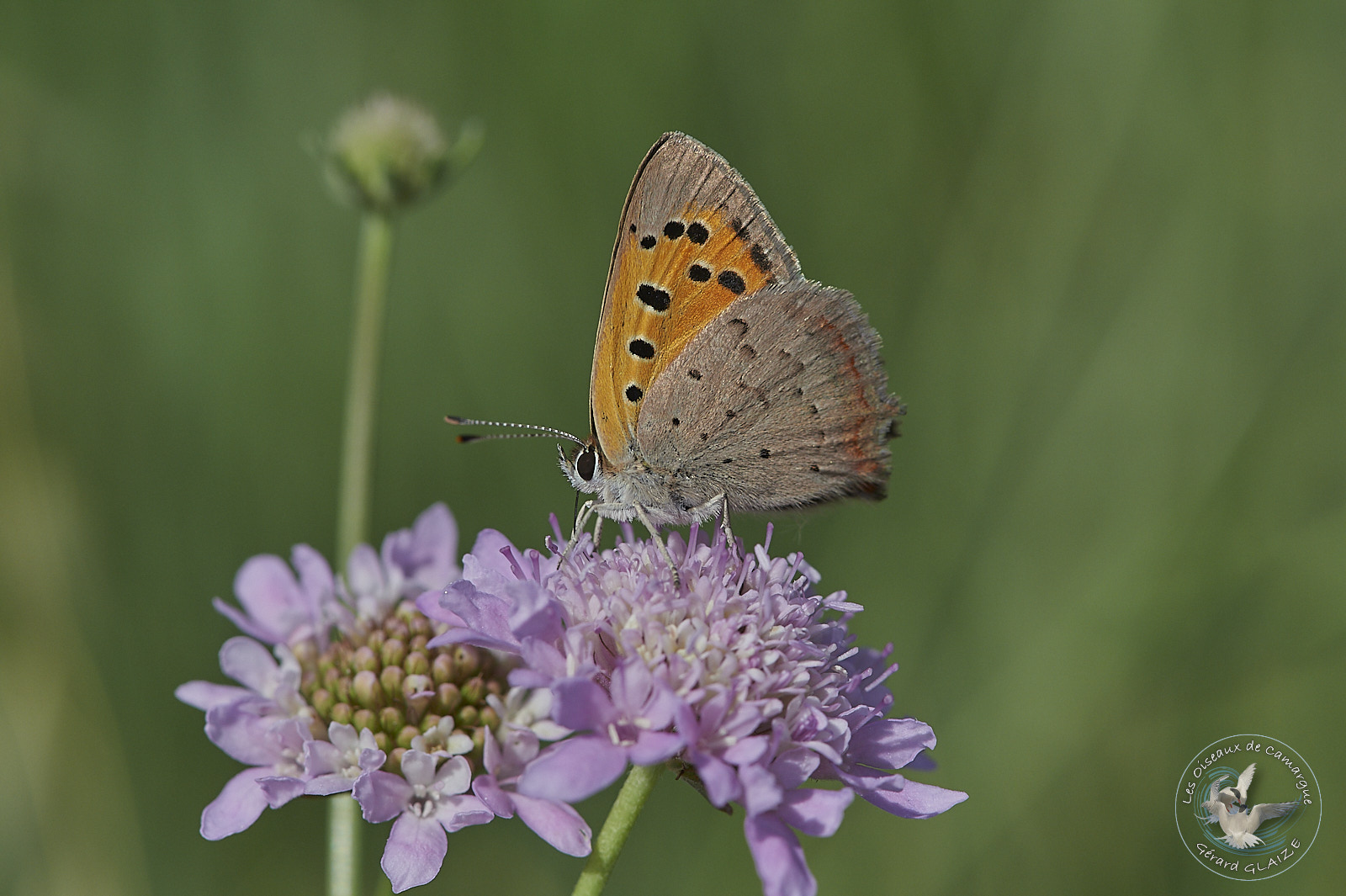
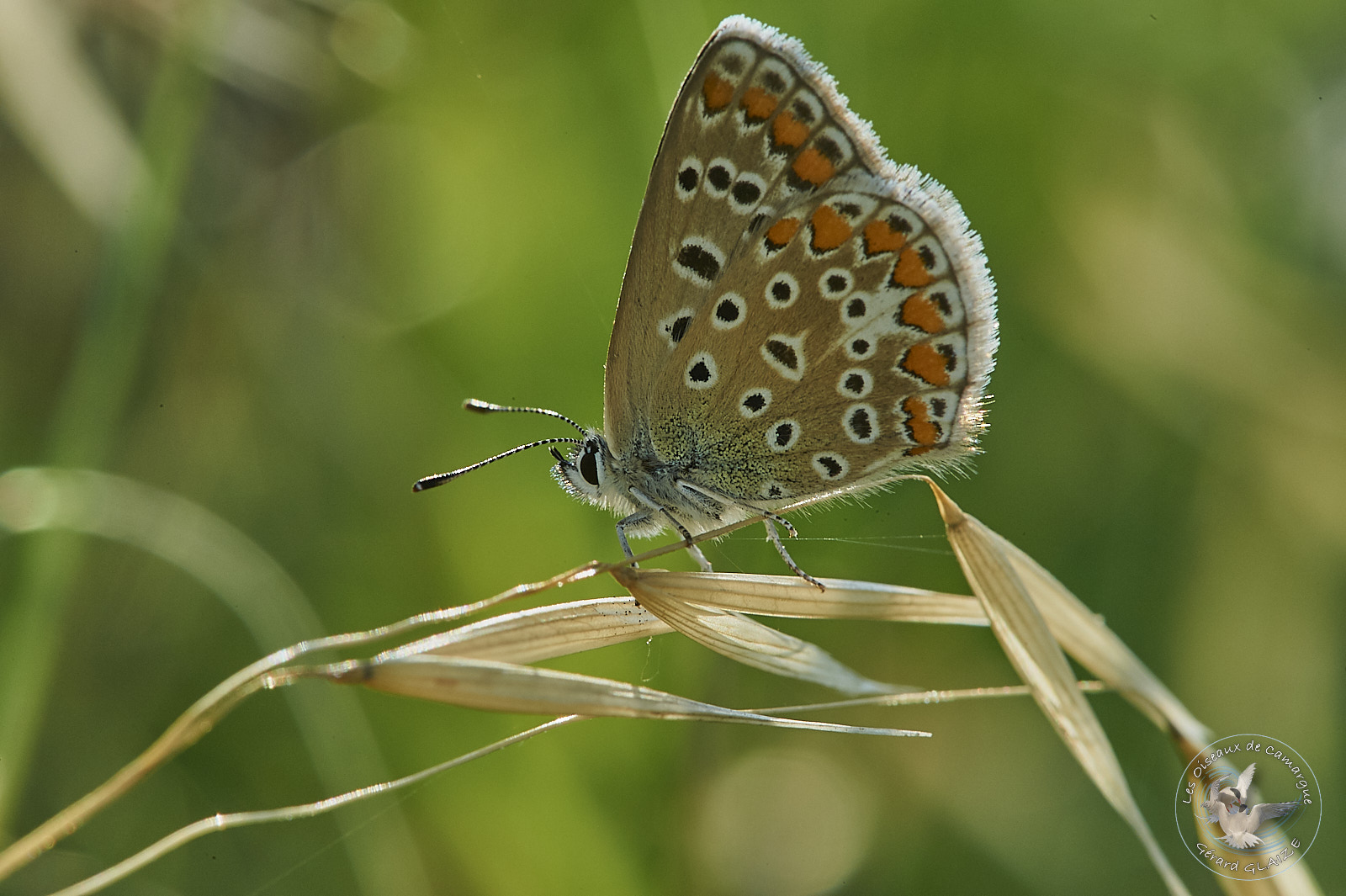
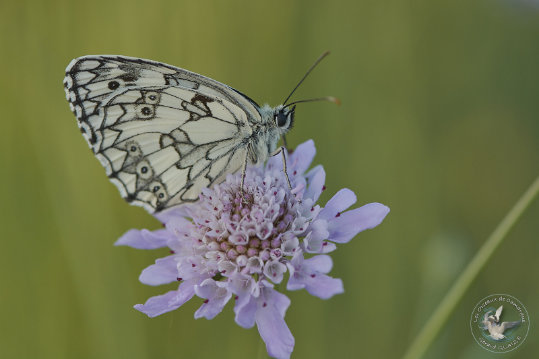
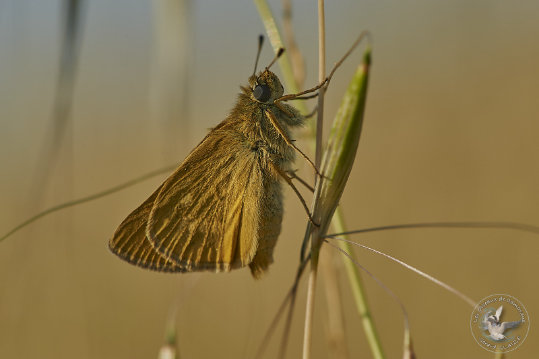
Lepidoptera (Lepidoptera) are an order of insects, in the adult form they are commonly called butterflies. They are characterized in the adult state by three pairs of legs (like all insects) and by two pairs of wings covered with scales of very varied color depending on the species. Lepidoptera lay eggs which give rise to caterpillars. The latter make silk, and then often form a cocoon.
Butterflies are pollinators, and therefore have a useful role in nature, although some species are presented as pests for agriculture in the caterpillar state. They are also prey for birds and other animals.
The 5,200 species of butterflies listed in France therefore play an important role in the proper functioning of the balance of the ecosystem. By their natural beauty, butterflies are apt to arouse popular enthusiasm for the protection of natural sites.
The Odonata
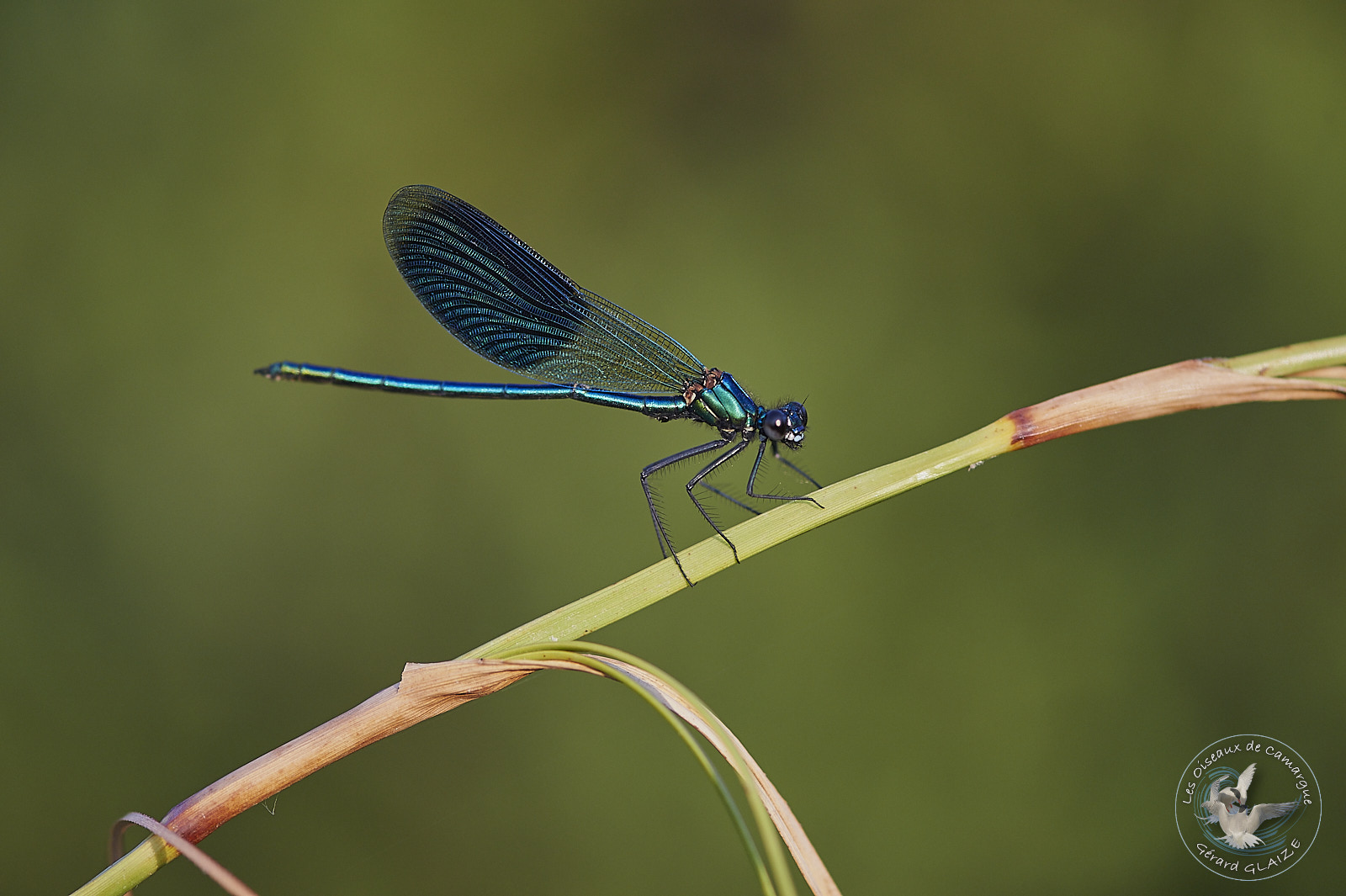
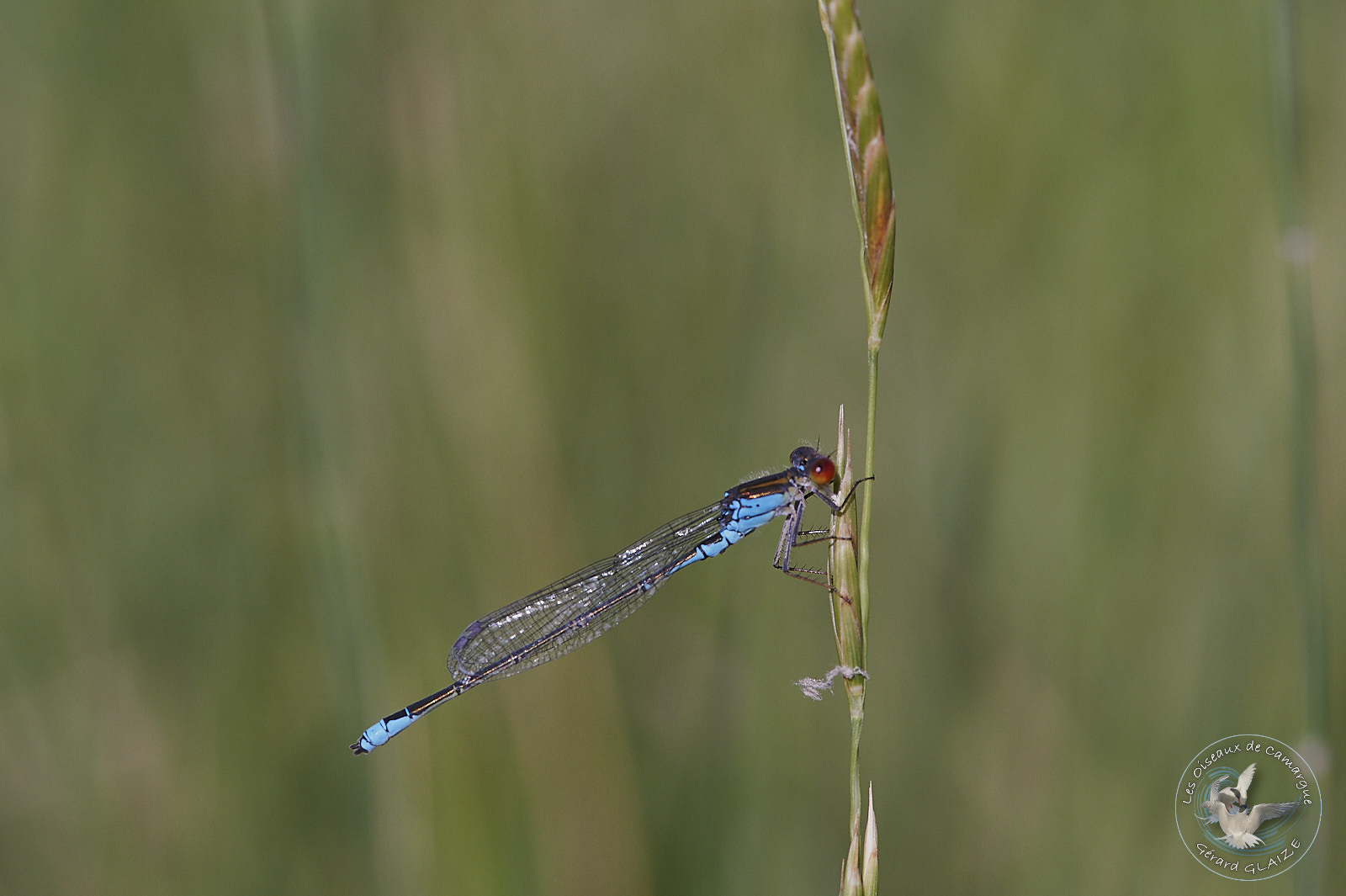
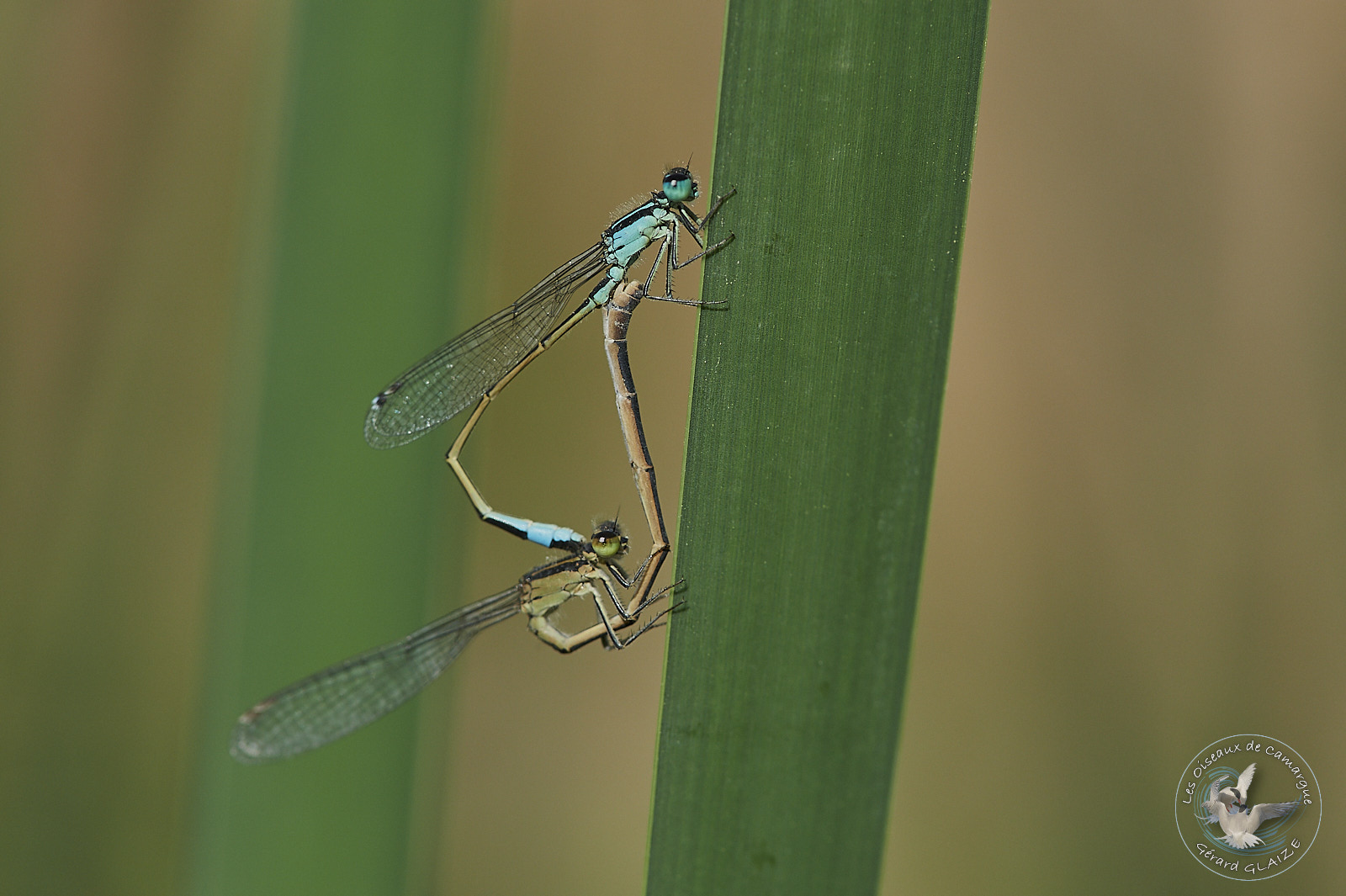
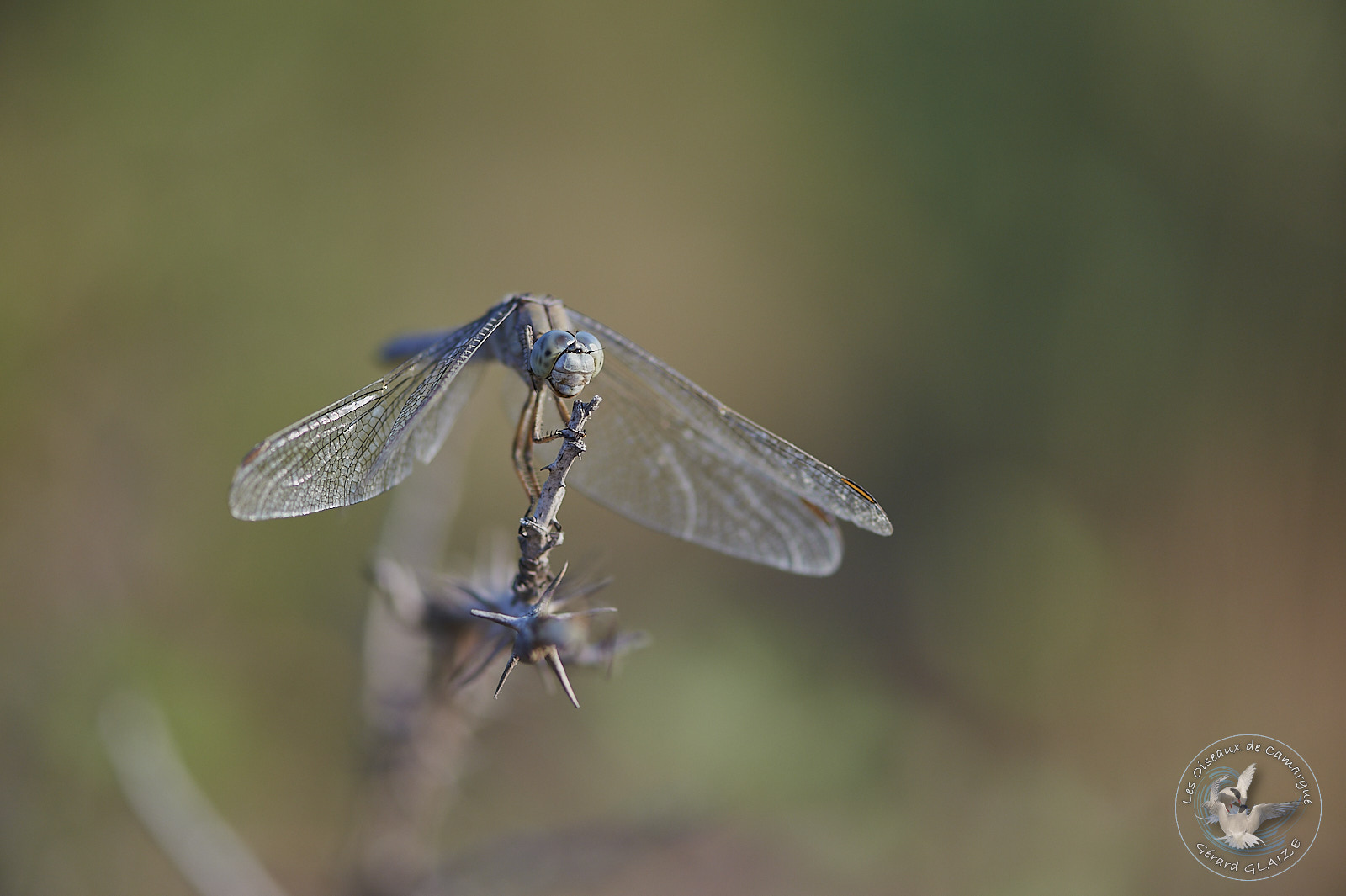
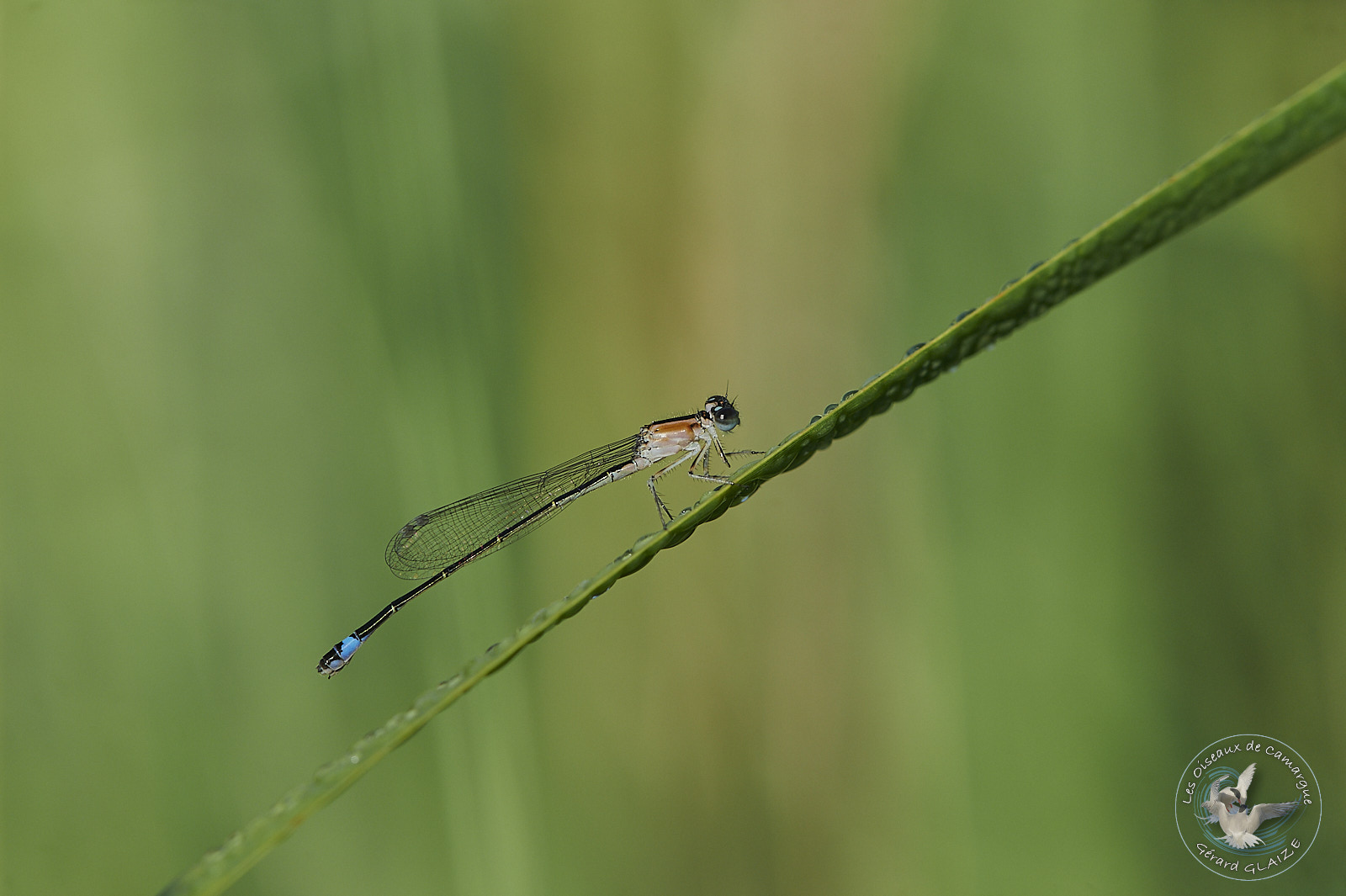
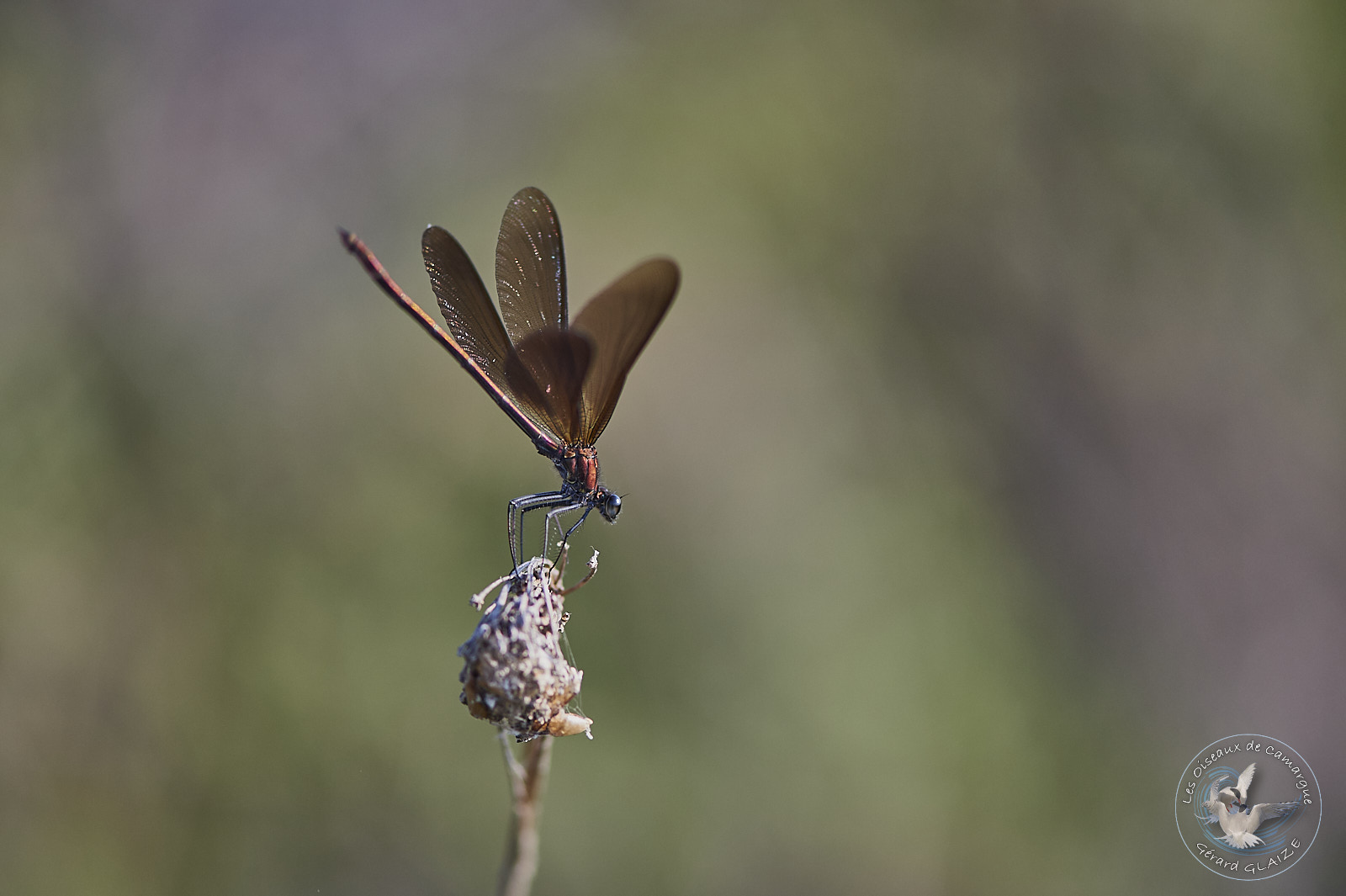
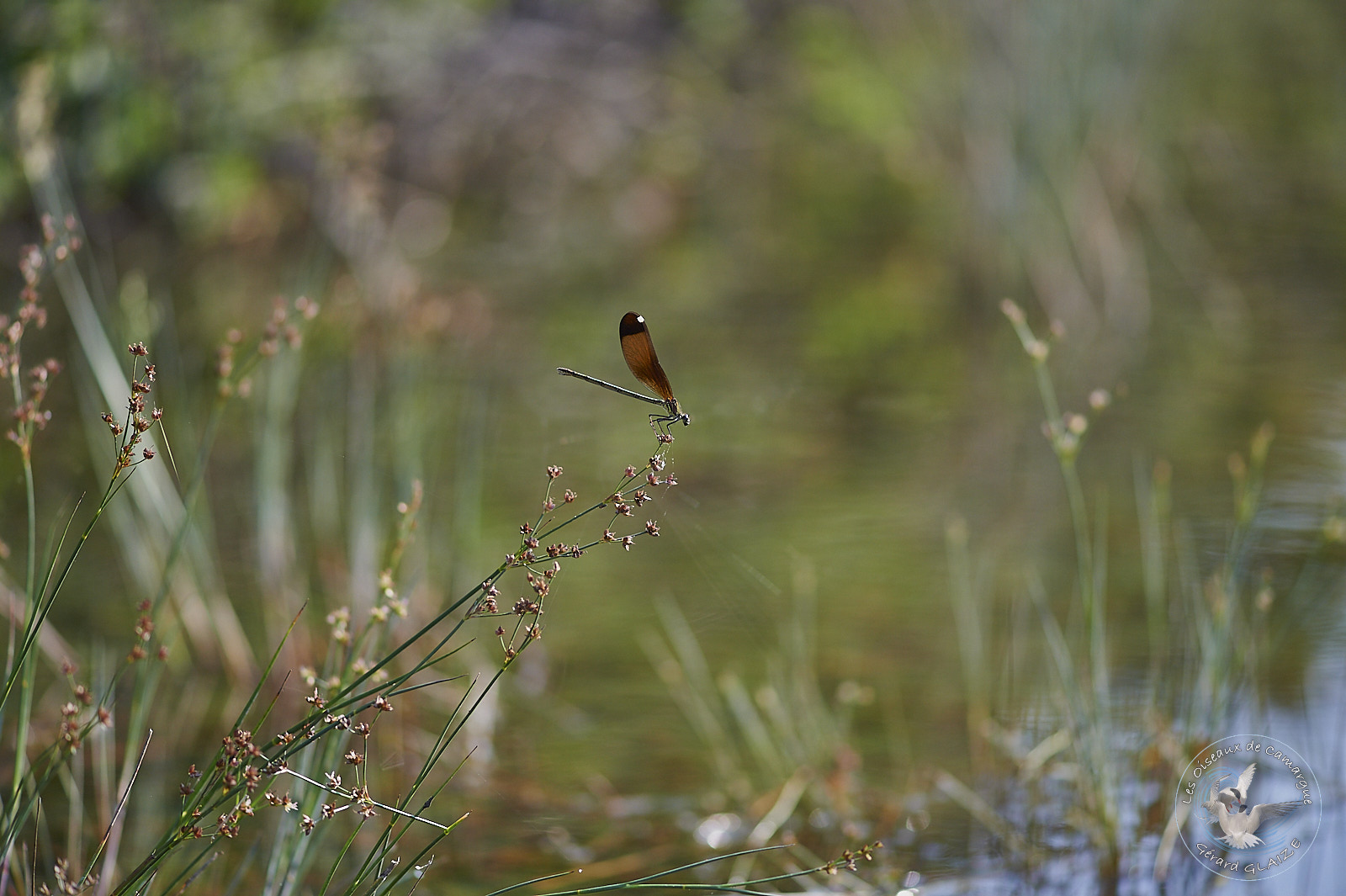
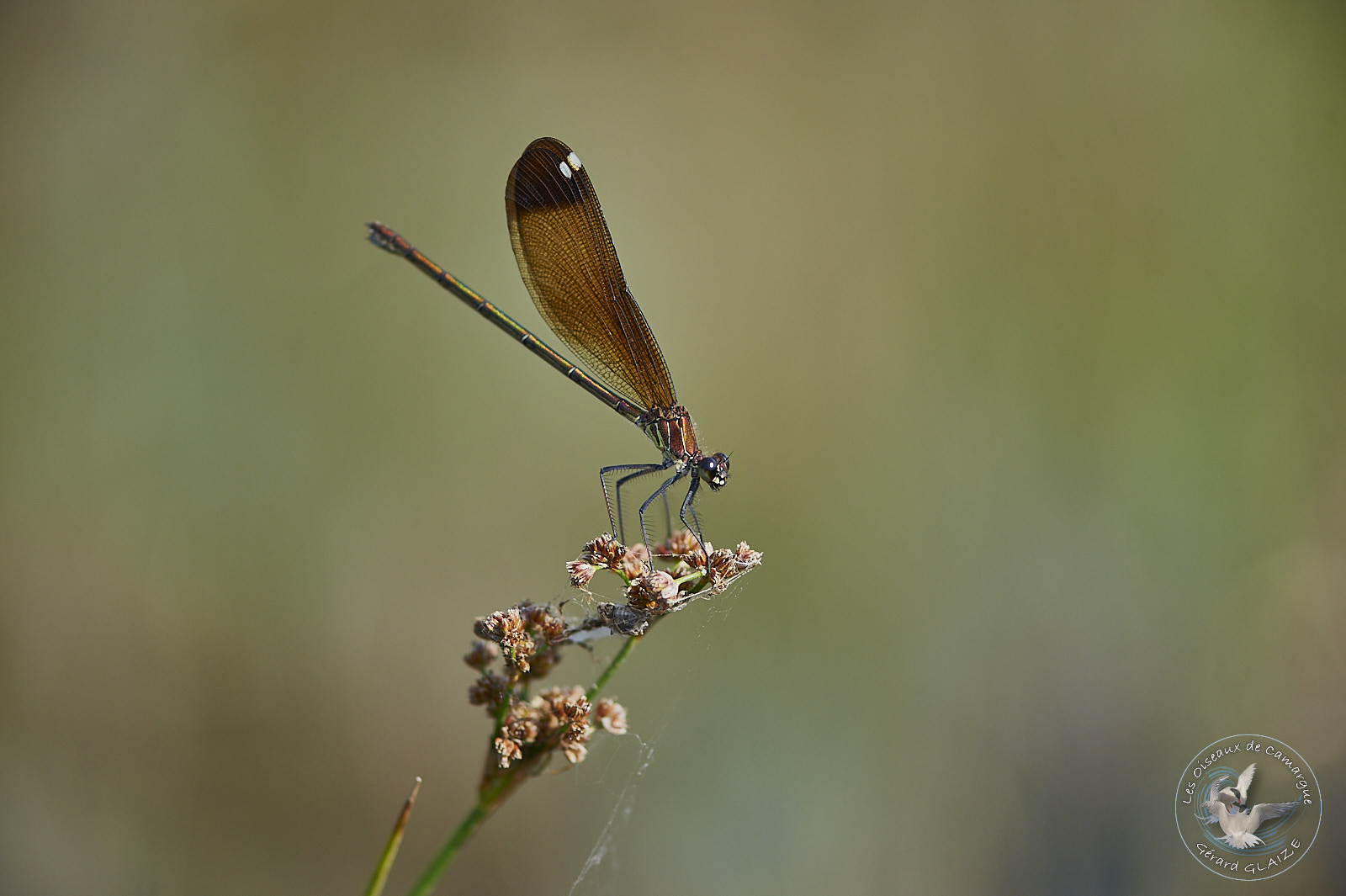
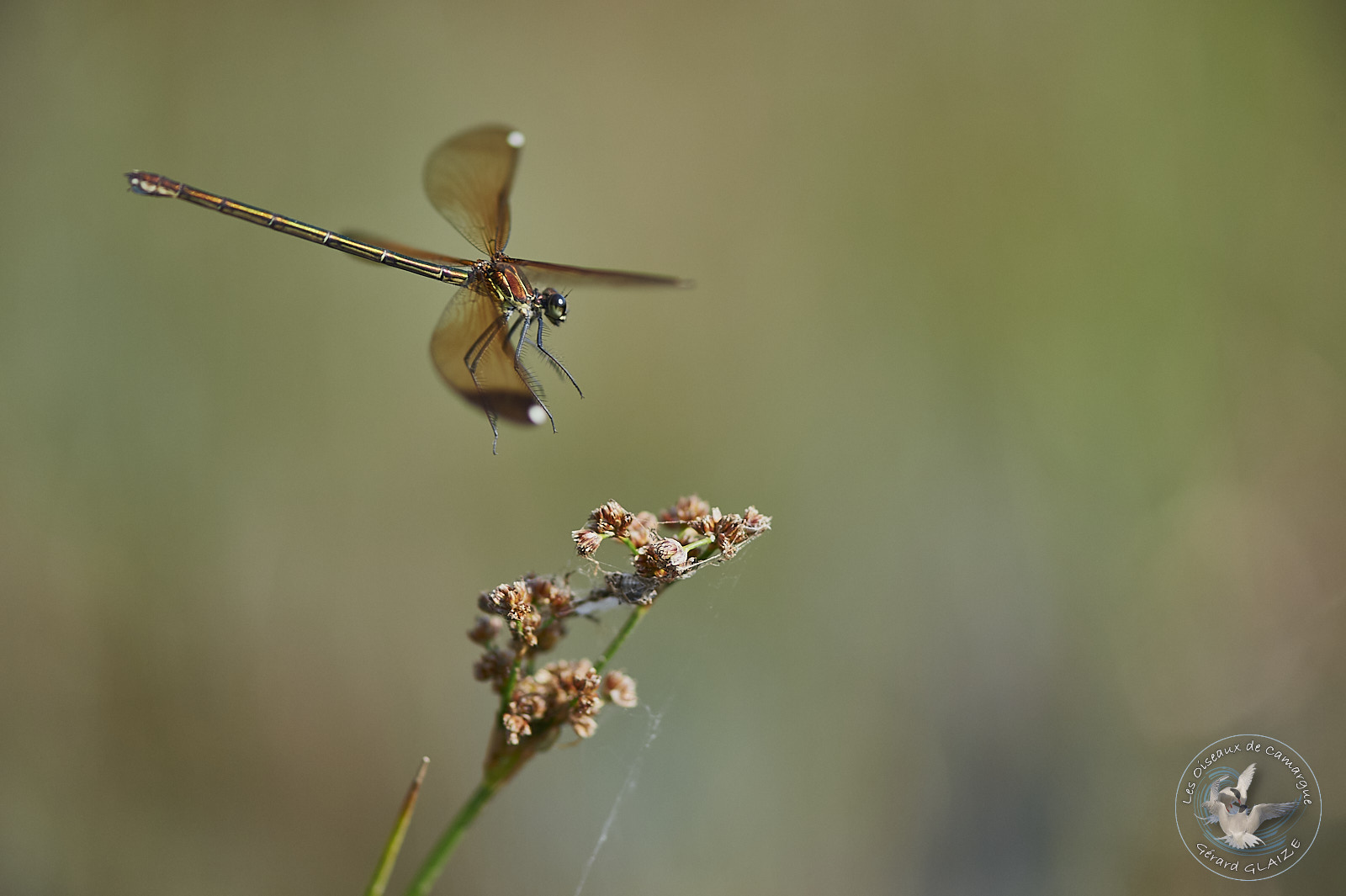
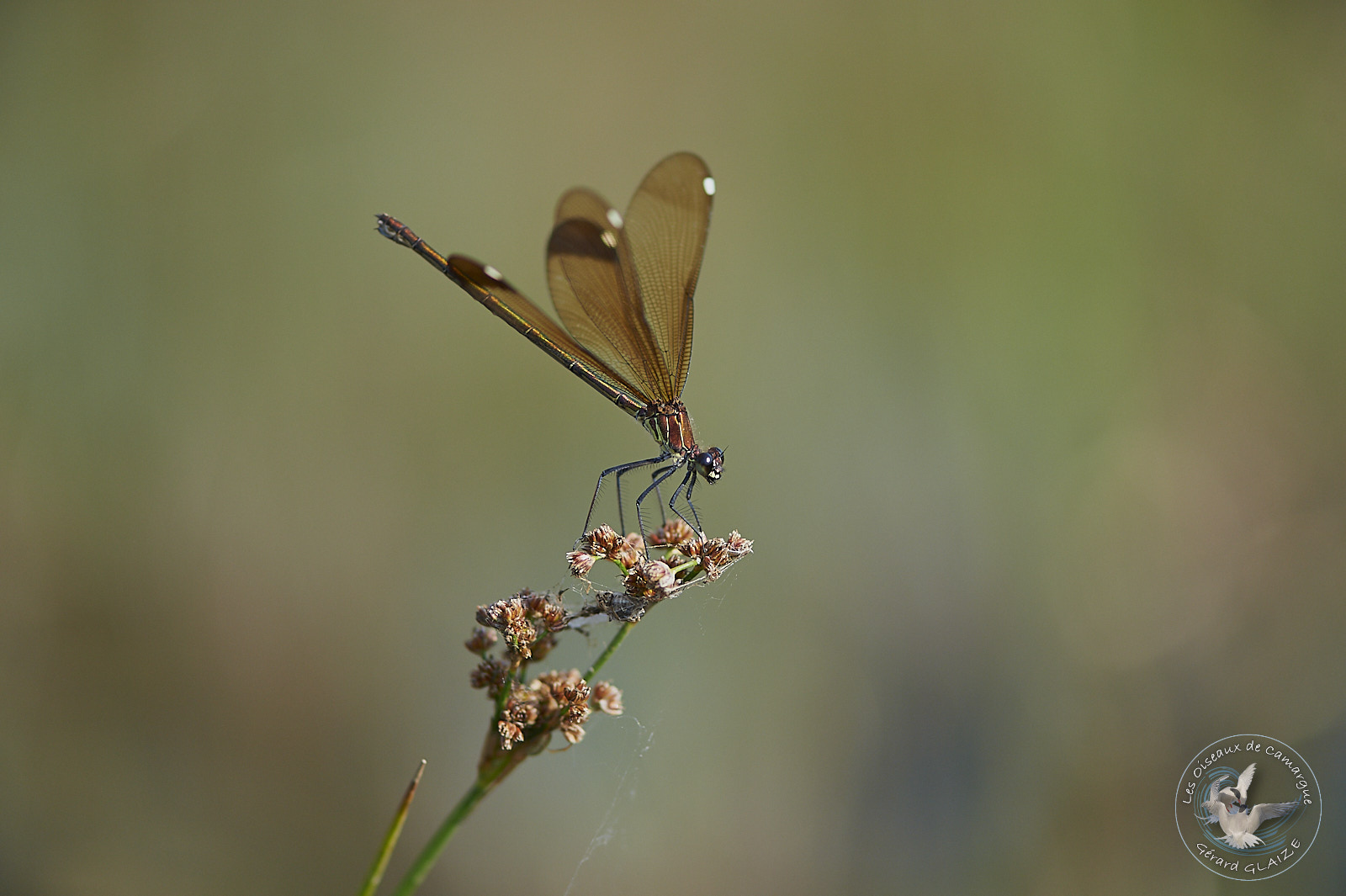
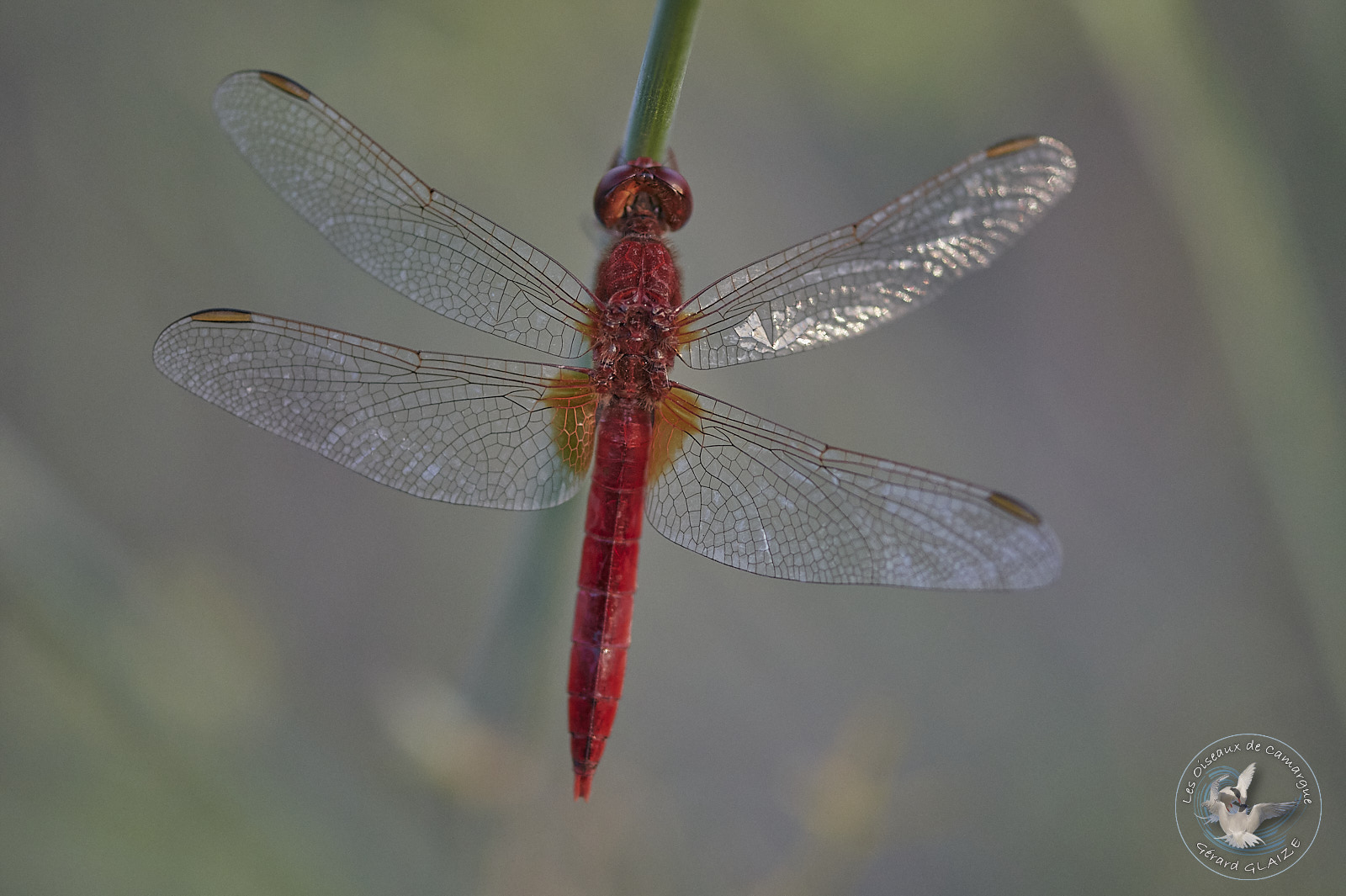
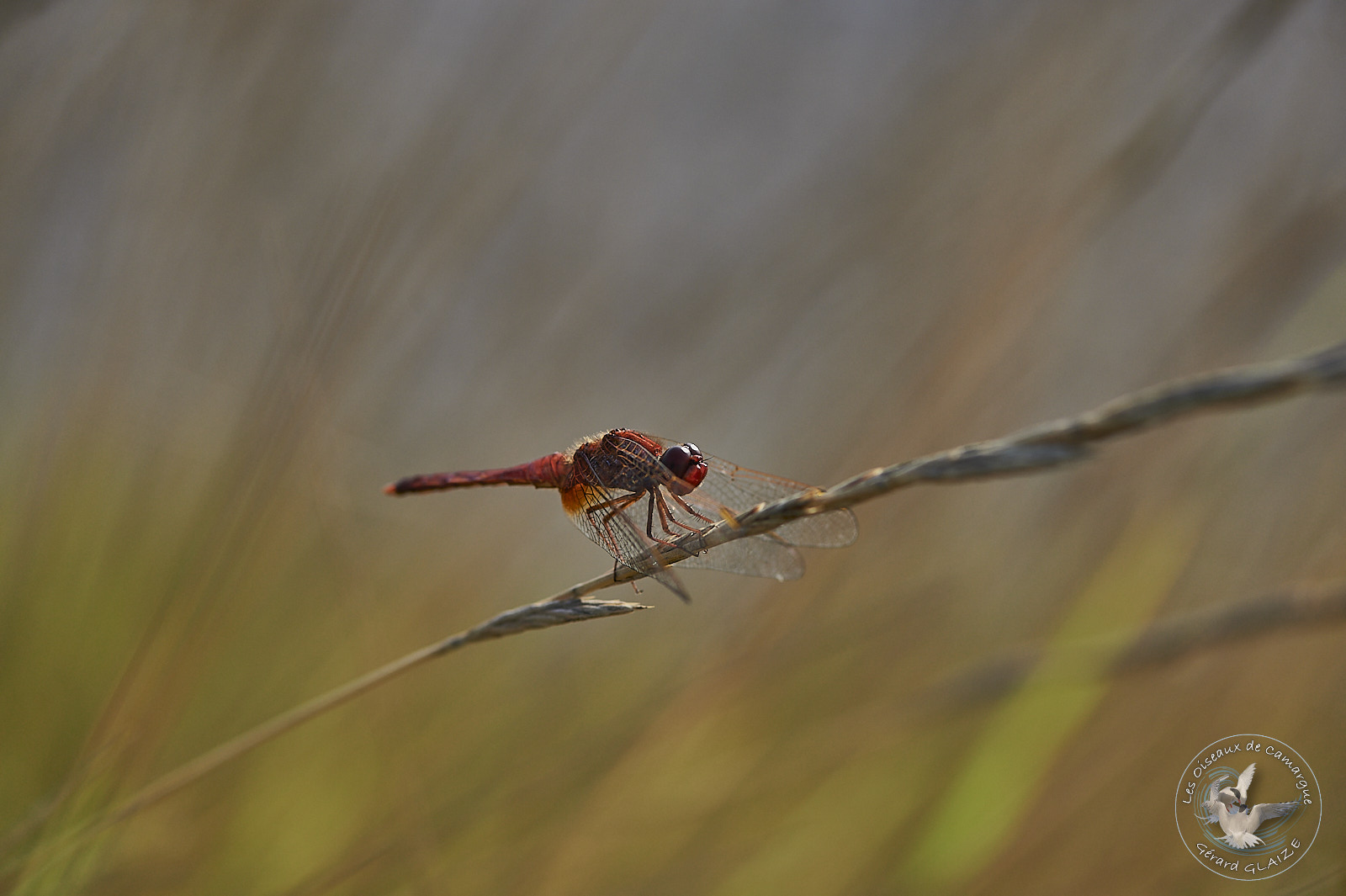
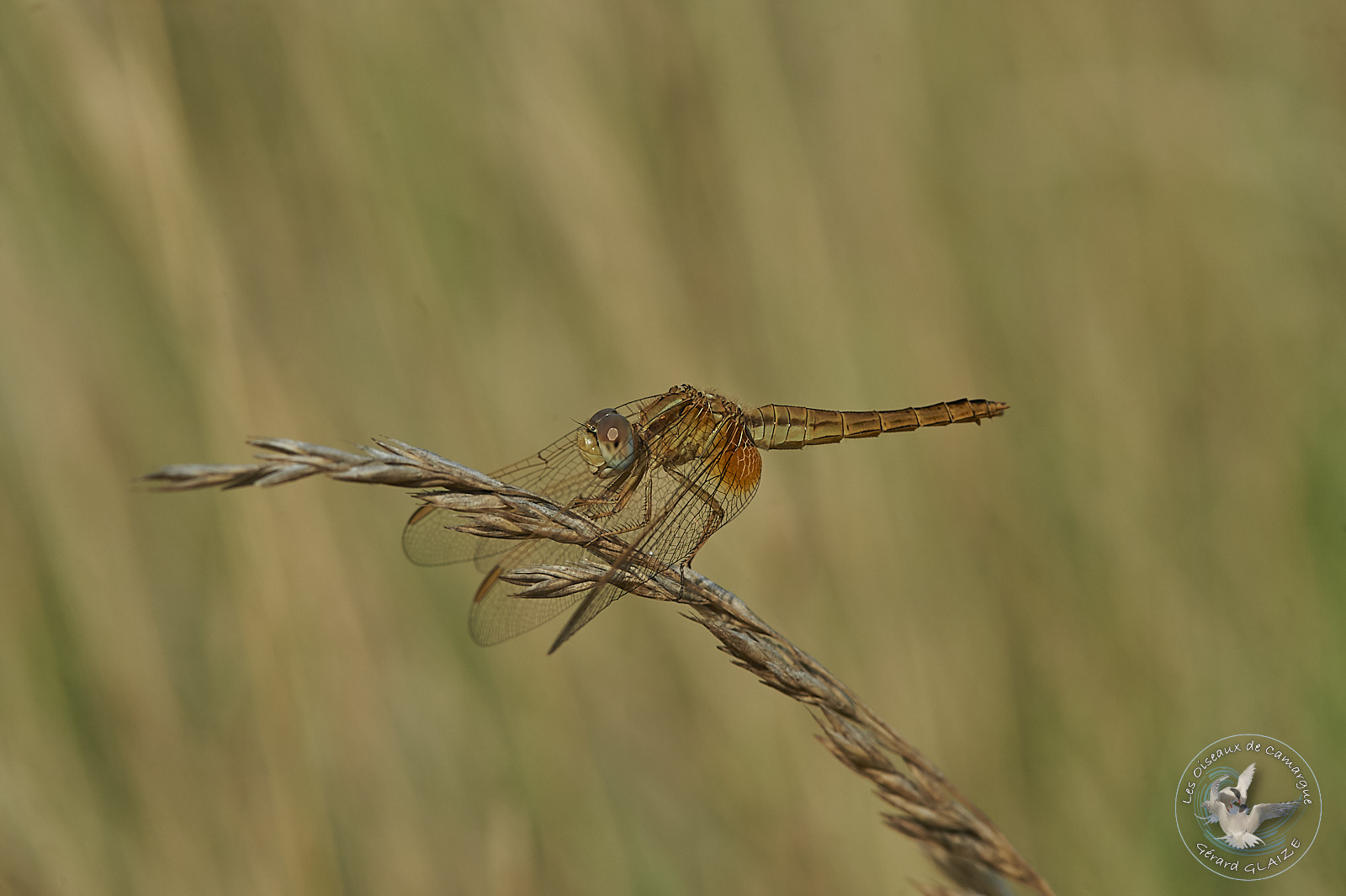
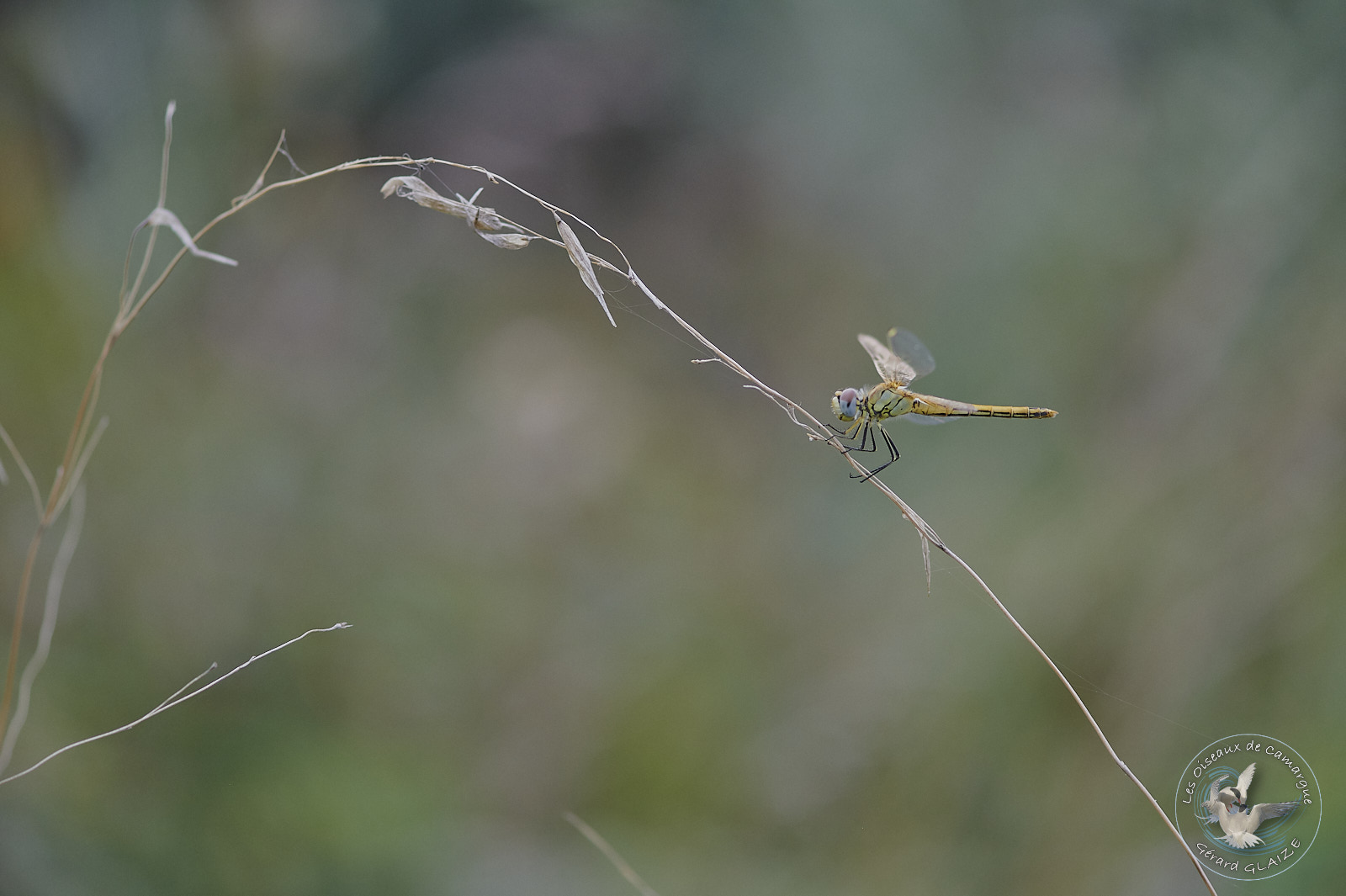
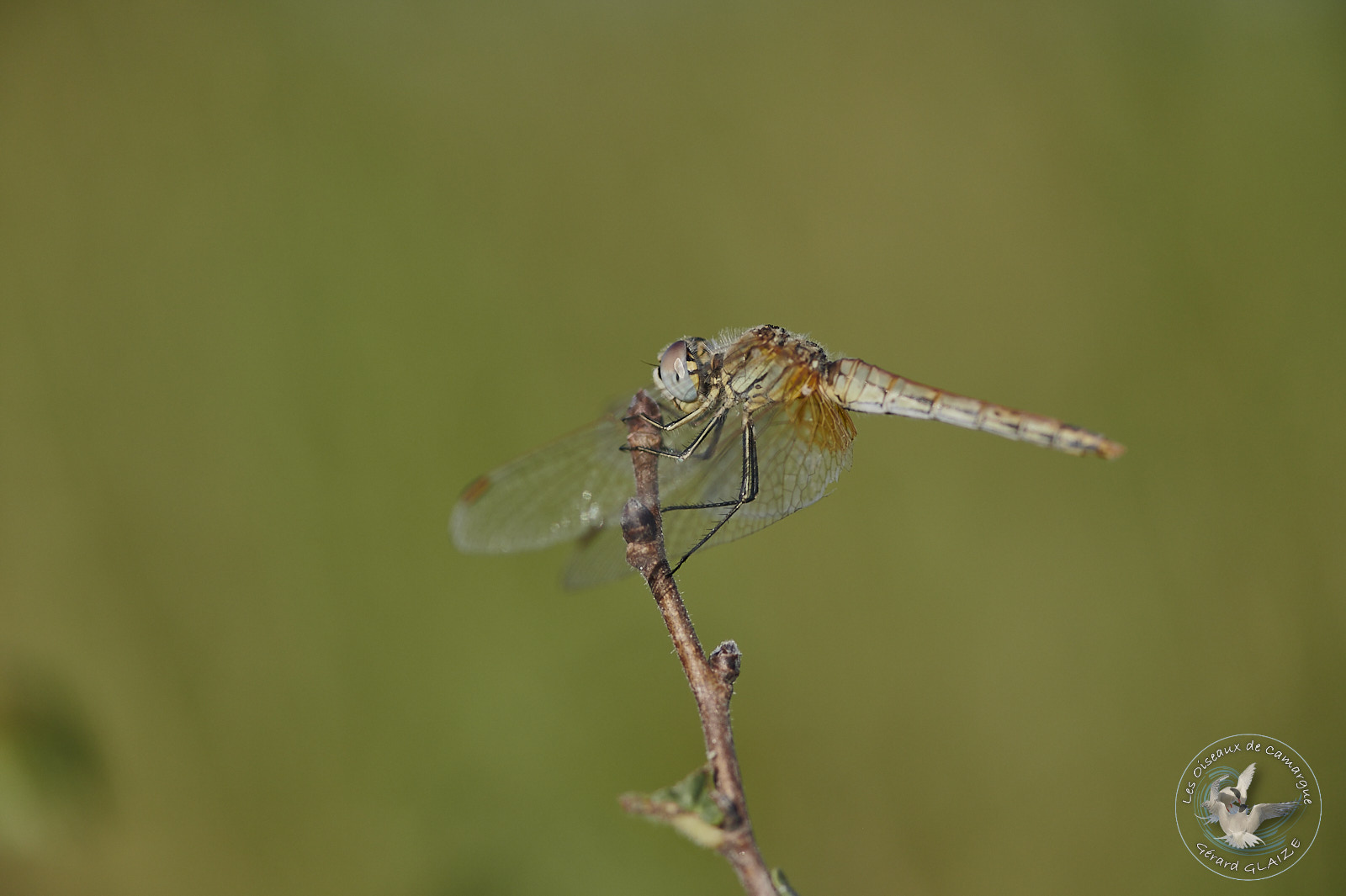
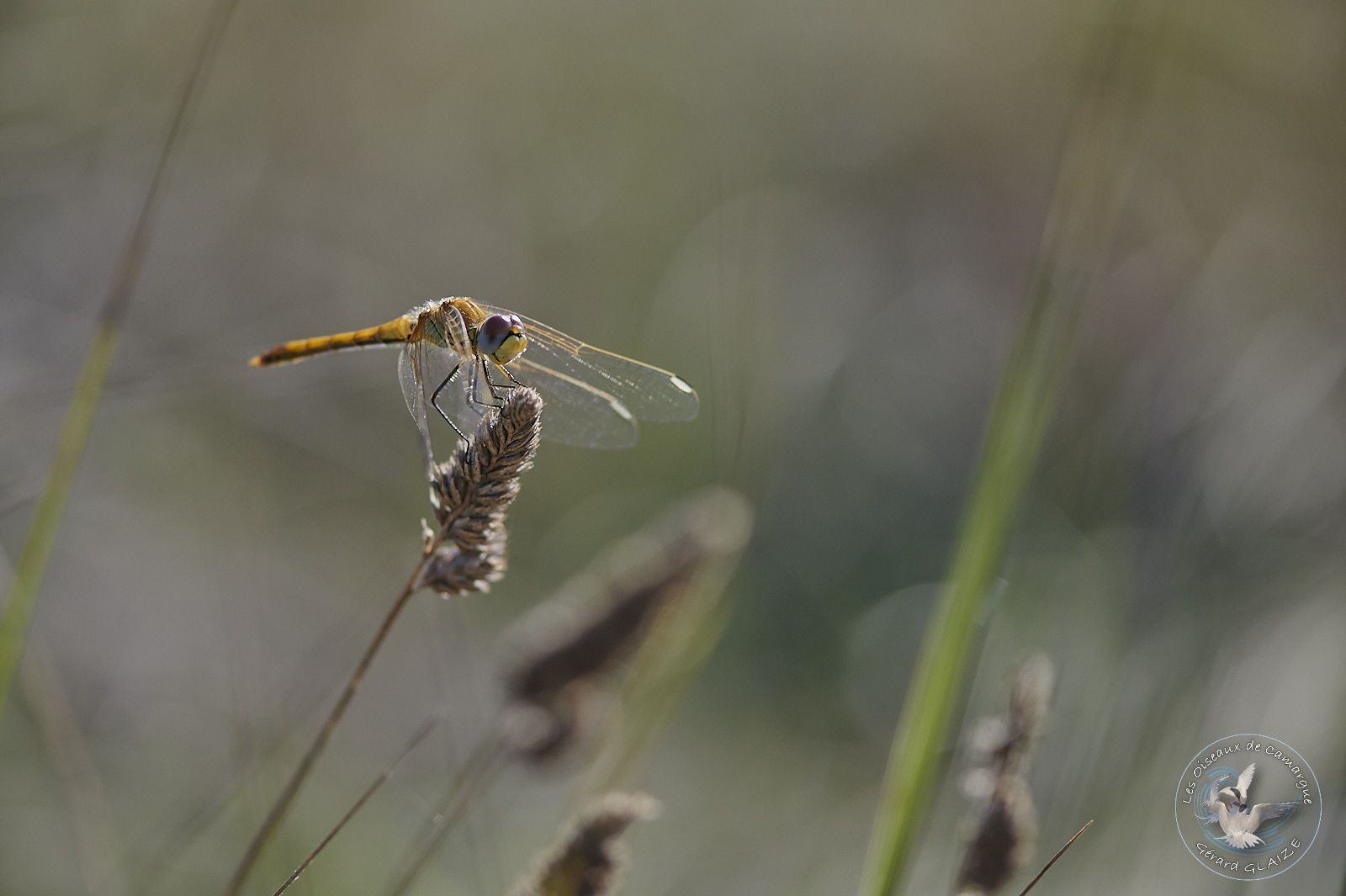
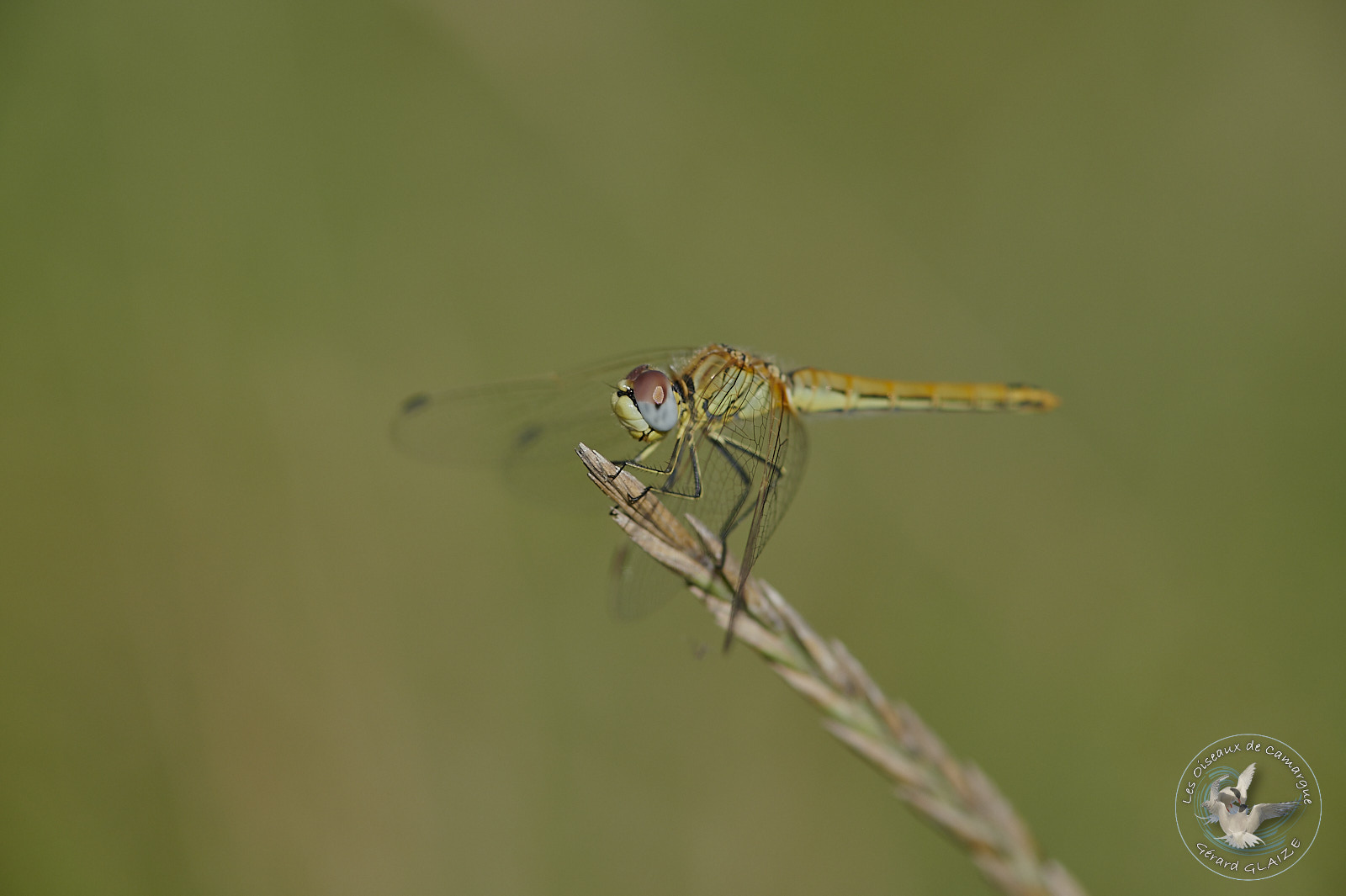
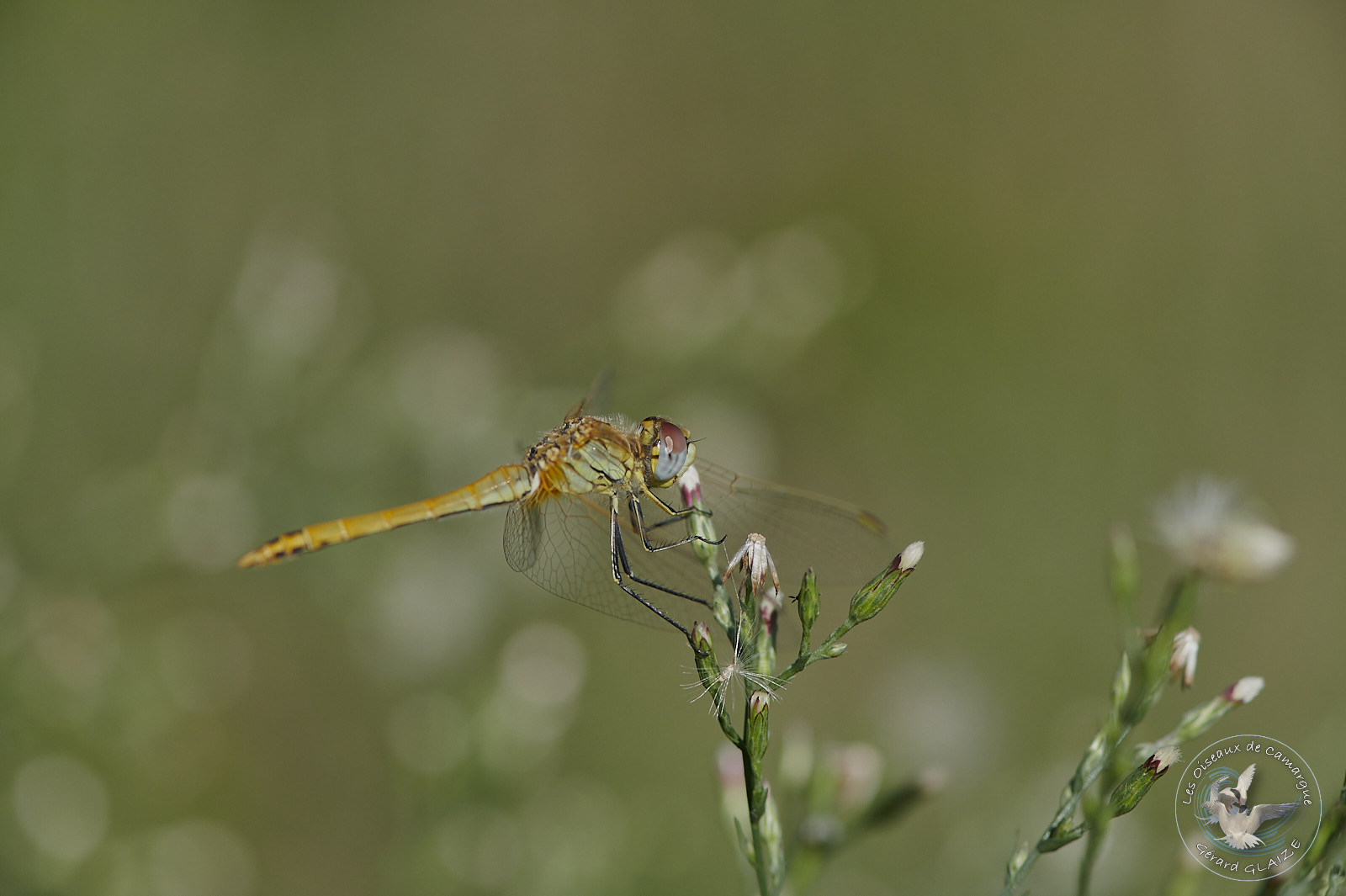
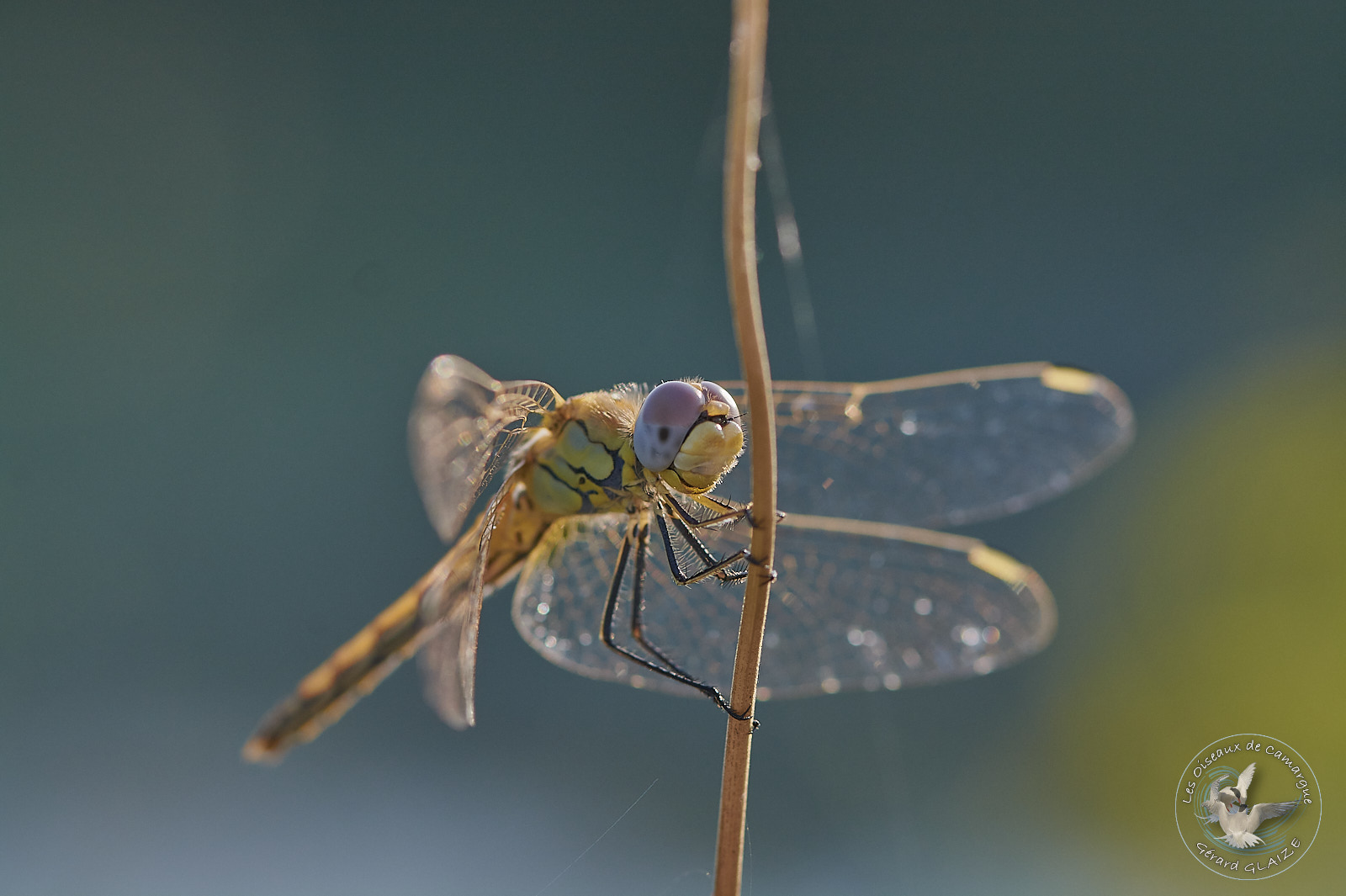
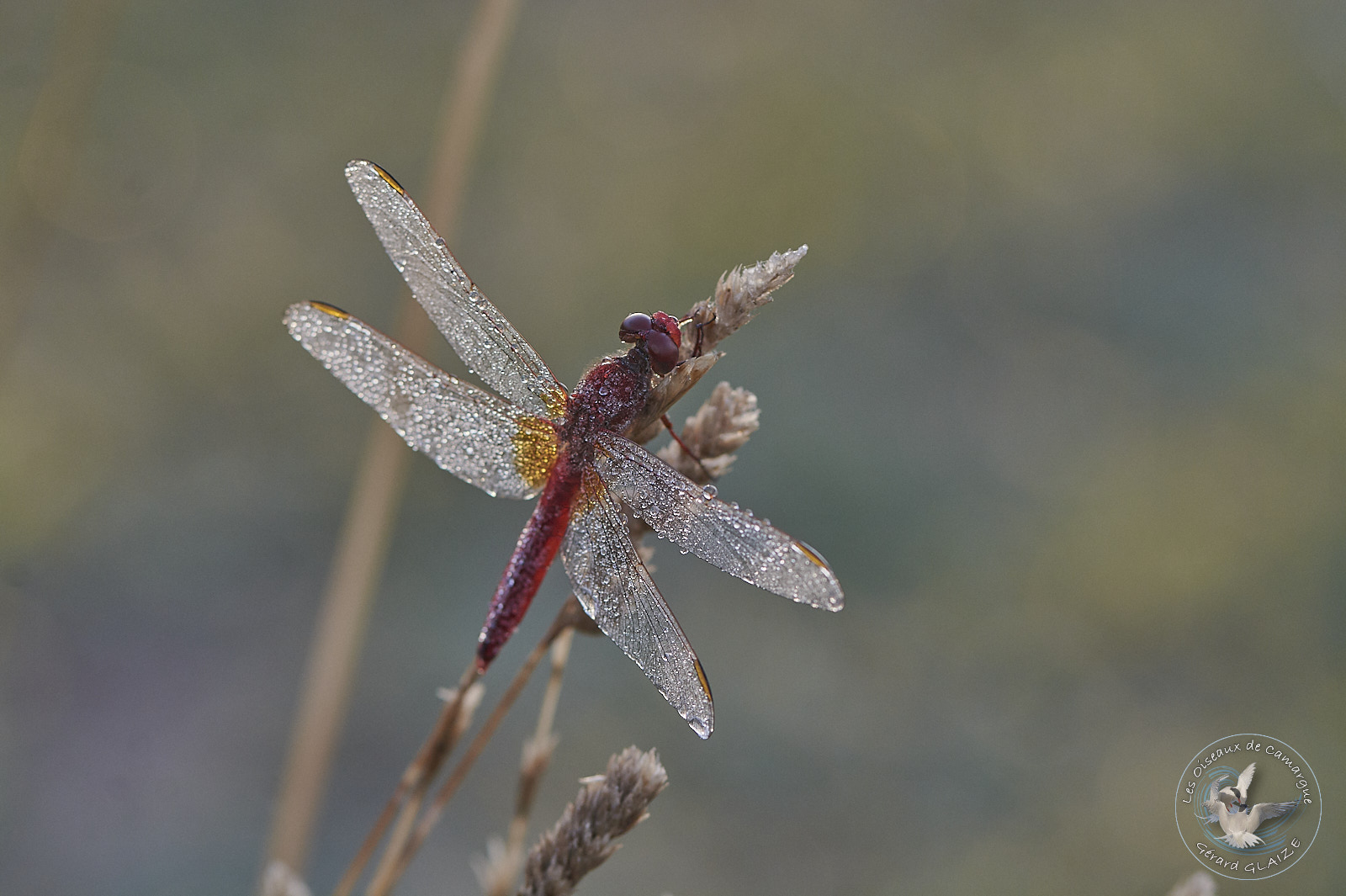
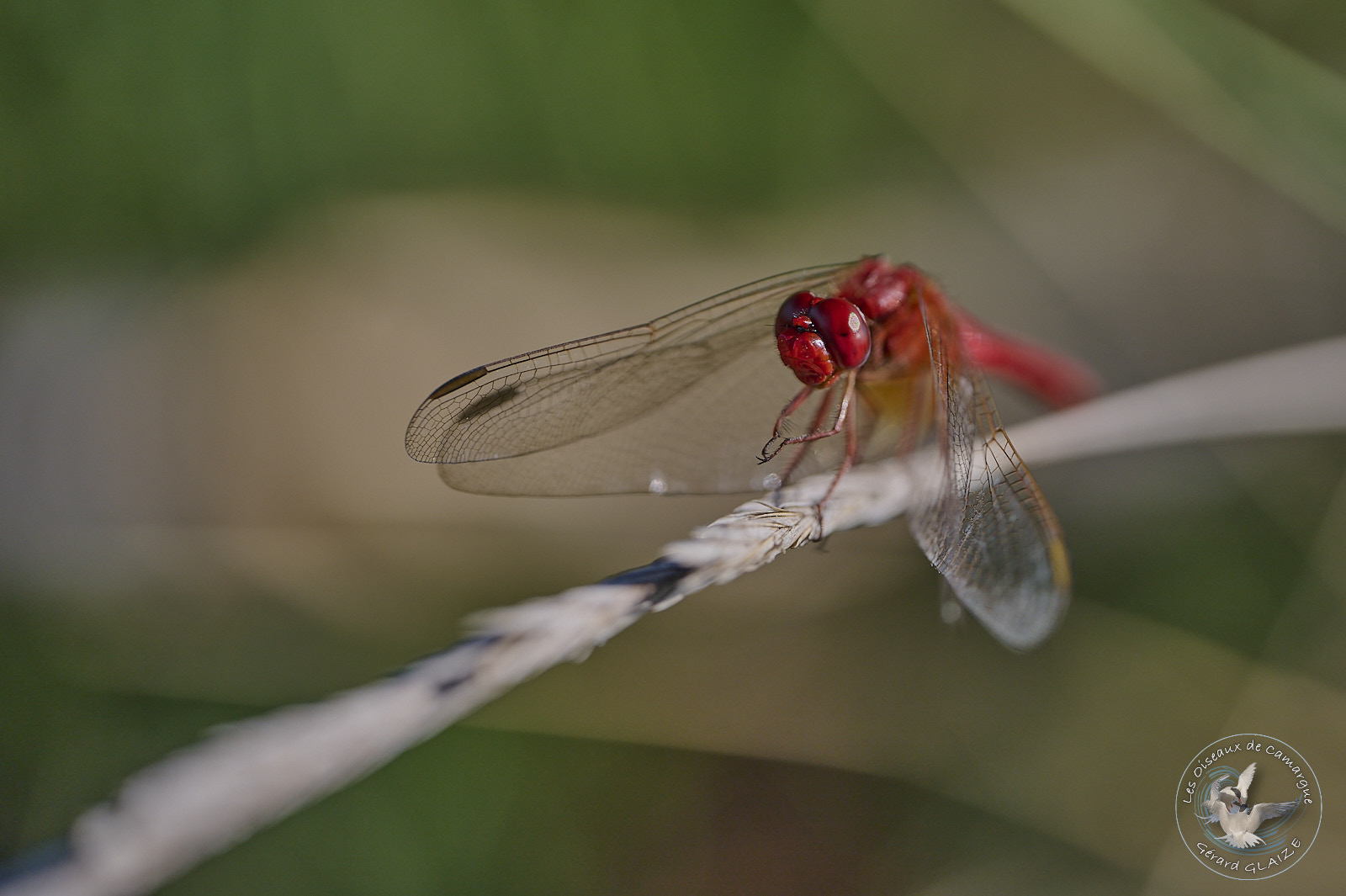
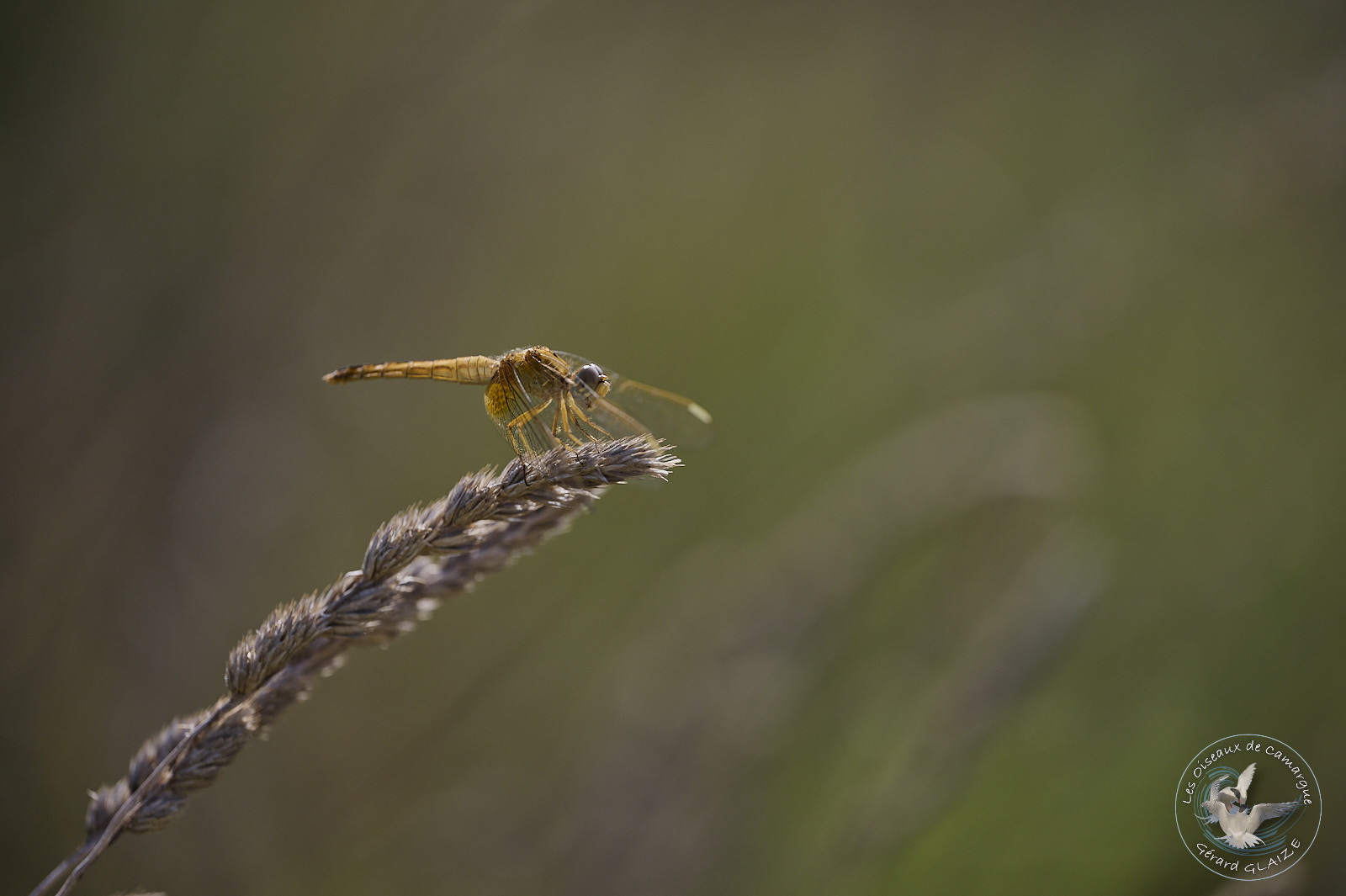
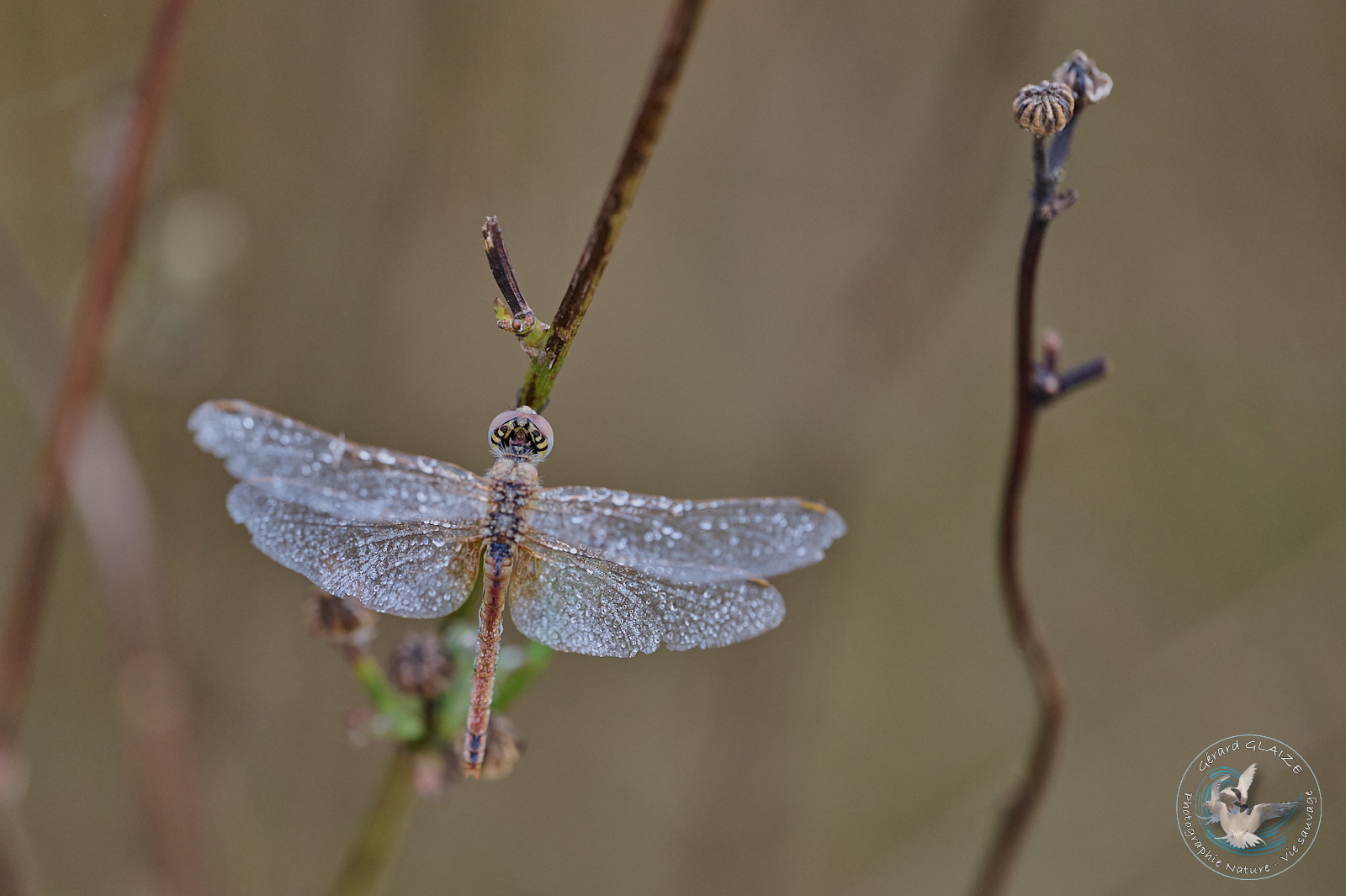
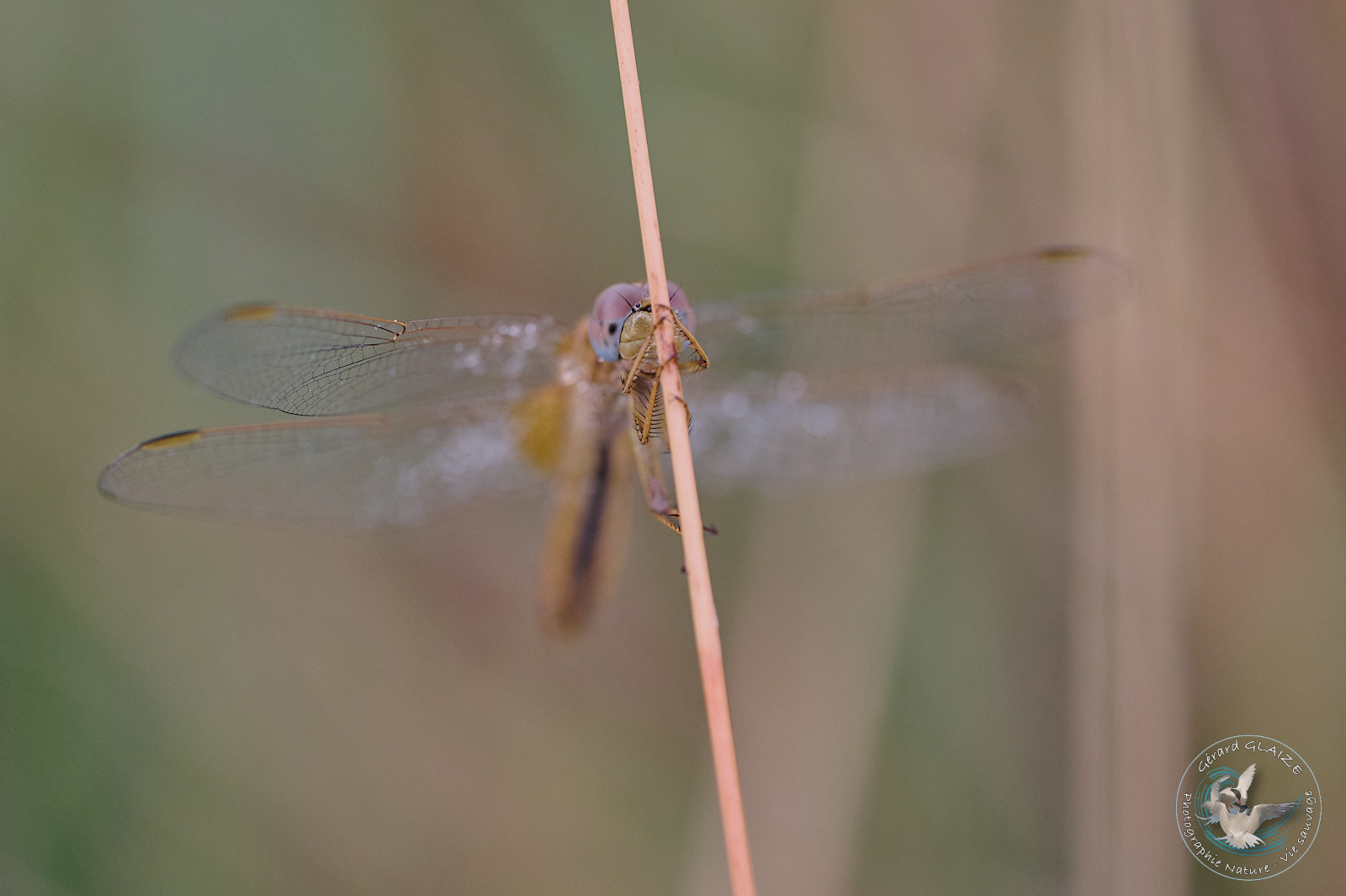
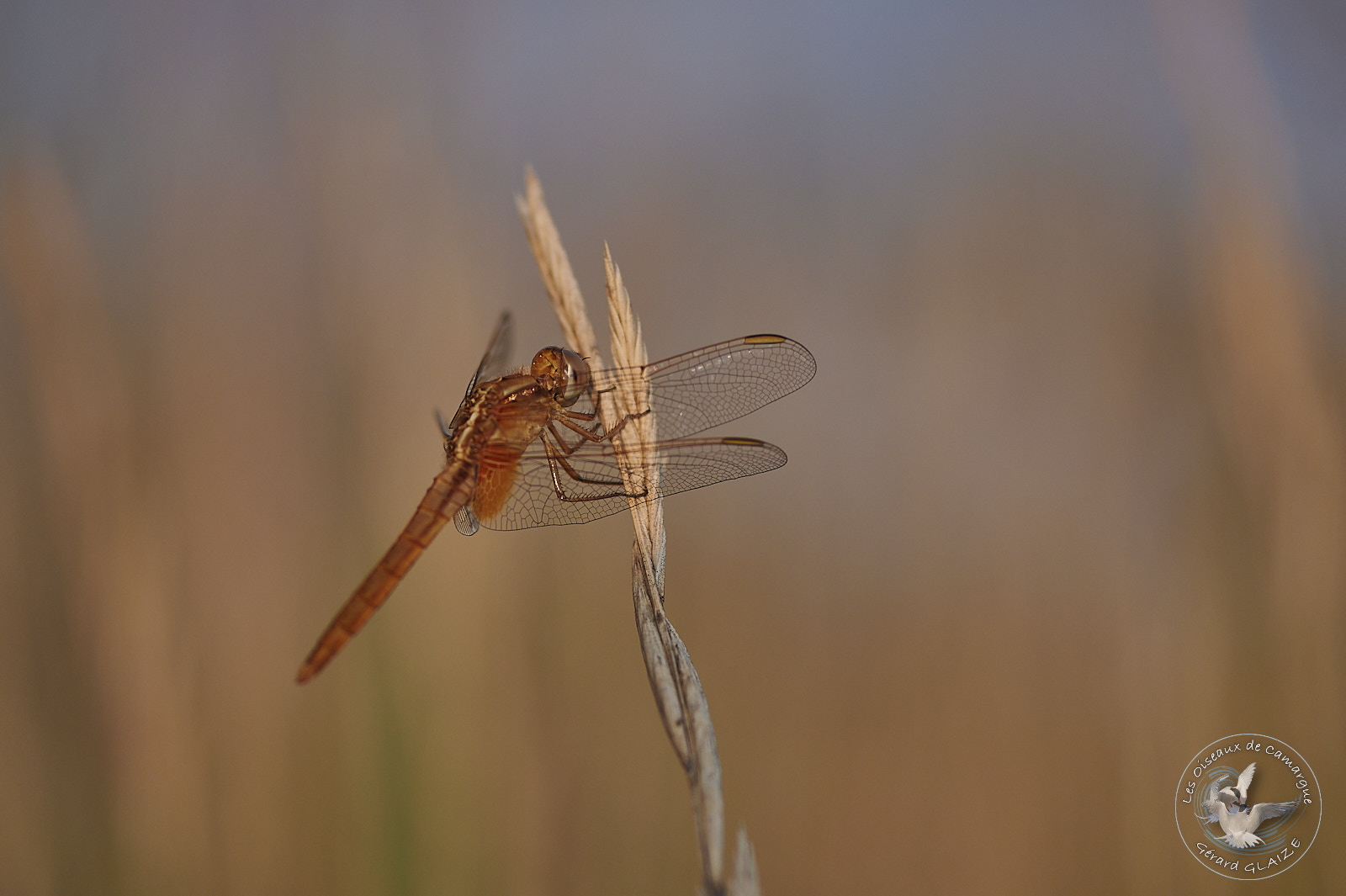
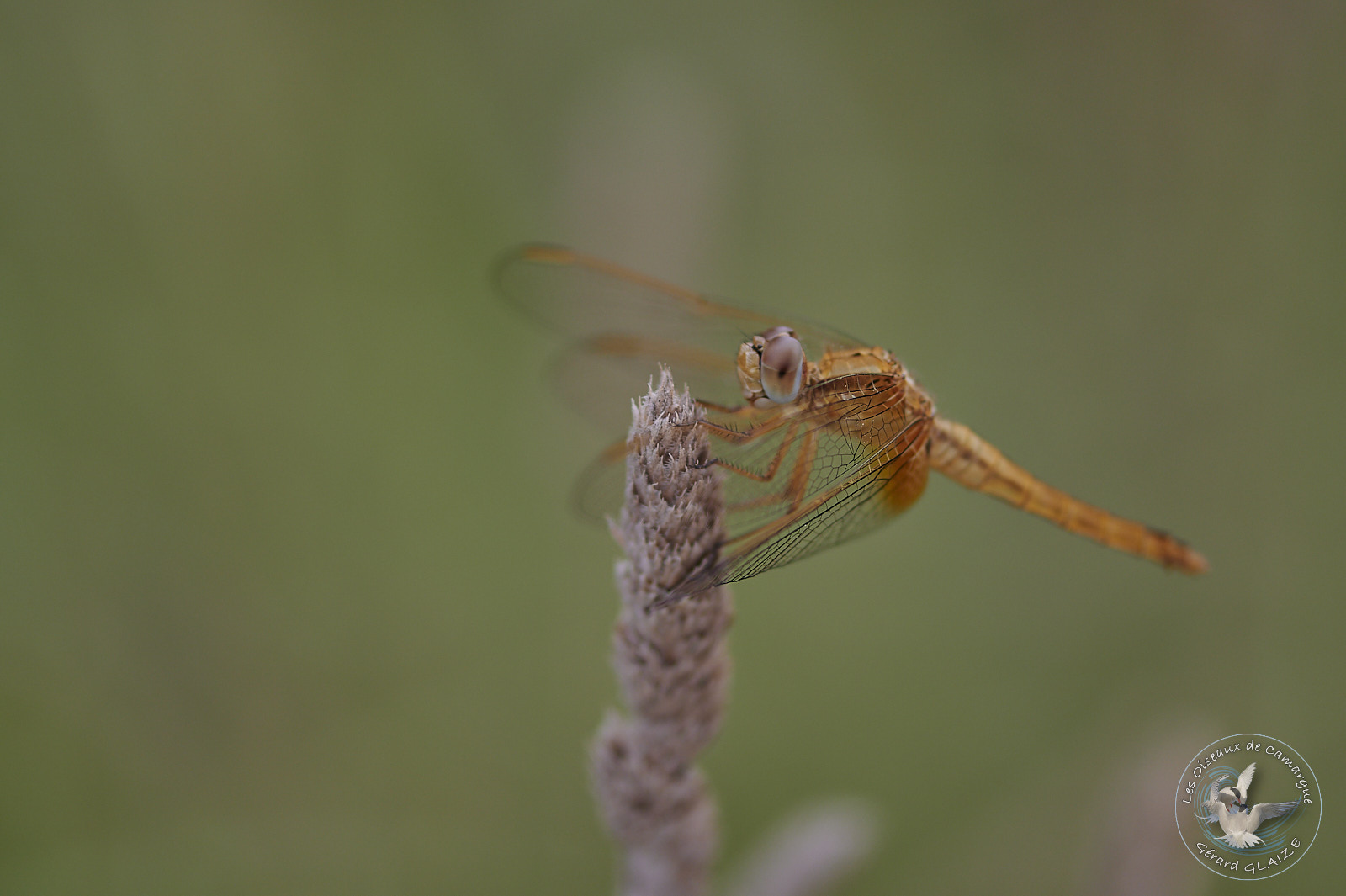
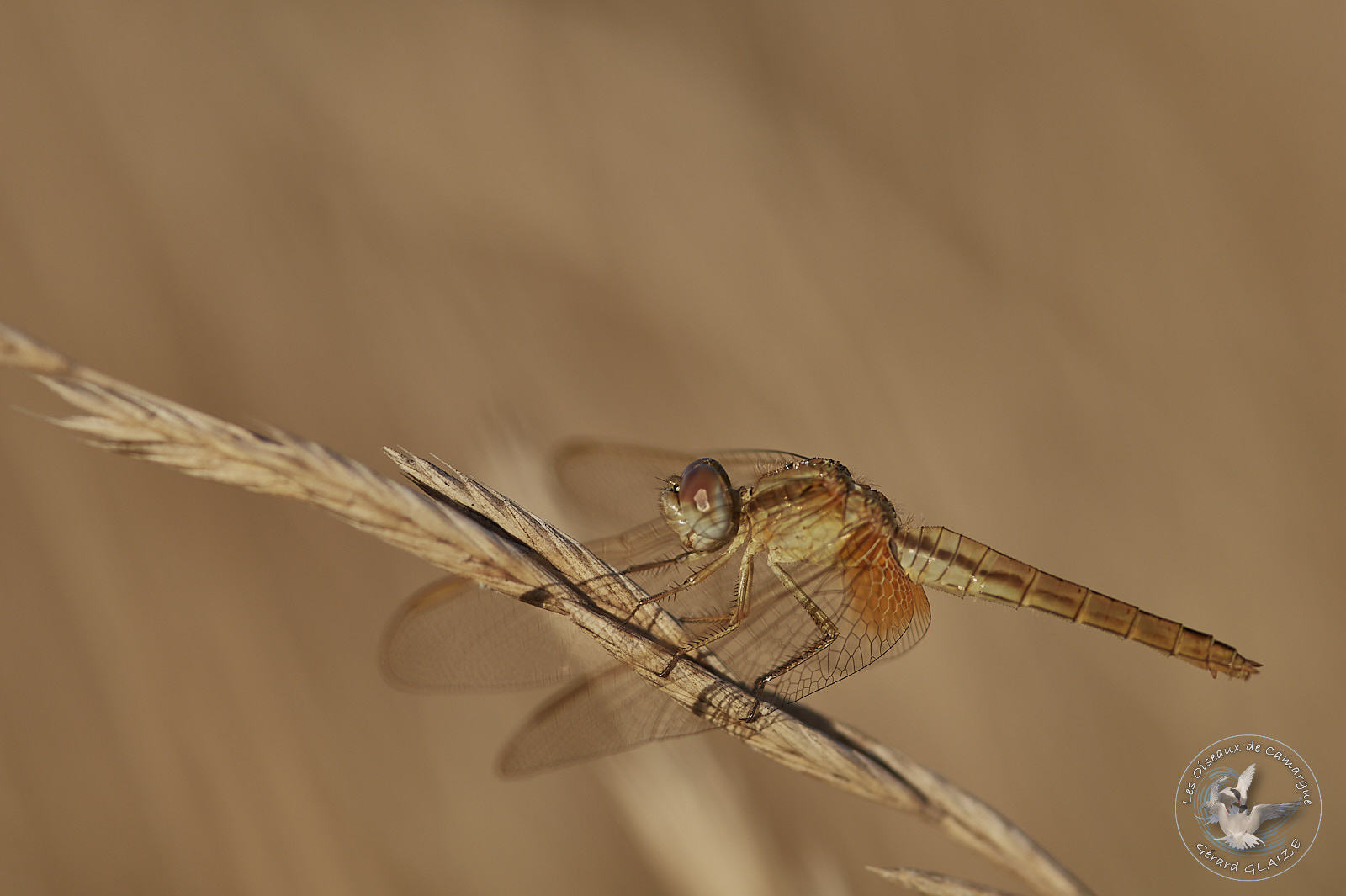
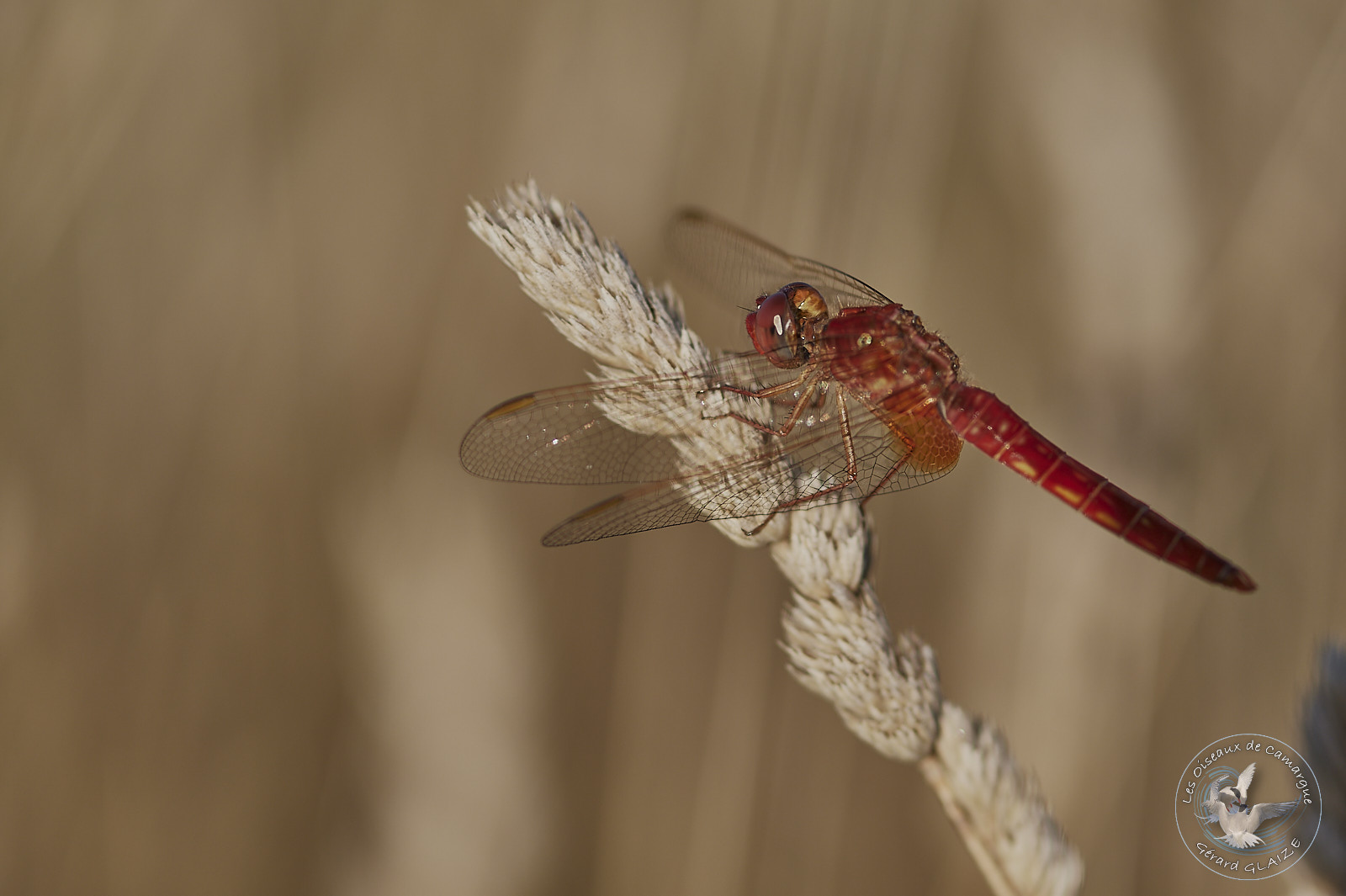
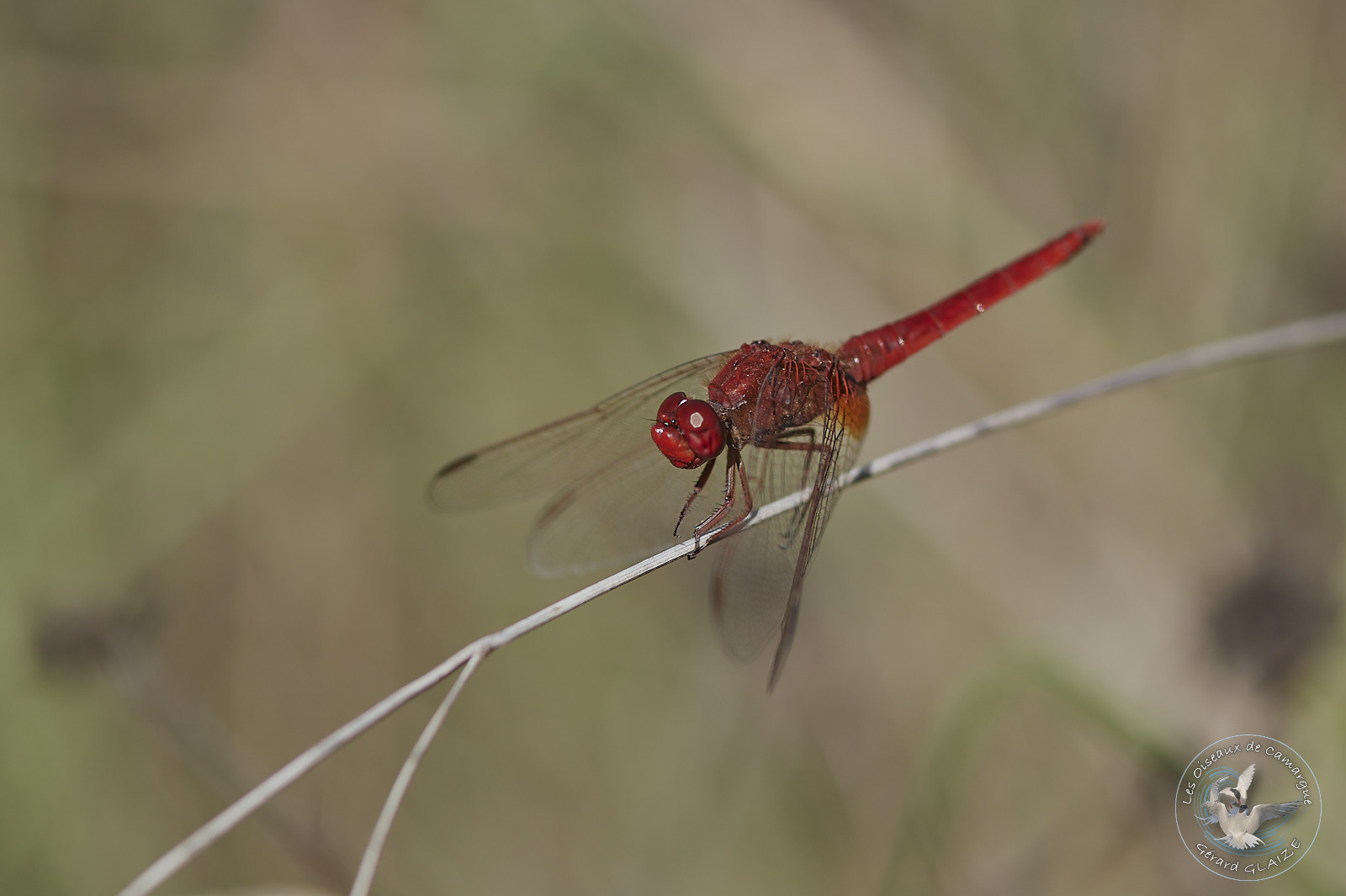
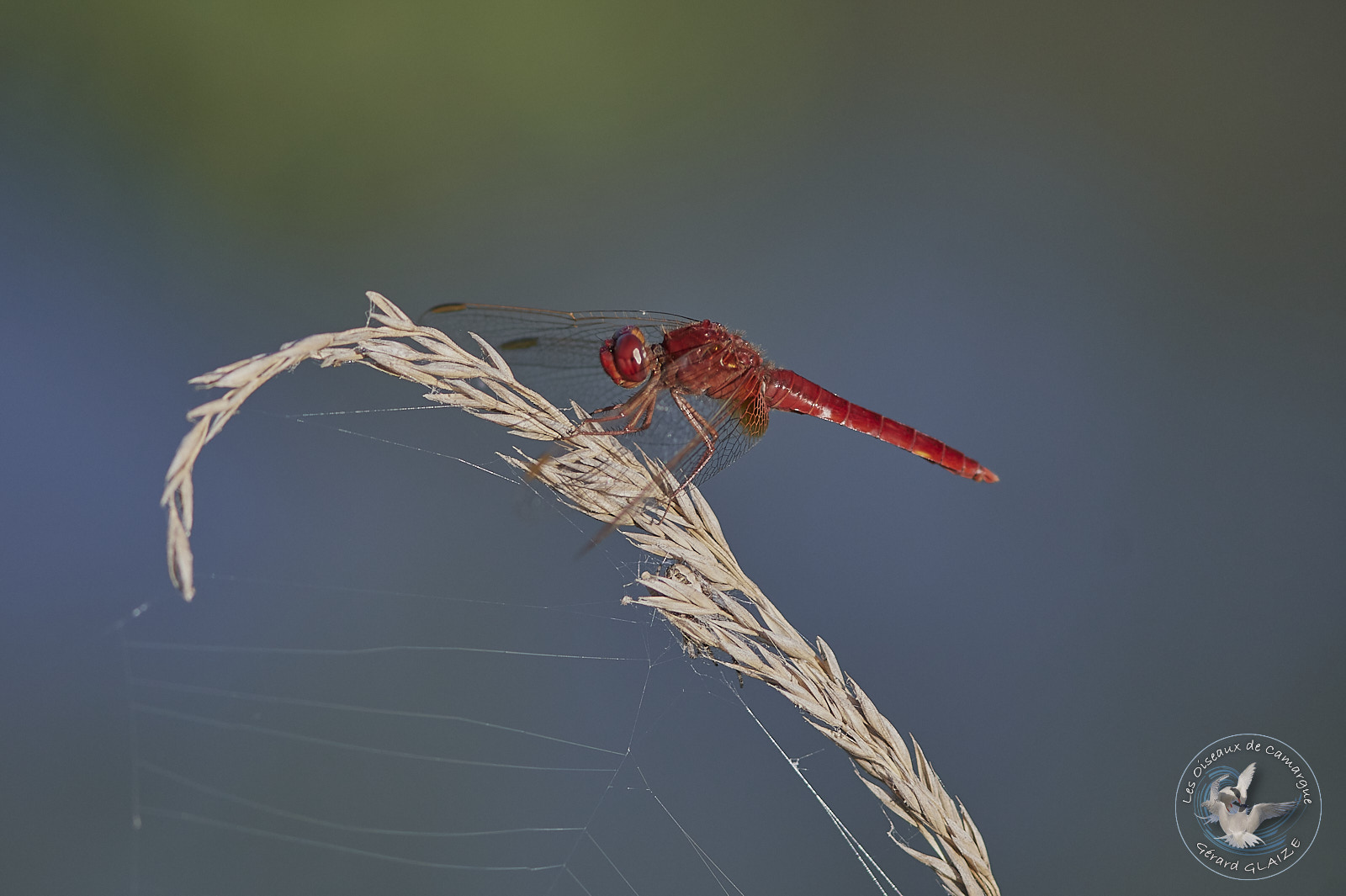
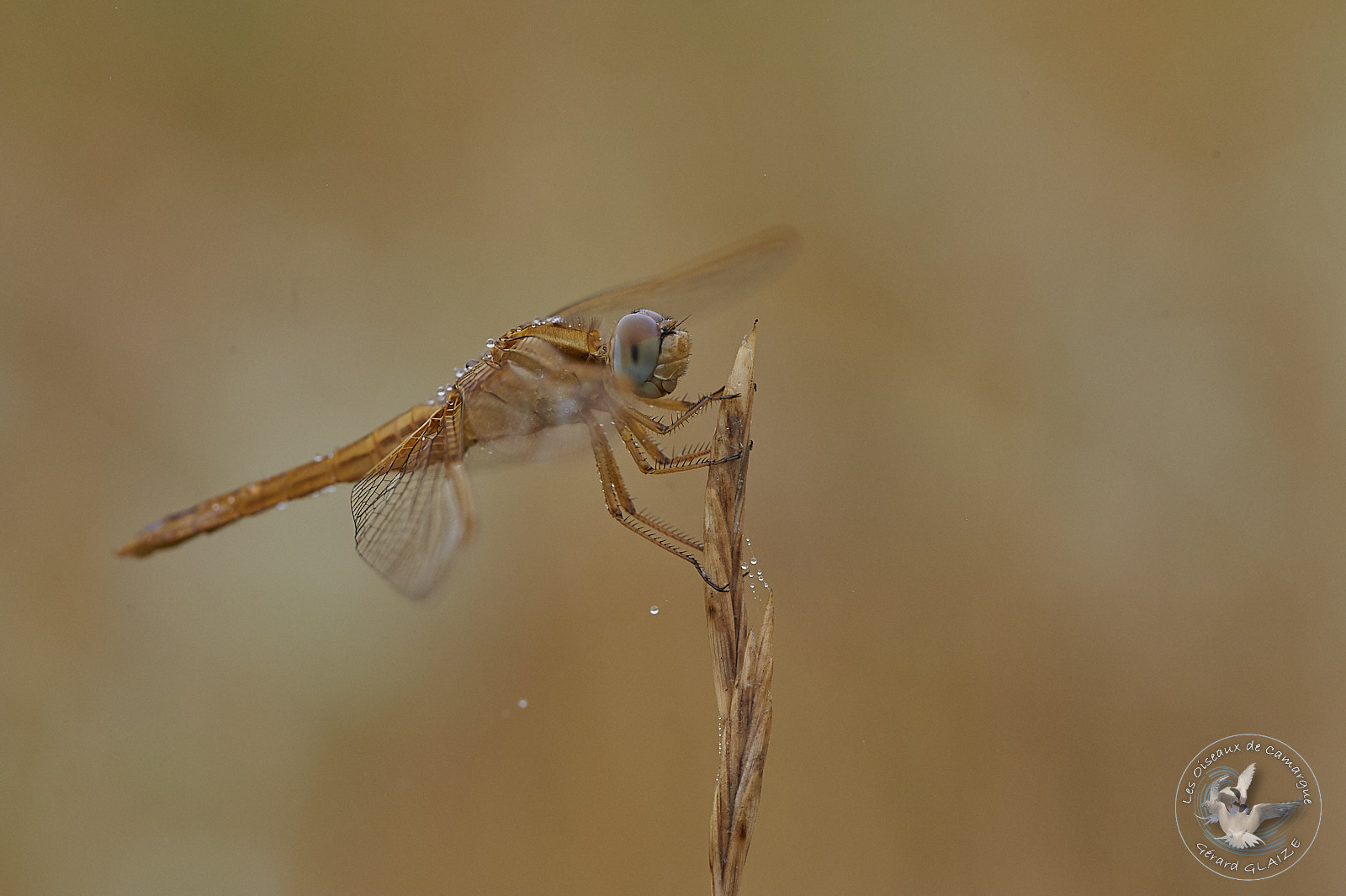
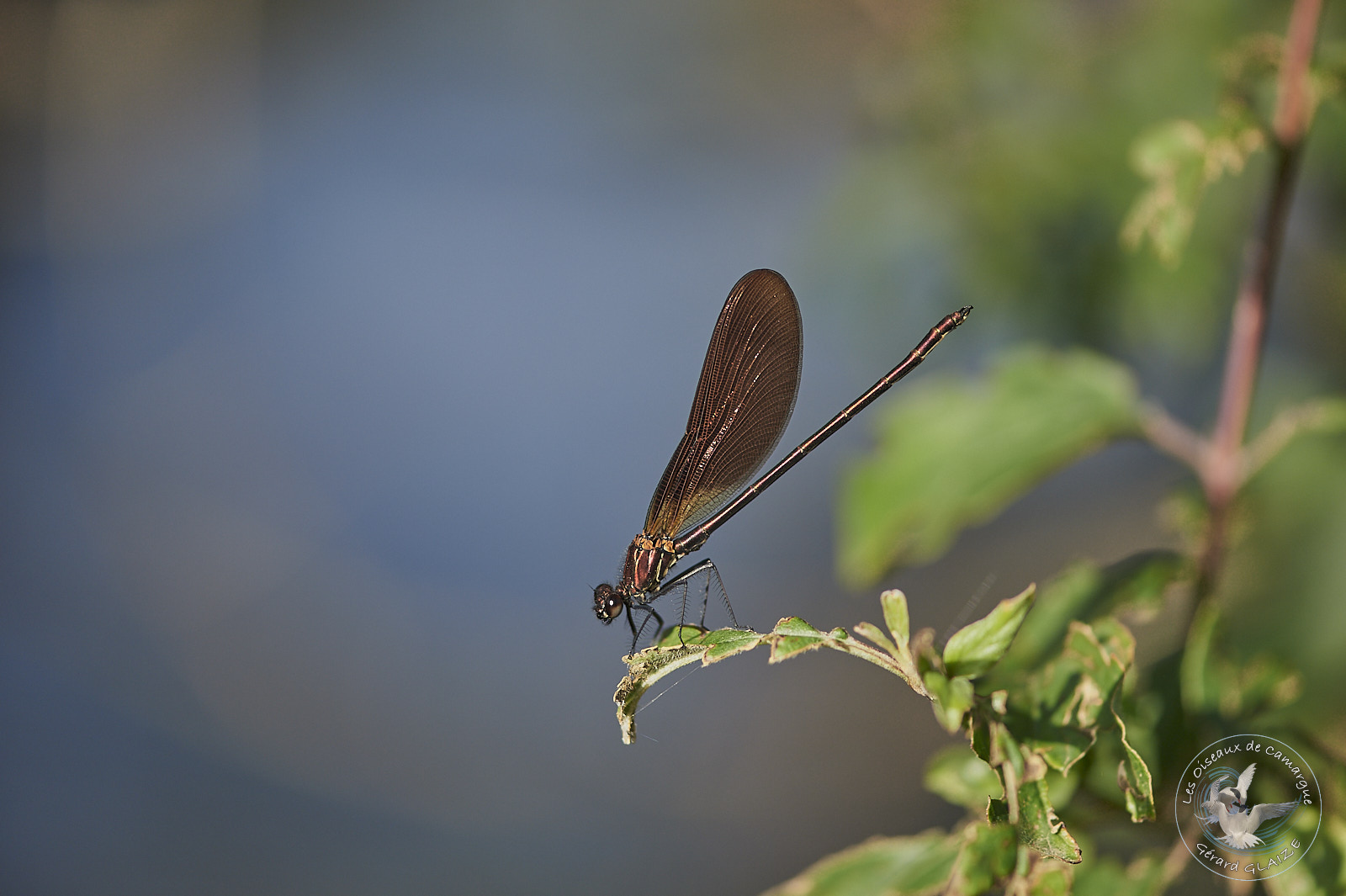
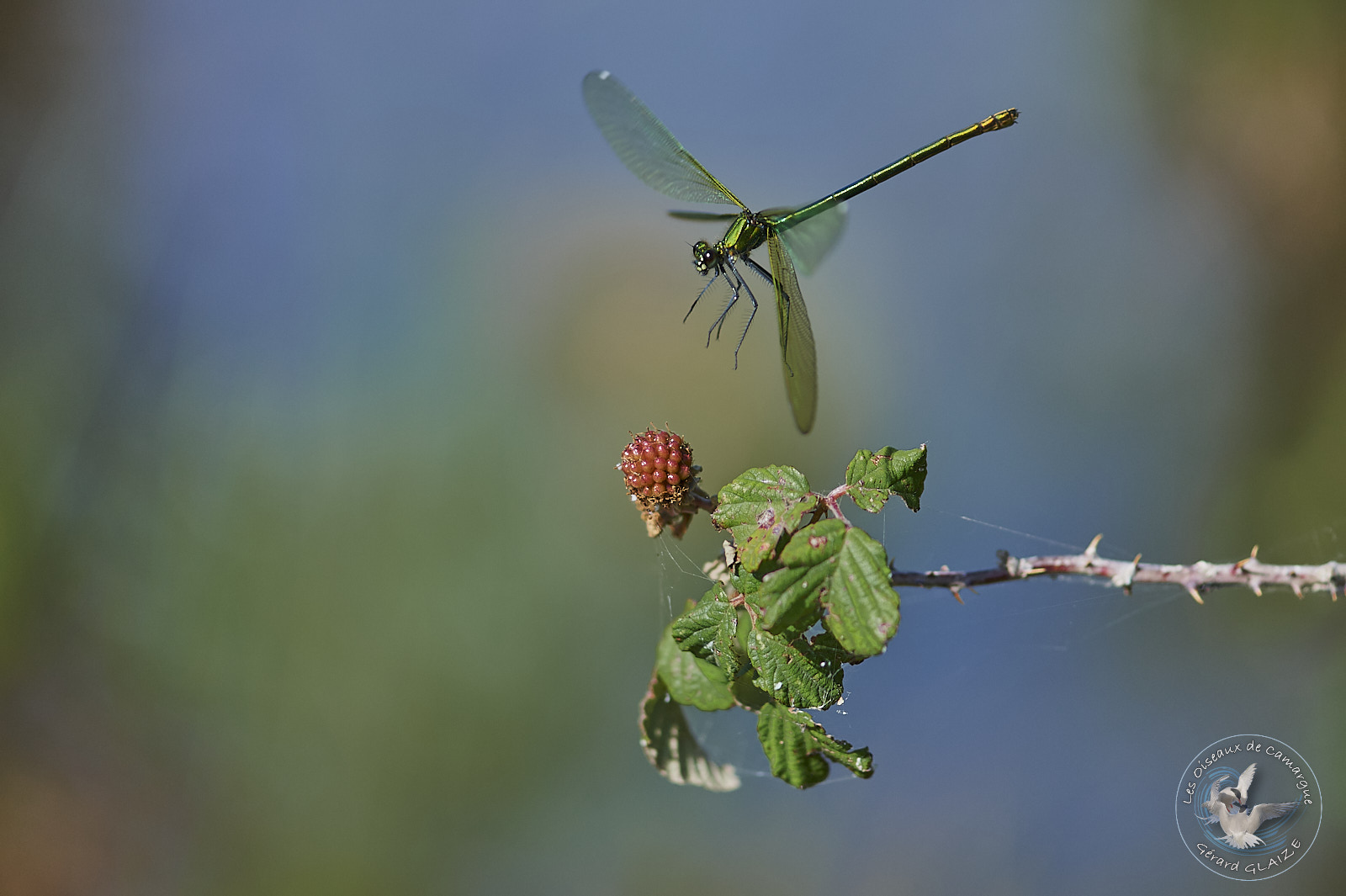
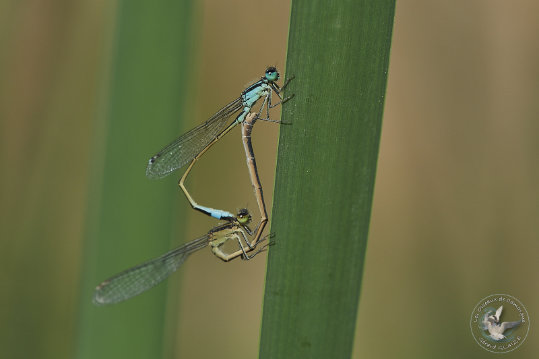
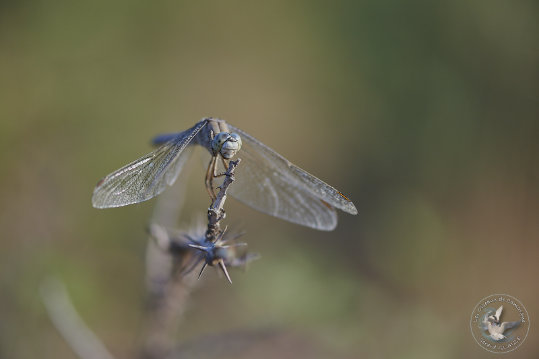
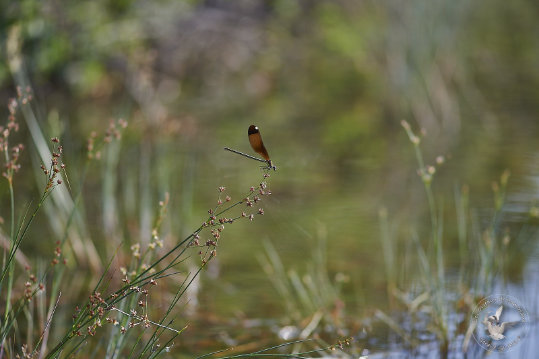
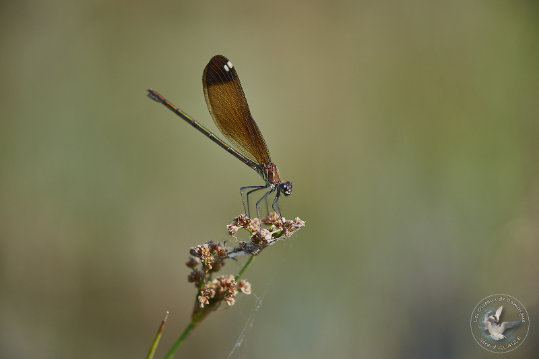
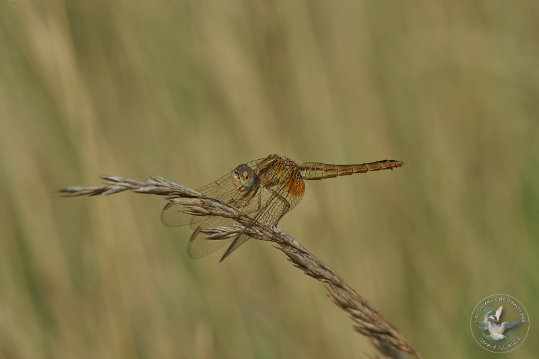
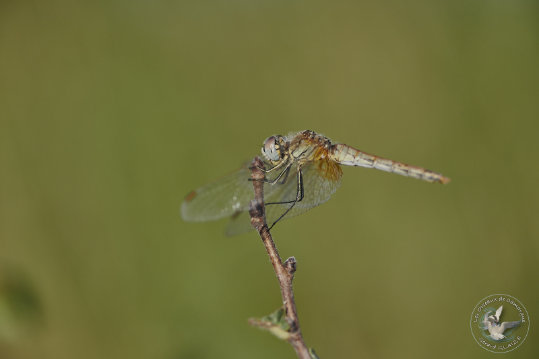
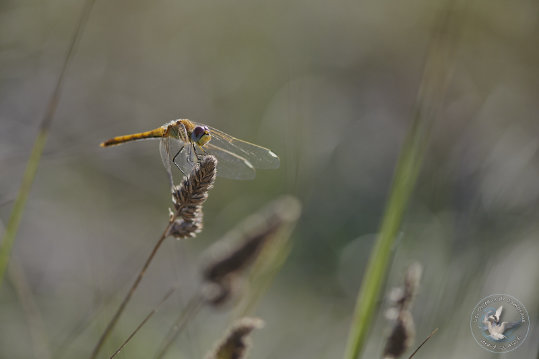
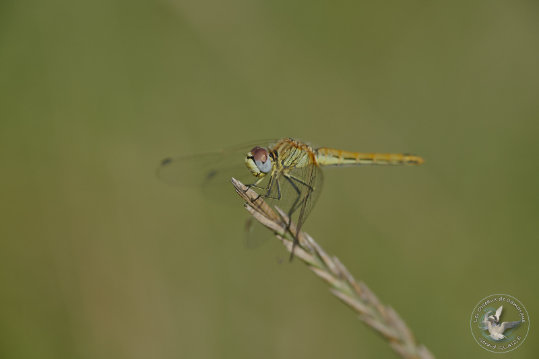
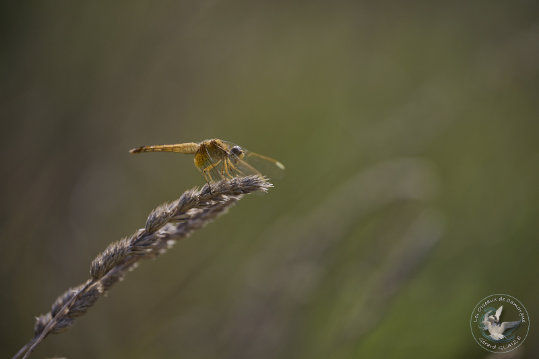
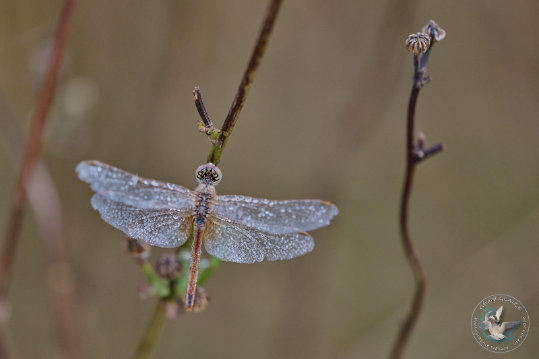
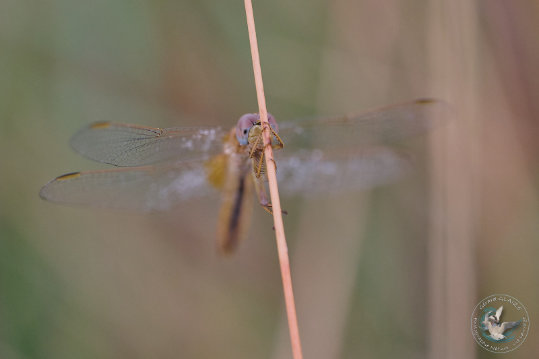
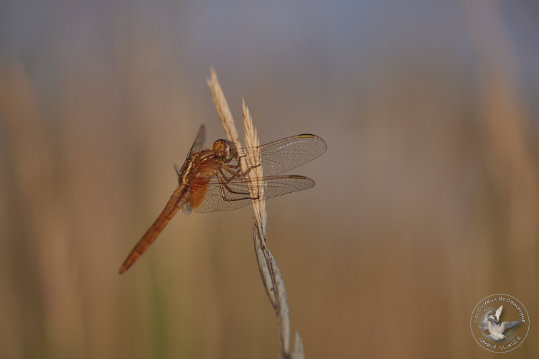
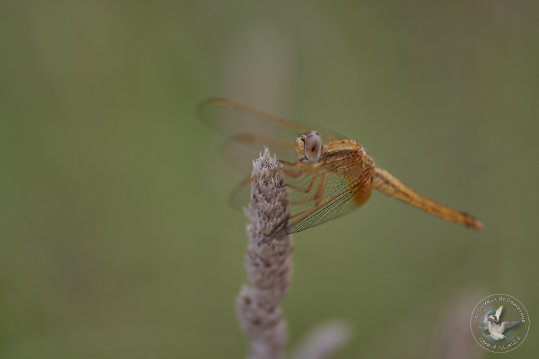
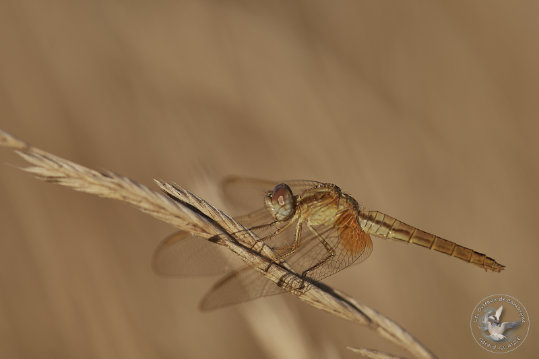
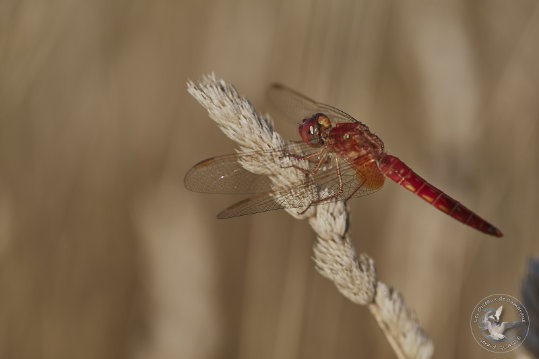
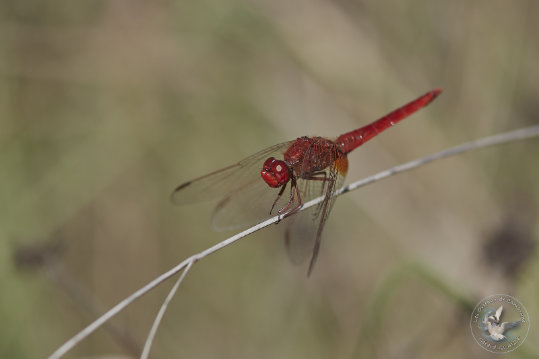
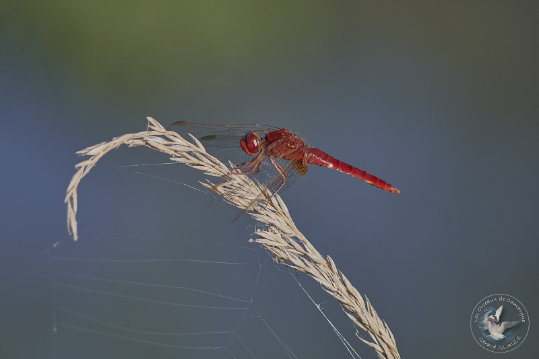
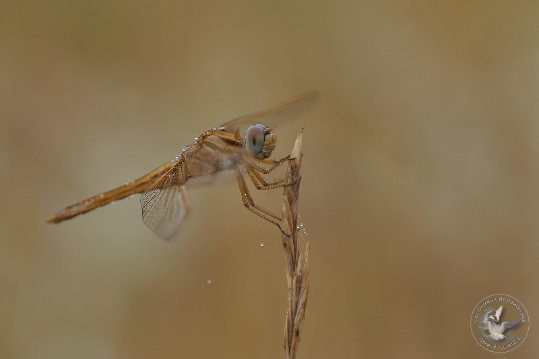
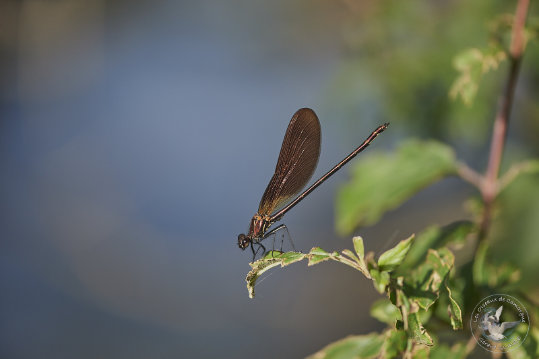
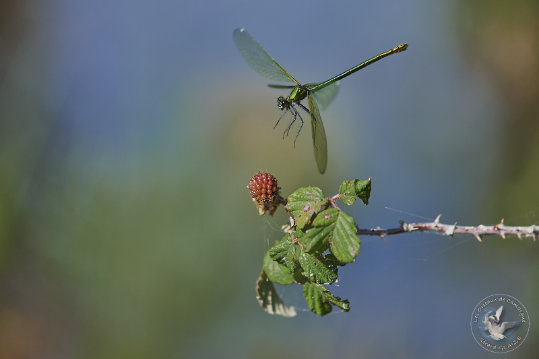
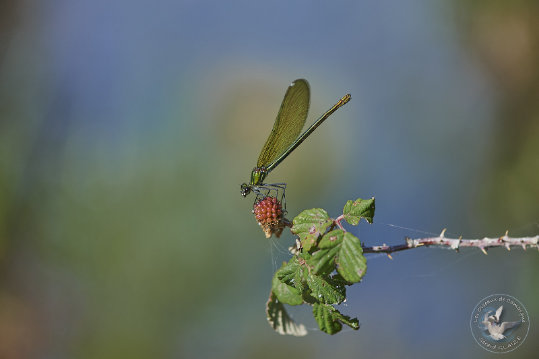
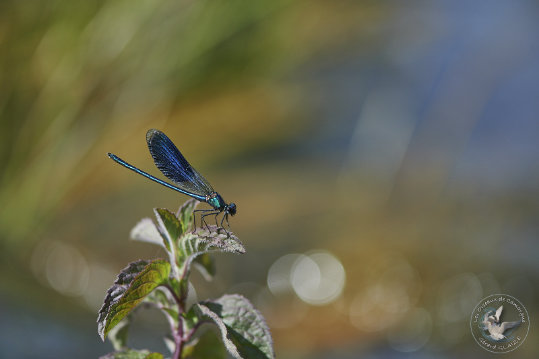
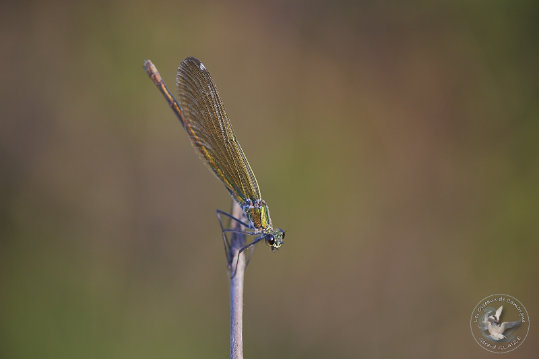
Odonata are an elongated-bodied order of insects, often called dragonflies, with two pairs of usually transparent membranous wings. Compound and usually large eyes allow them to effectively hunt prey. Their larvae develop in the water, during the summer it metamorphoses into a flying insect called "imago".
The odonates include two suborders: the zygoptera and the anisoptera:
In damselflies or zygoptera, we distinguish:
There are 43 species of dragonflies in the Camargue out of 83 listed in France. (source PNRC of Camargue 2005).
Informations documentations :
Observation places :