The Alpilles
Geographic location
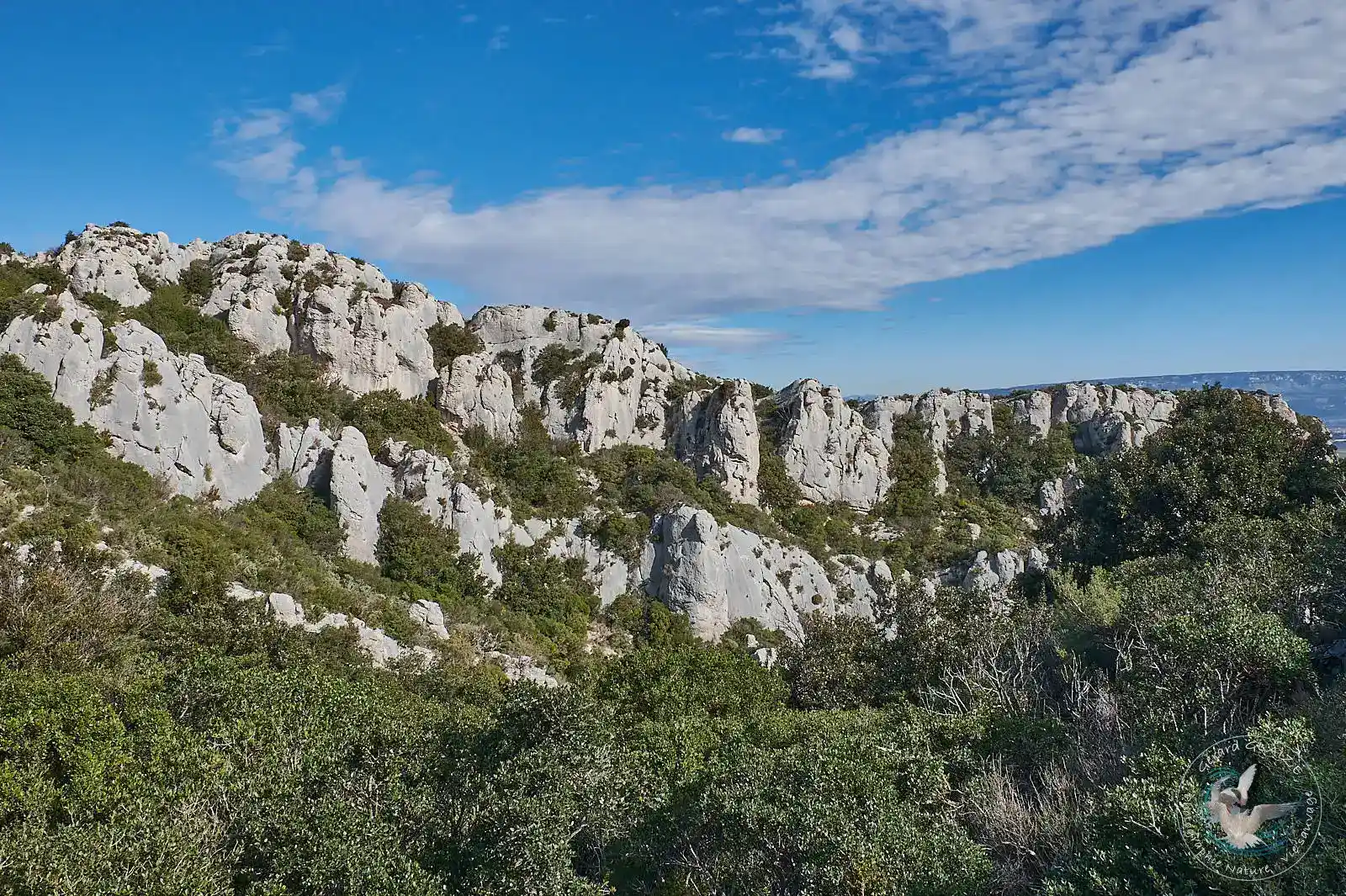
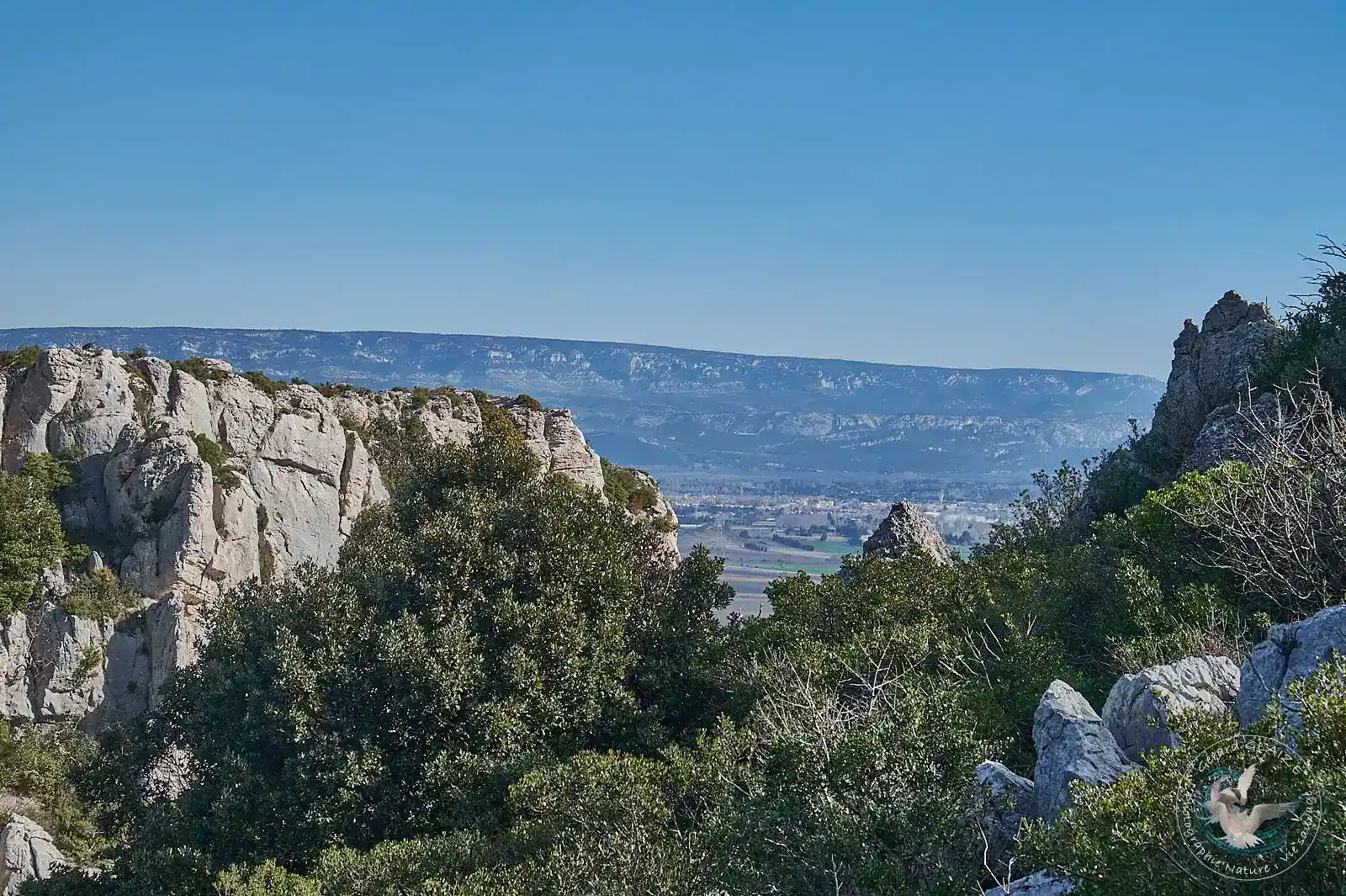
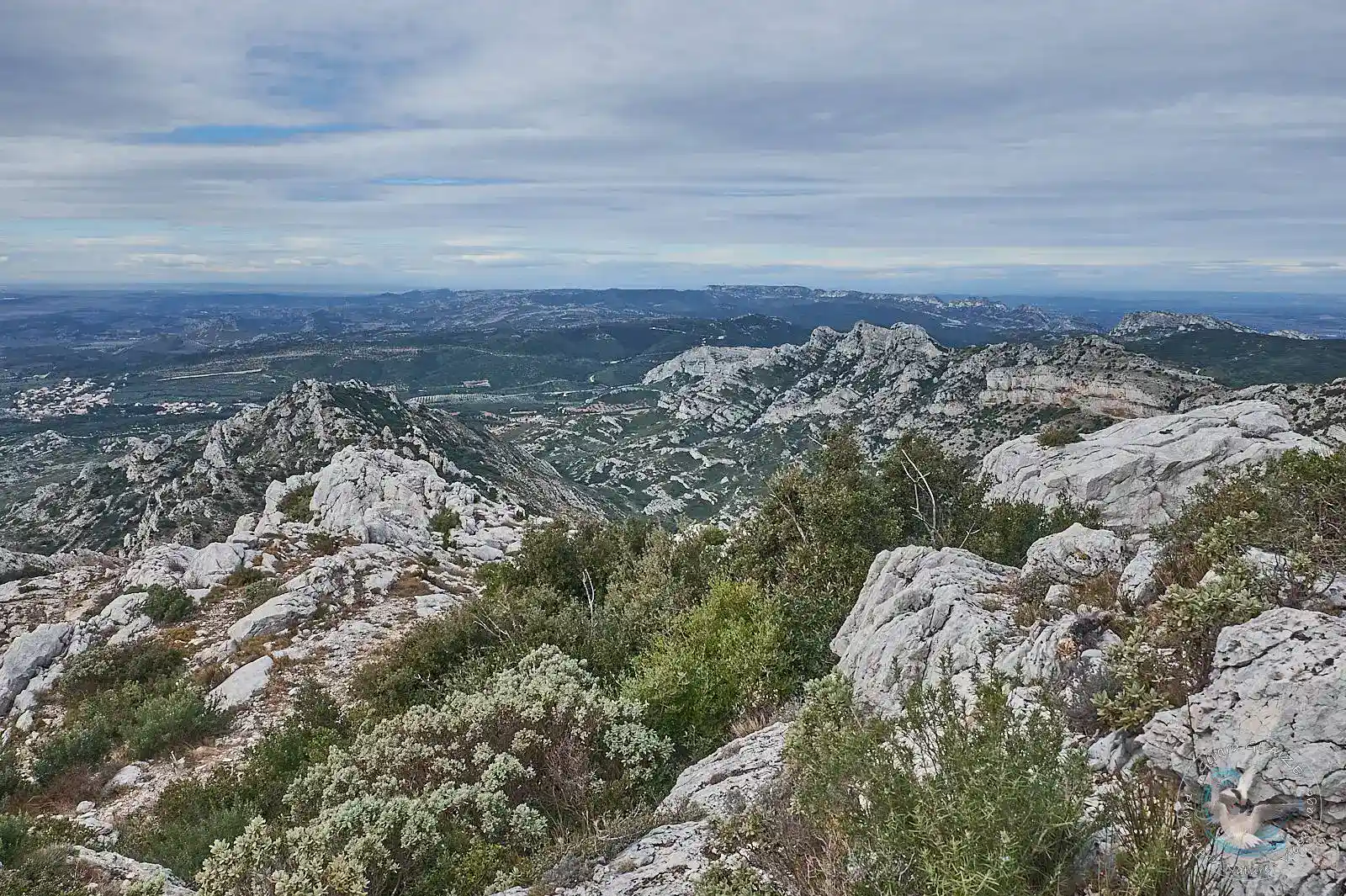
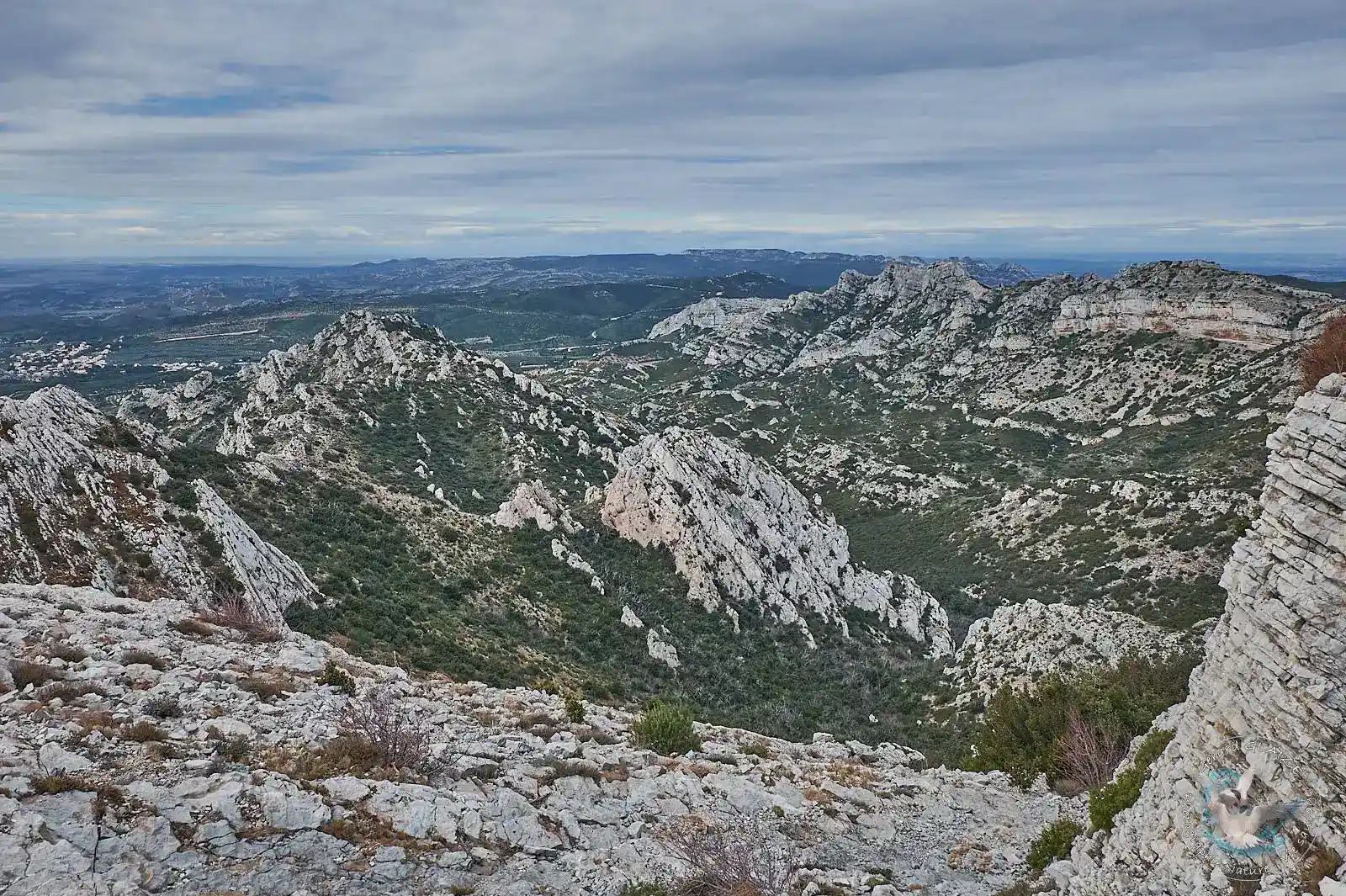
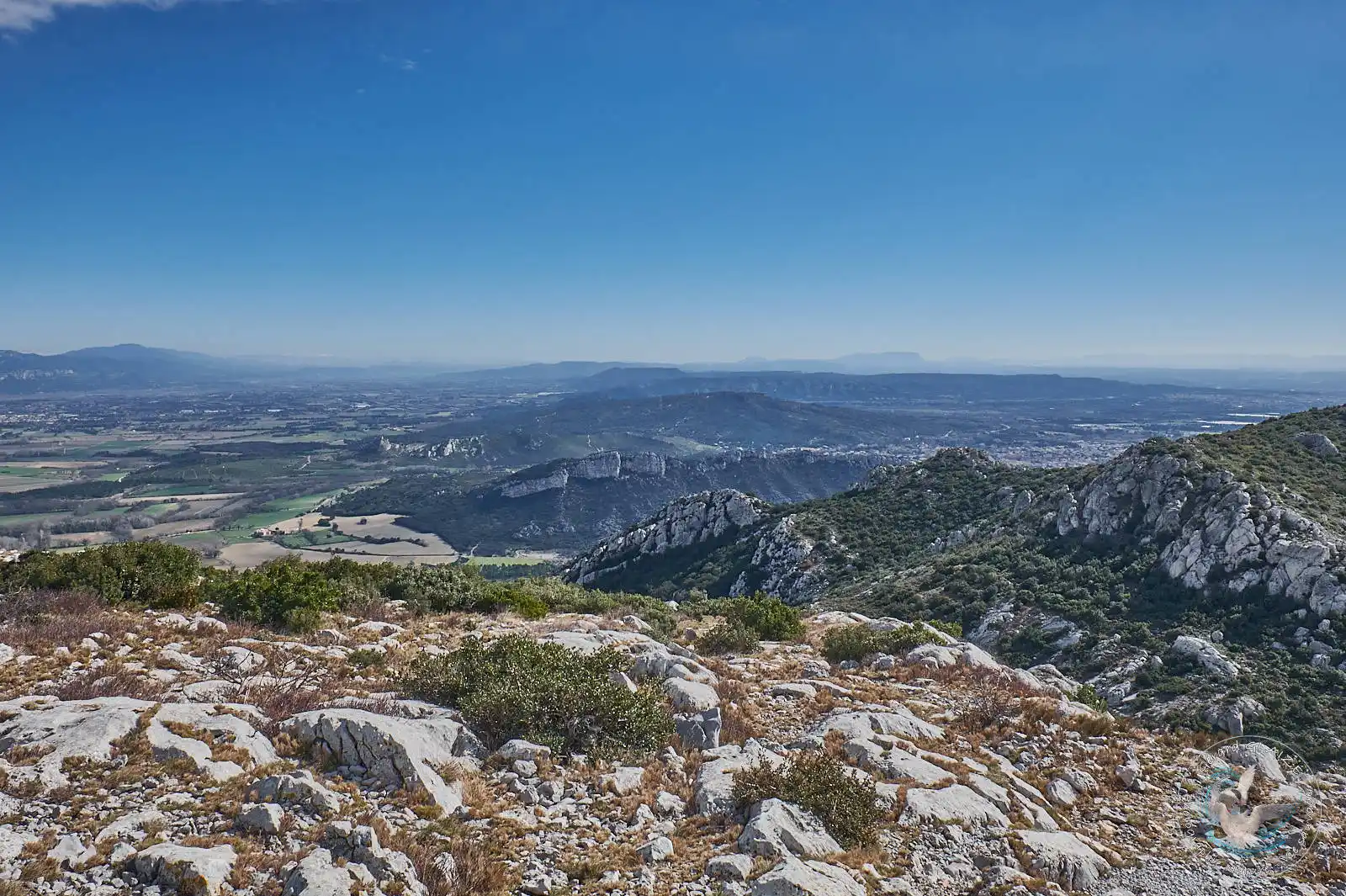
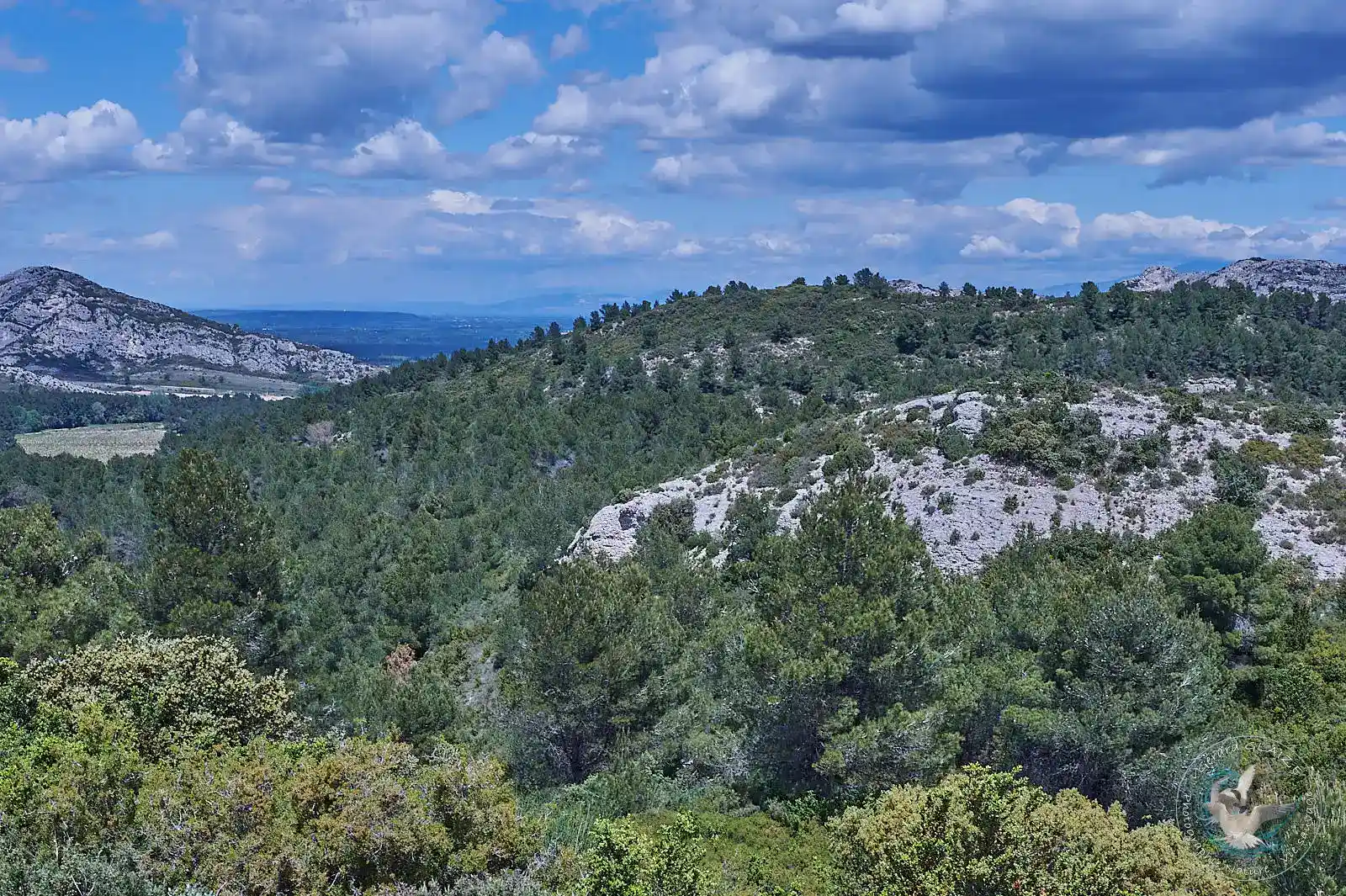
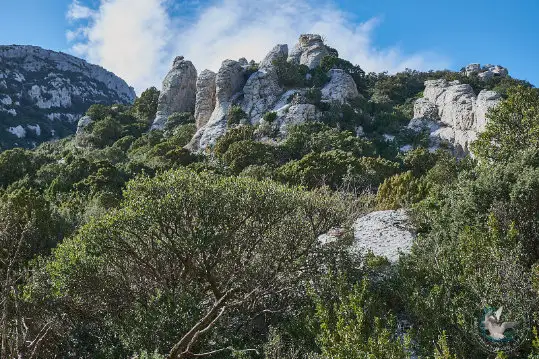
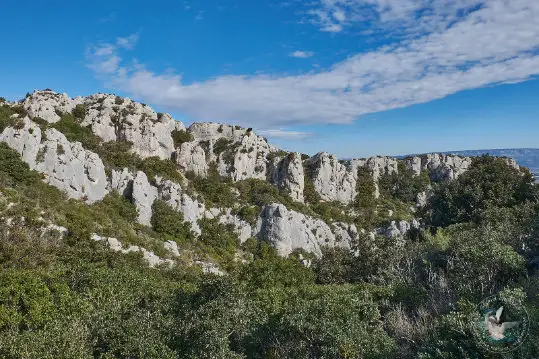
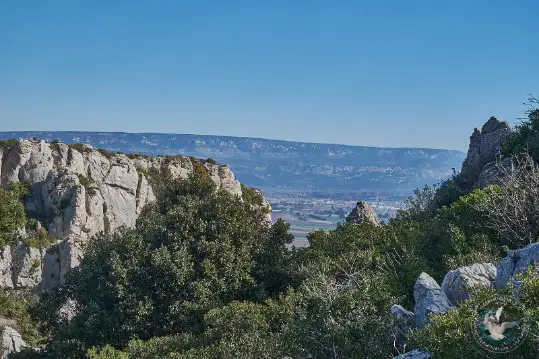
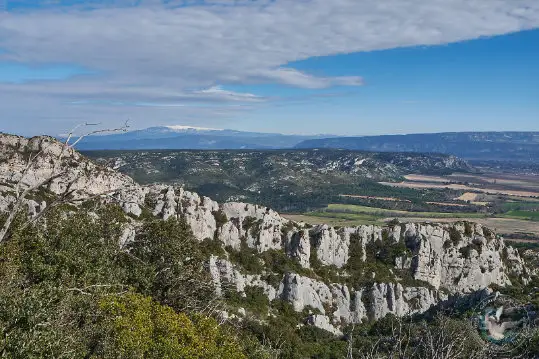
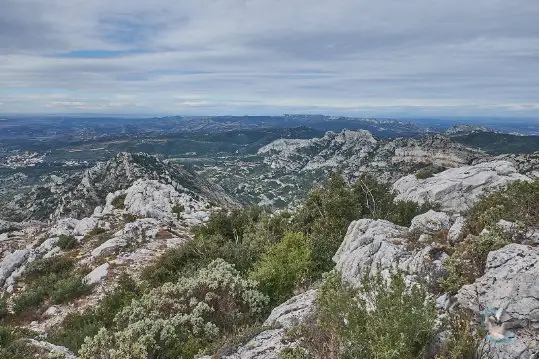
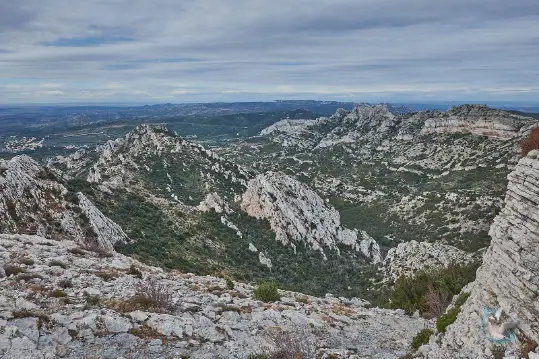
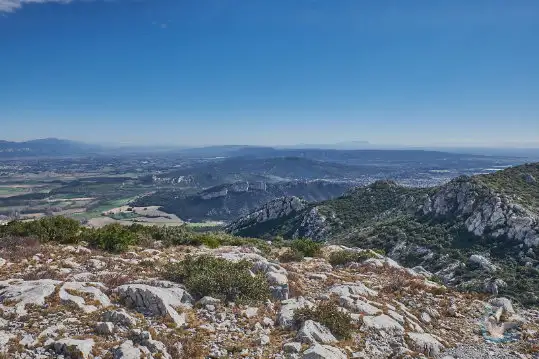
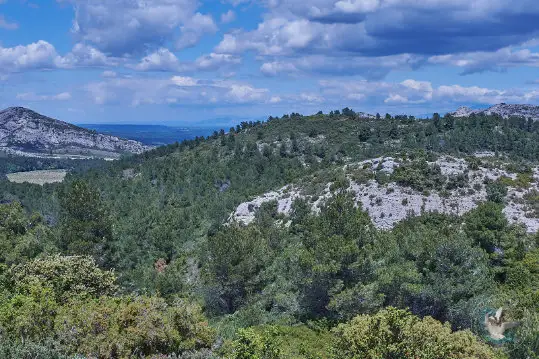
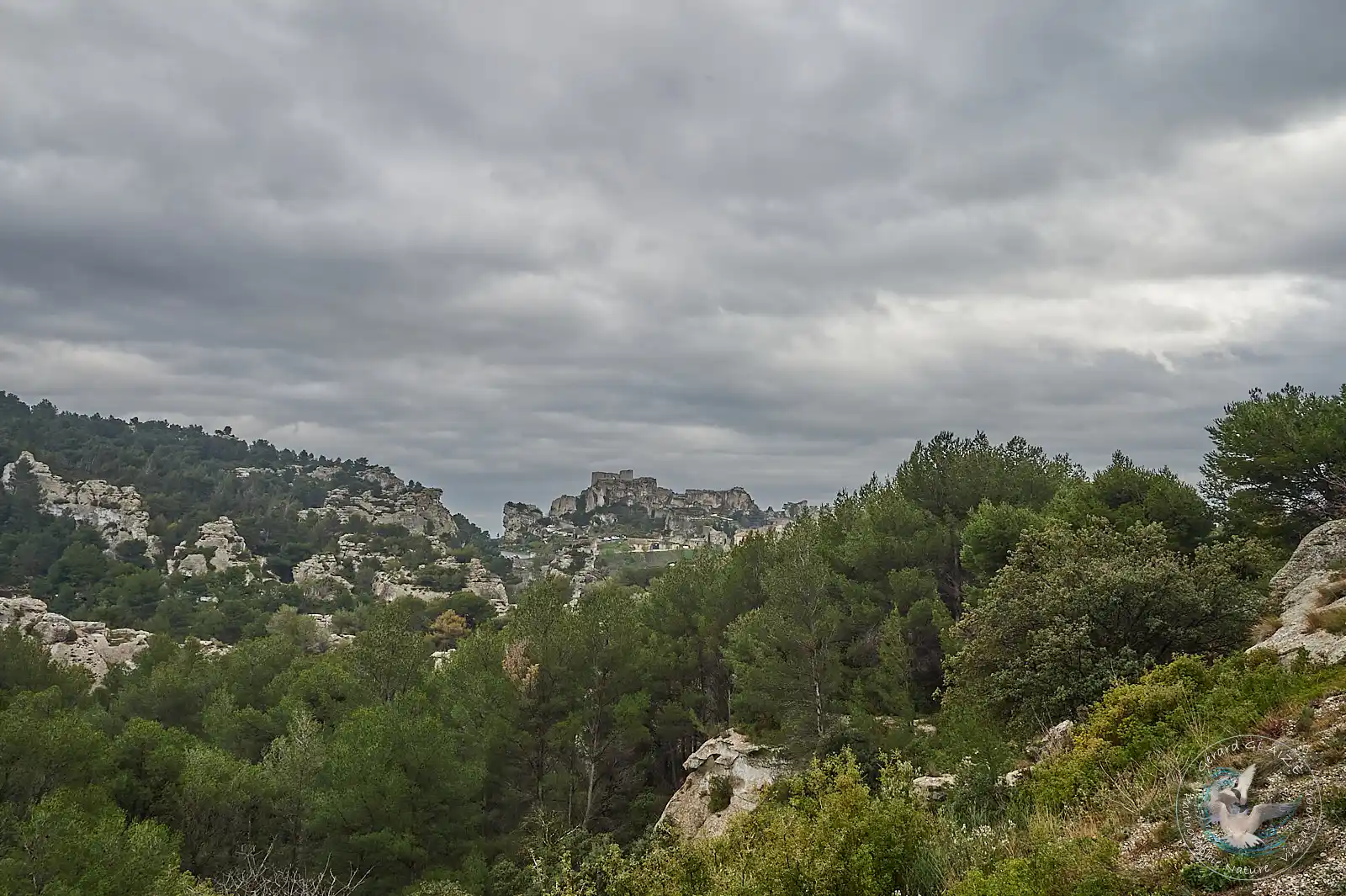
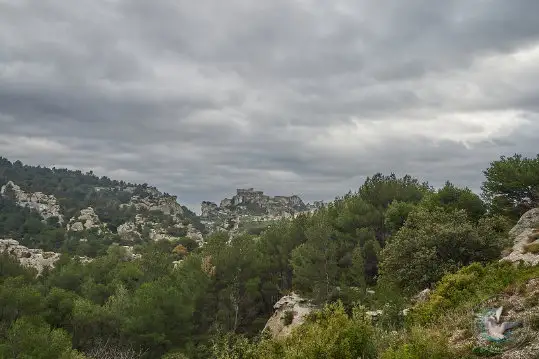
The Alpilles massif is a low altitude mountain range, with an original landscape of white limestone rocks. This massif is located in the south of France in Provence, in the northwest of the French department of Bouches-du-Rhône. It extends from west to east between Tarascon and Orgon over an area of 50,000 hectares. It extends along an east-west axis for approximately 25 km, from the Rhône valley to the Durance valley.
Several summit areas make it up:
The Alpilles region is part of Provence. The historical language of Provence is Occitan. Several associations work to promote the development of the Provençal language. In 1854, the Félibrige literary society was founded in Châteauneuf-de-Gadagne by Frédéric Mistral and others, with the aim of reviving the Provençal language and standardizing its spelling through literature, particularly poetry. In 1904, Mistral received the Nobel Prize in Literature for his work "Mireille" (Mirèio).
If you wish you can see the Map of the Alpilles on Google Map
Landscapes of the Alpilles
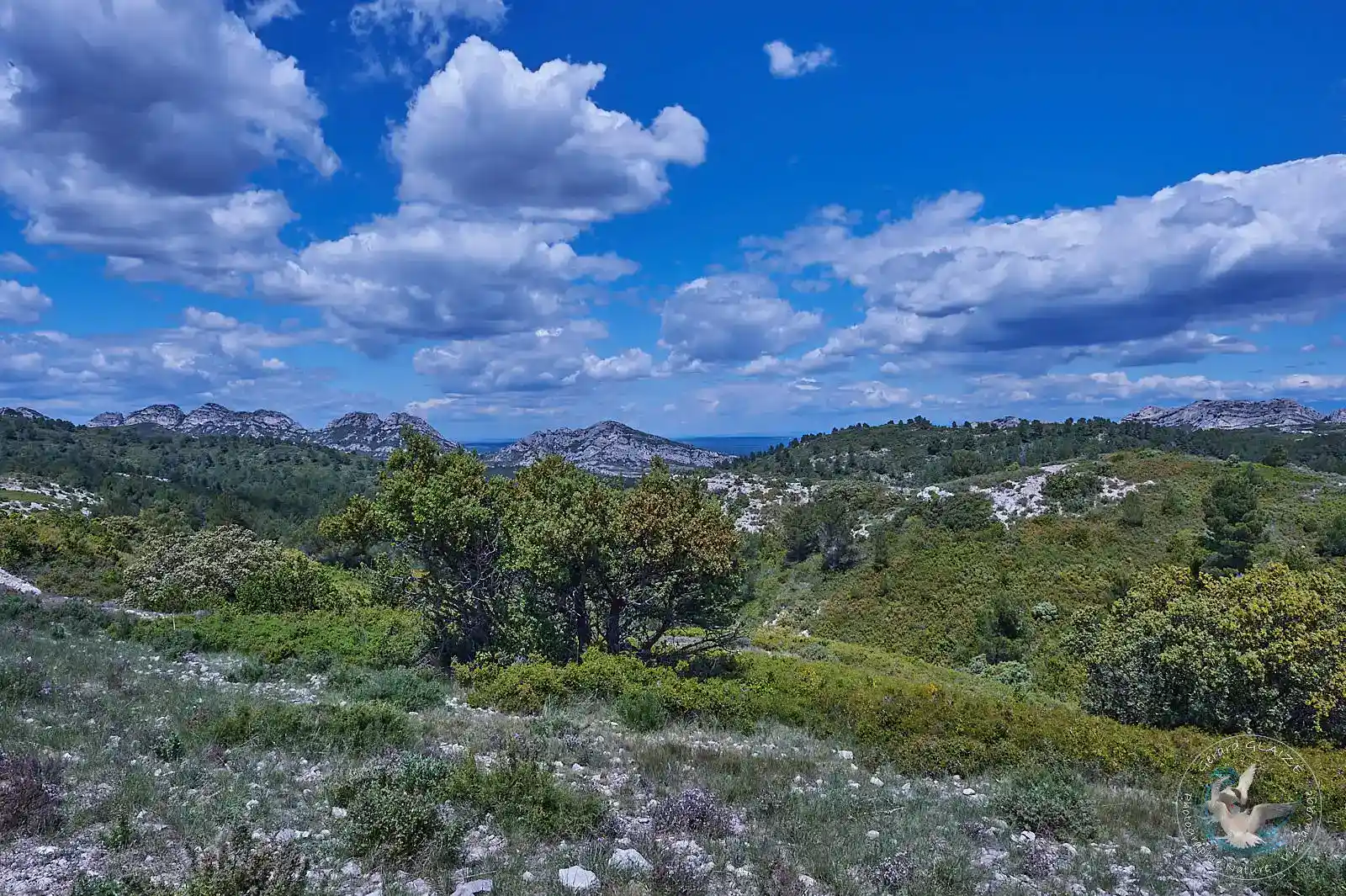
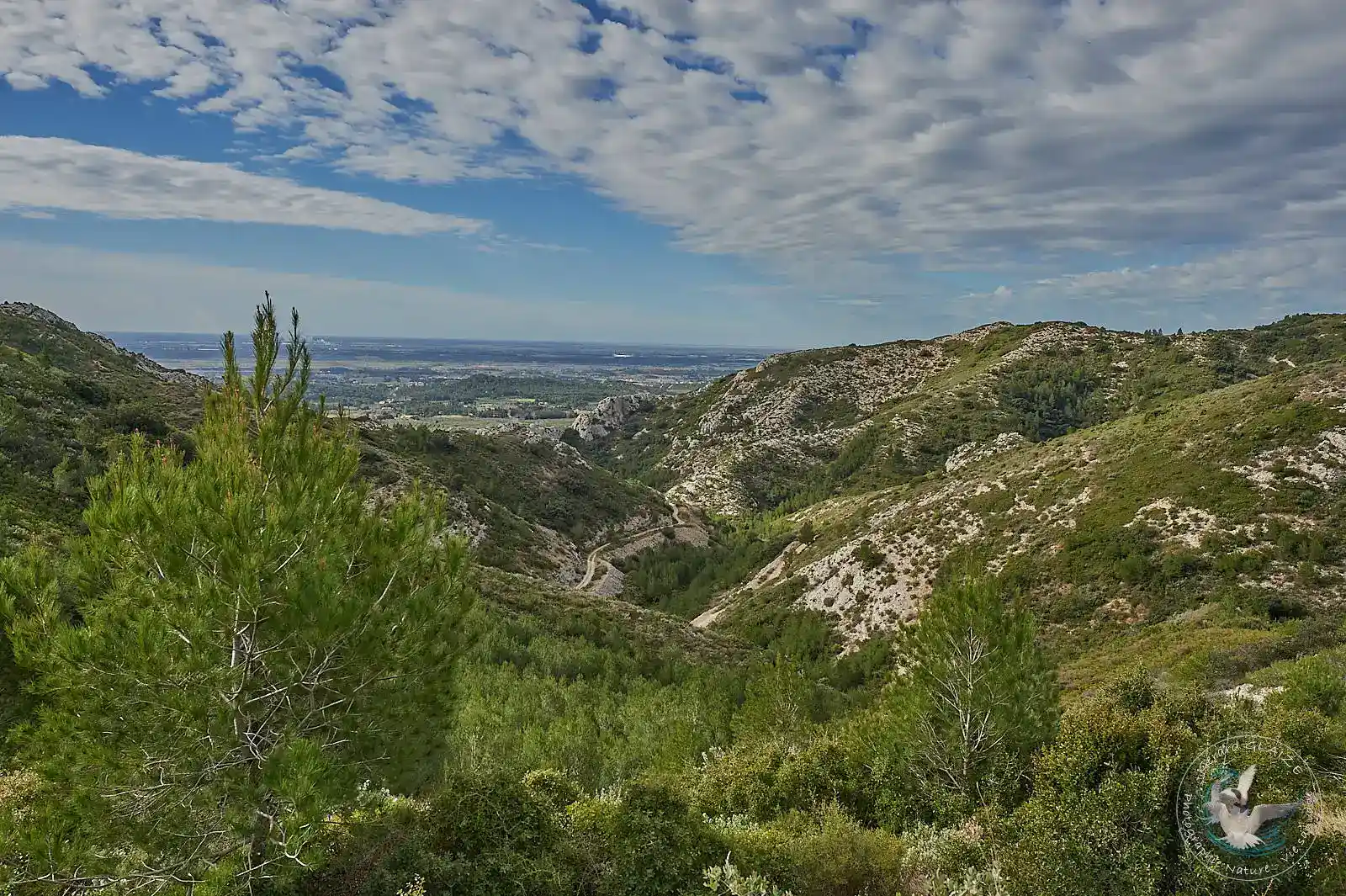
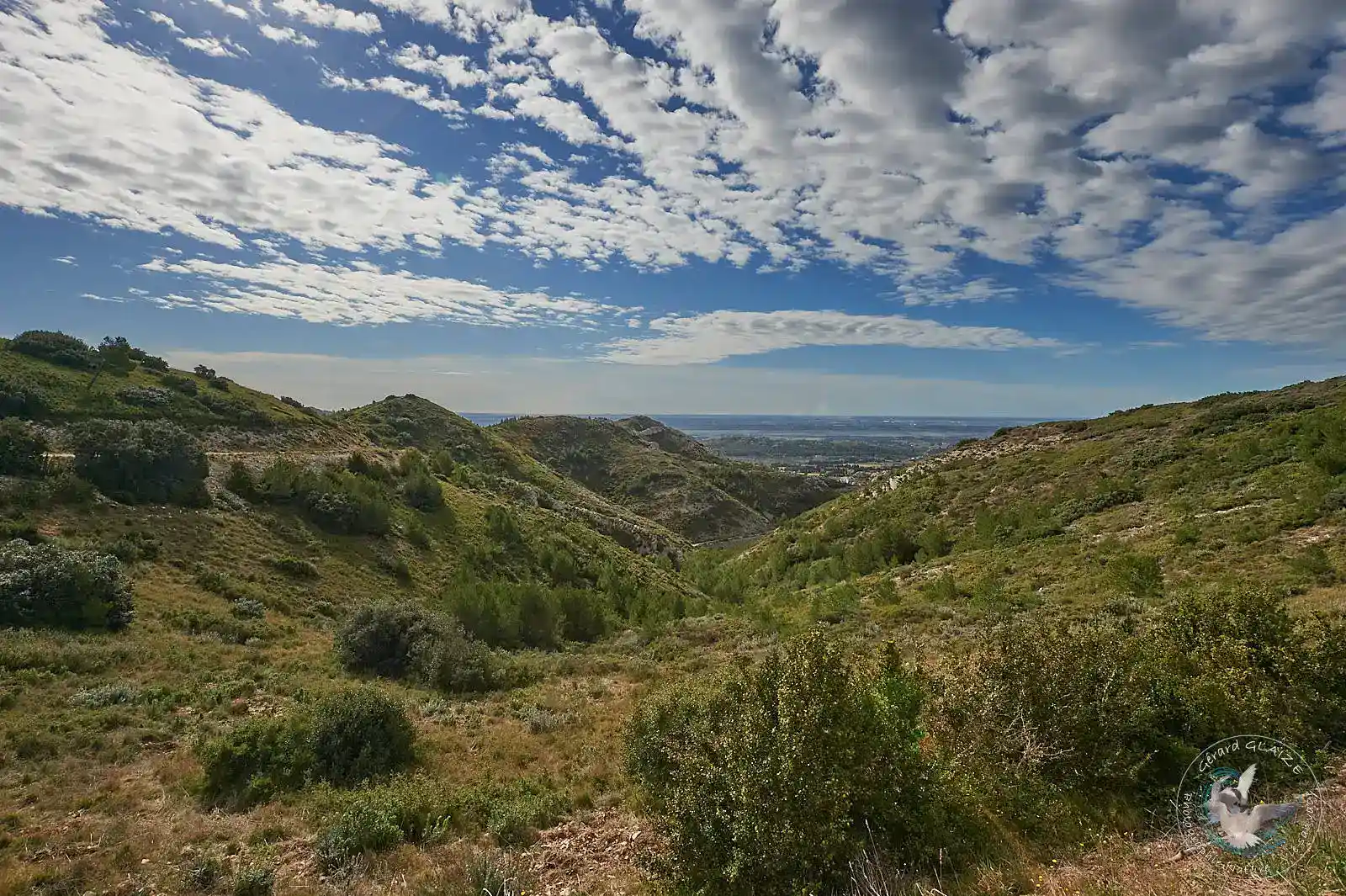
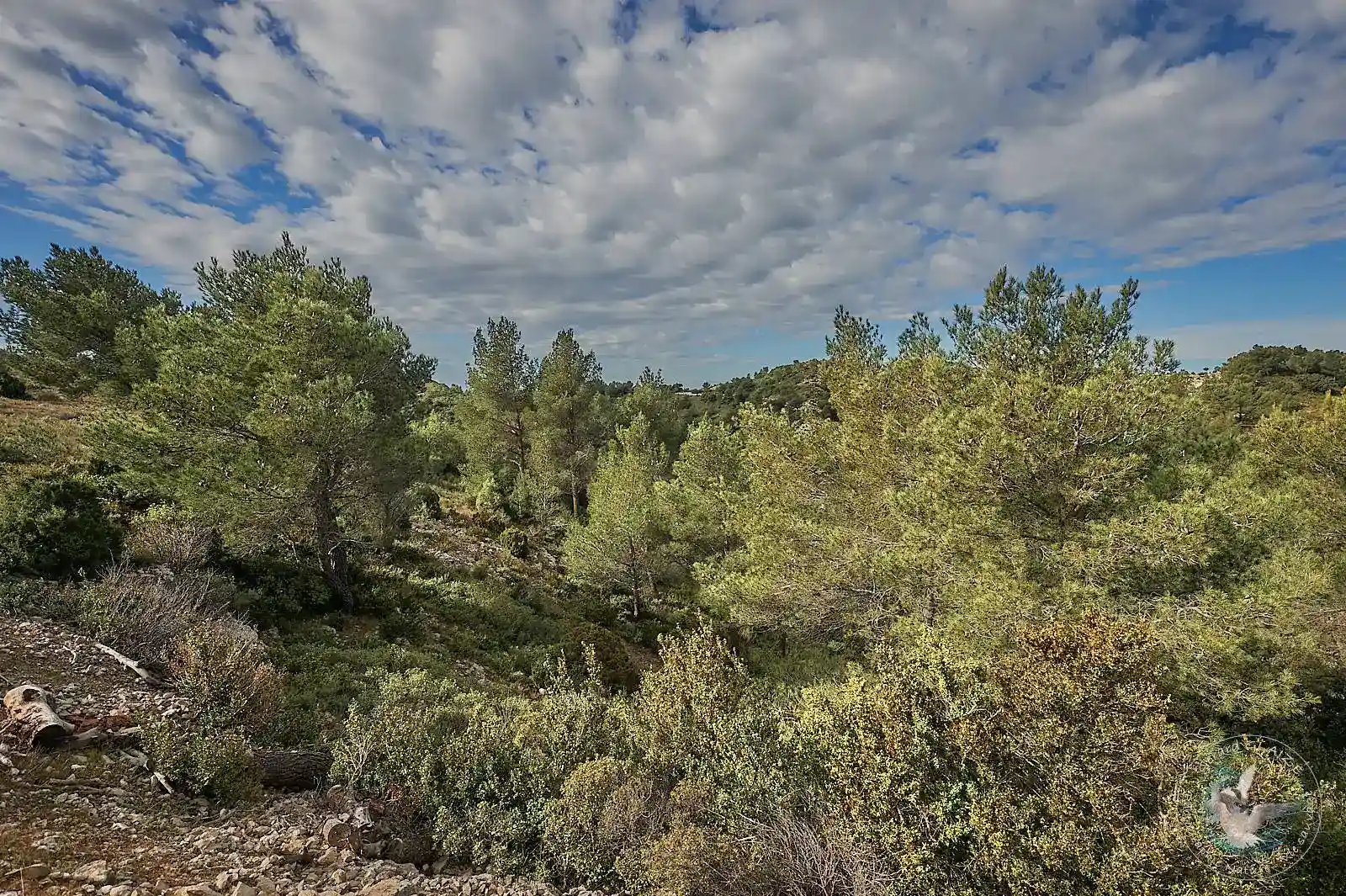
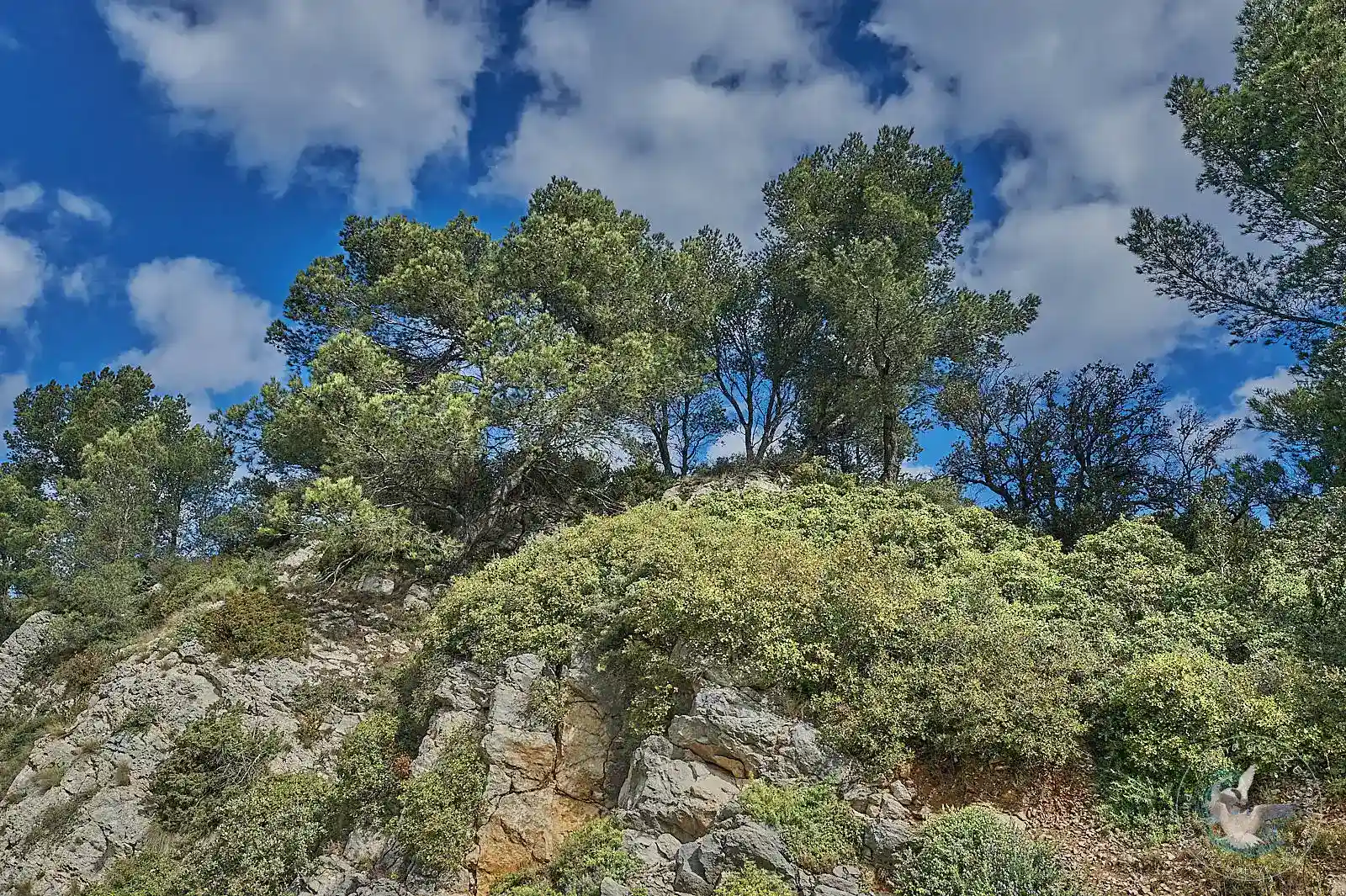
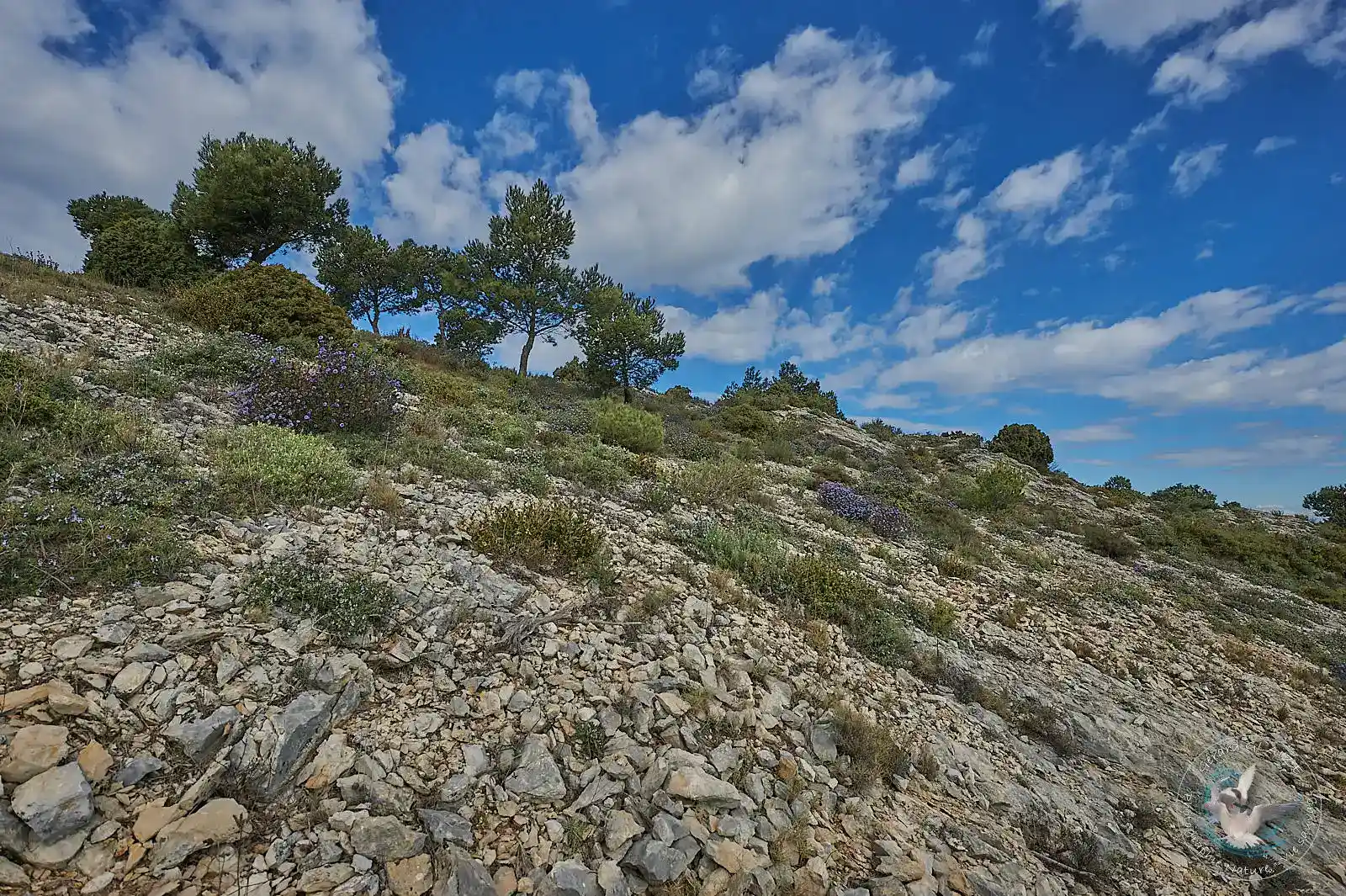
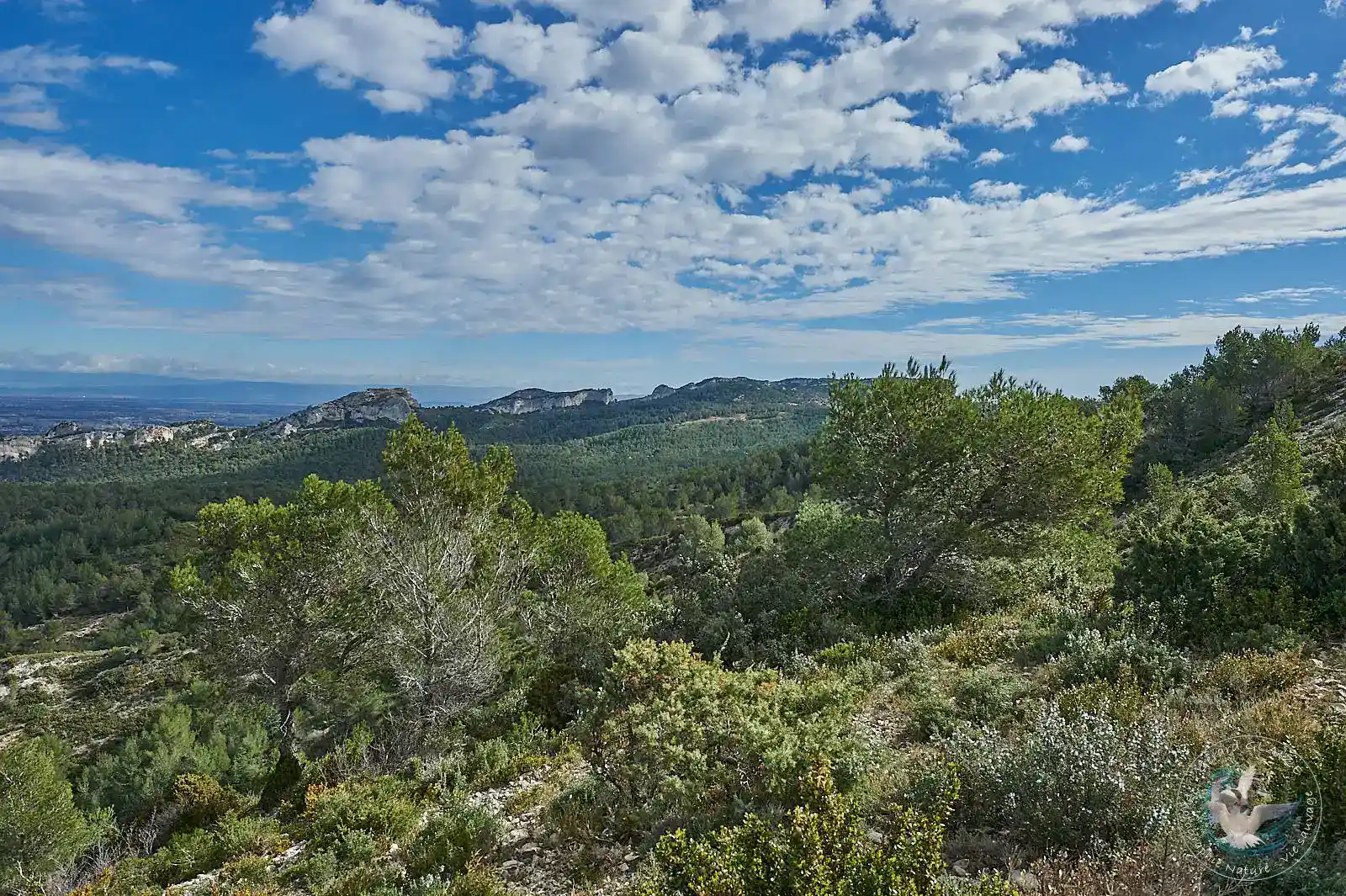
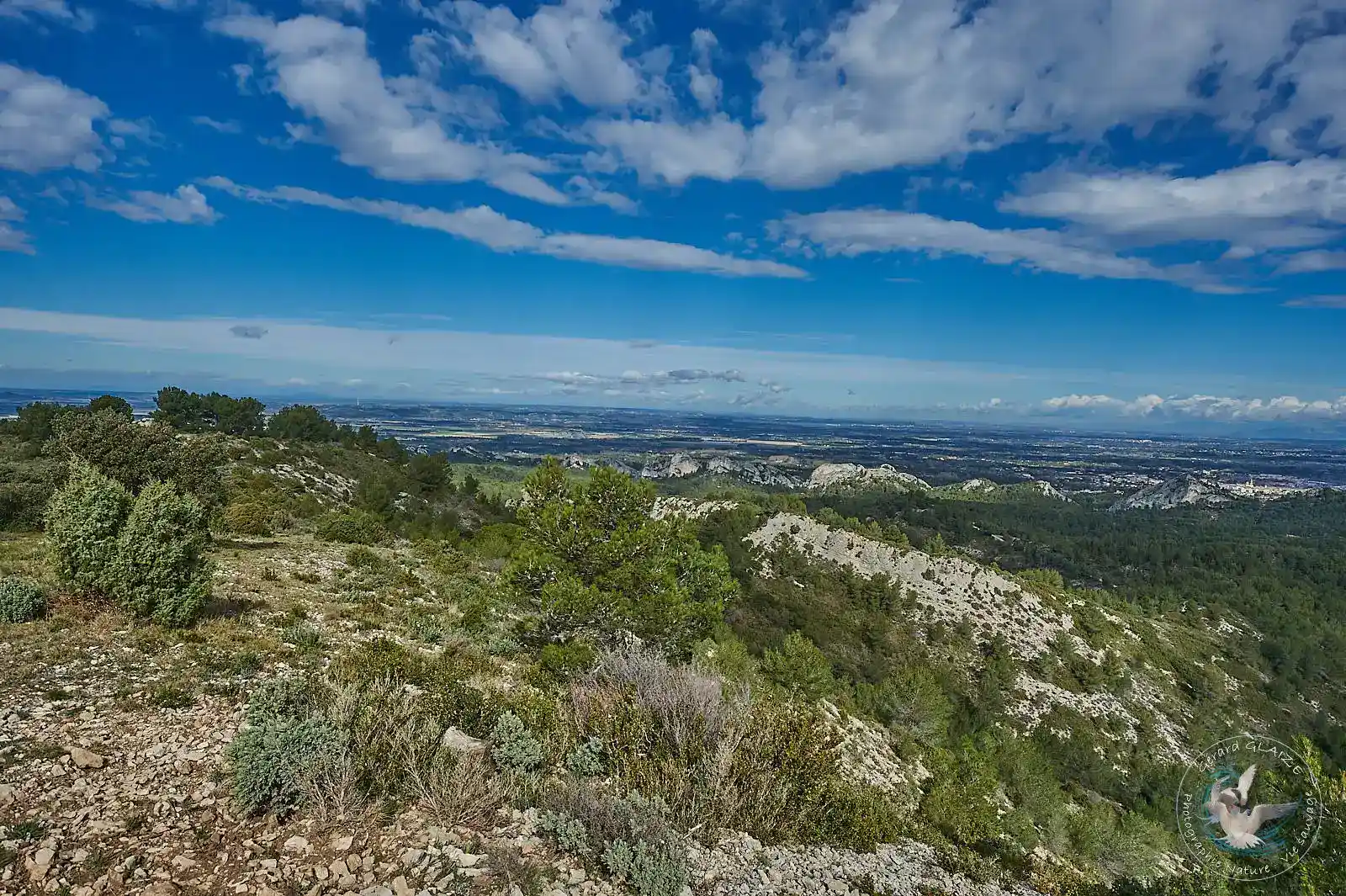
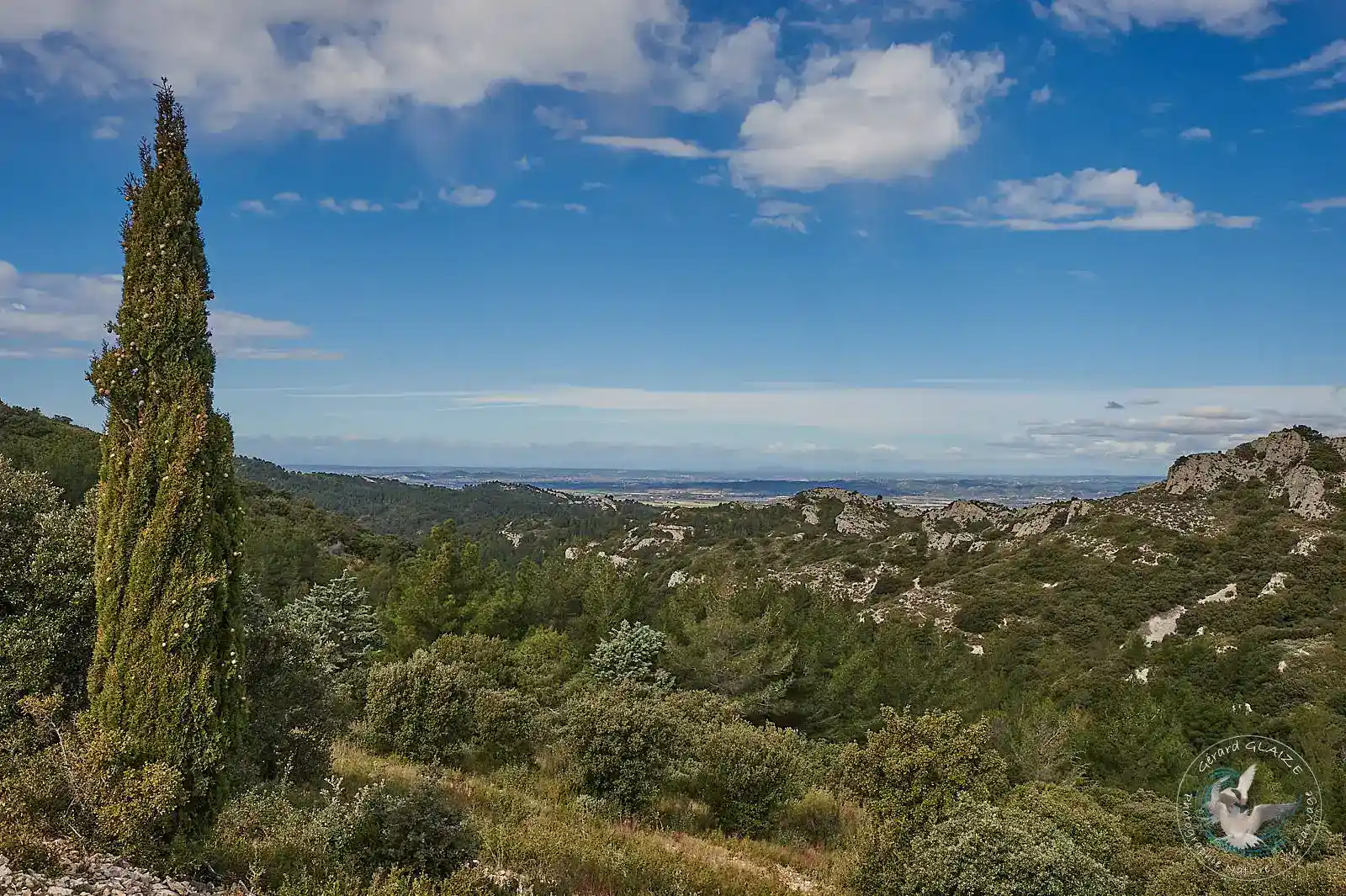
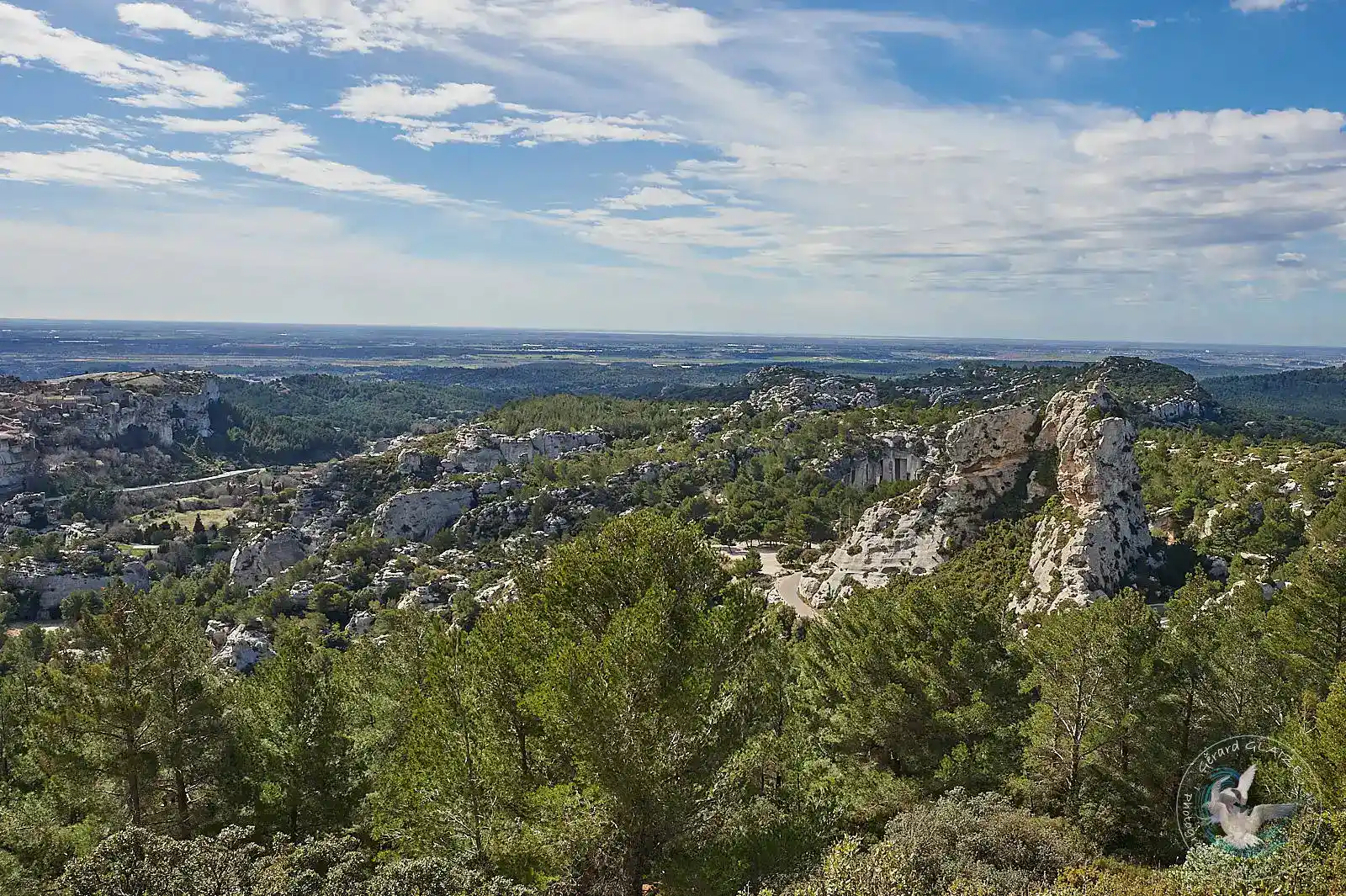
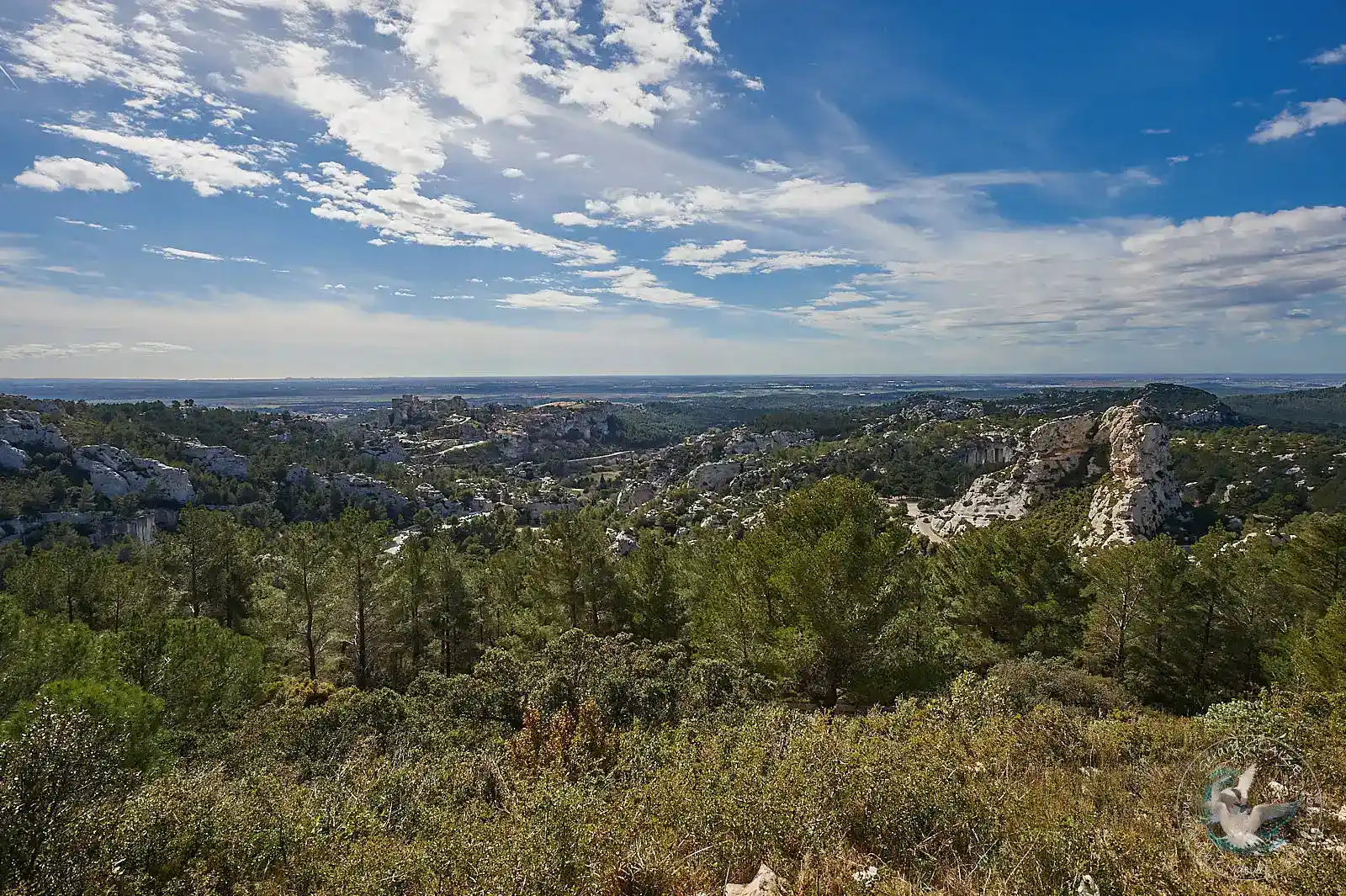
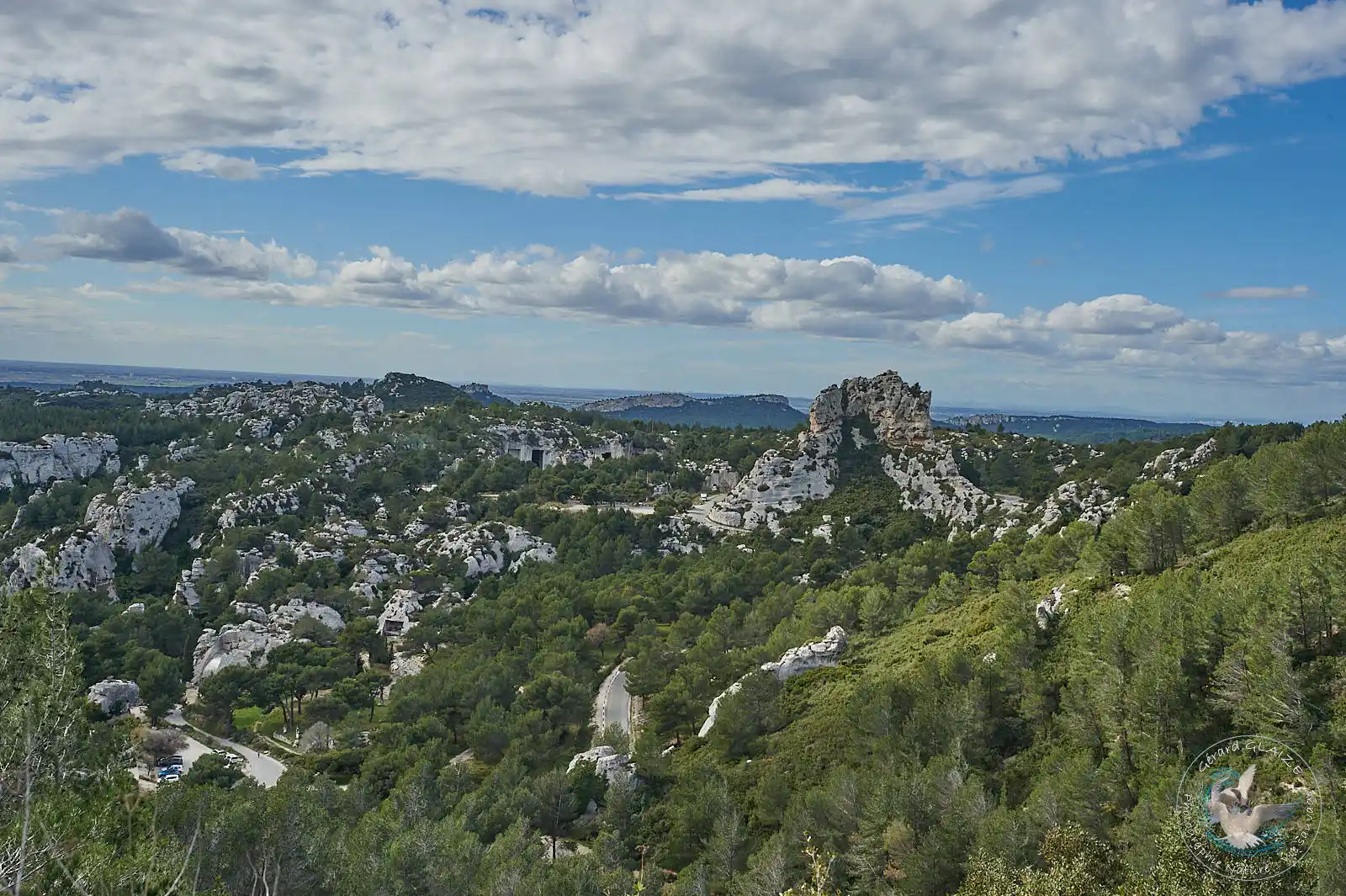
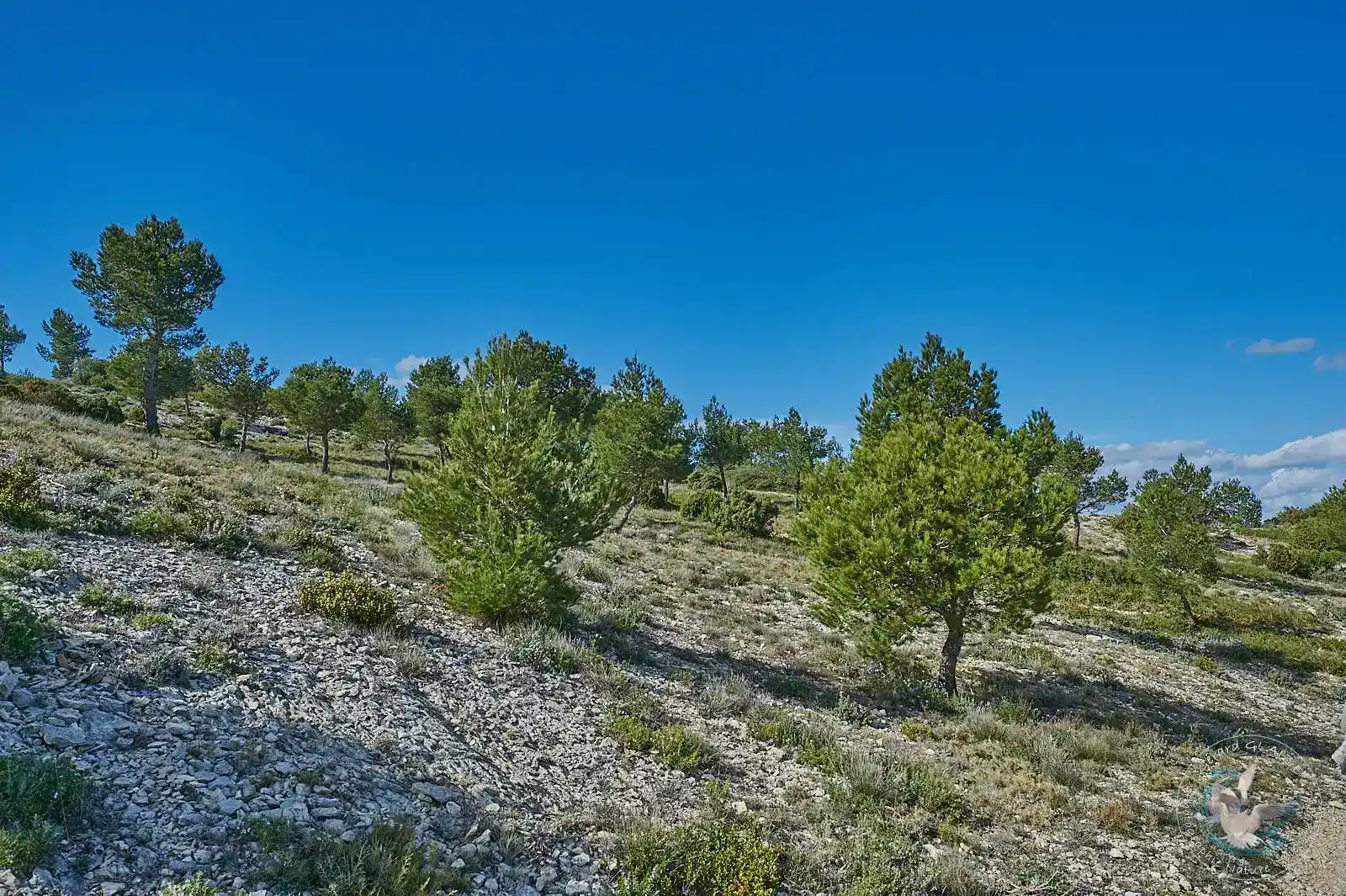
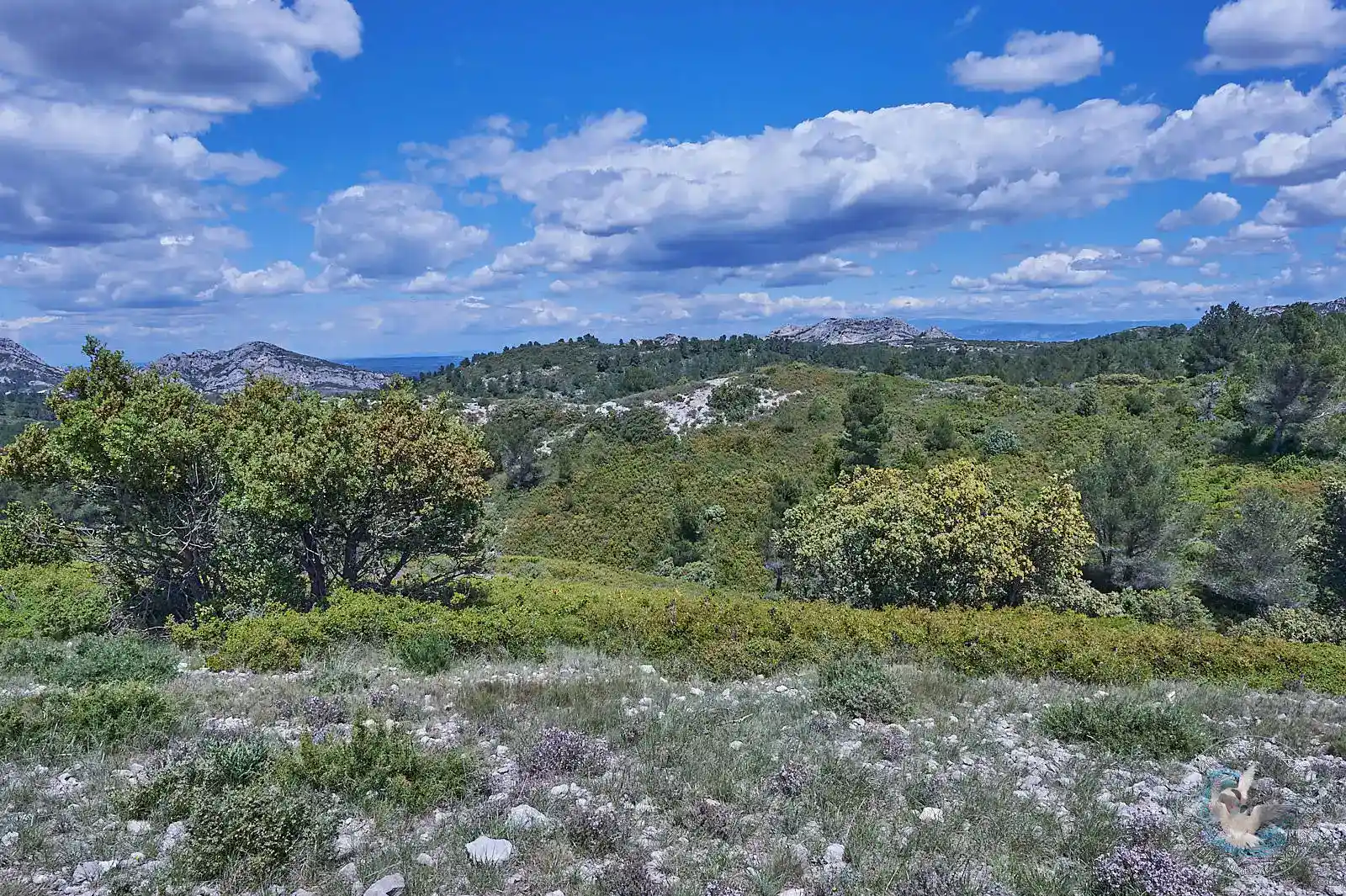
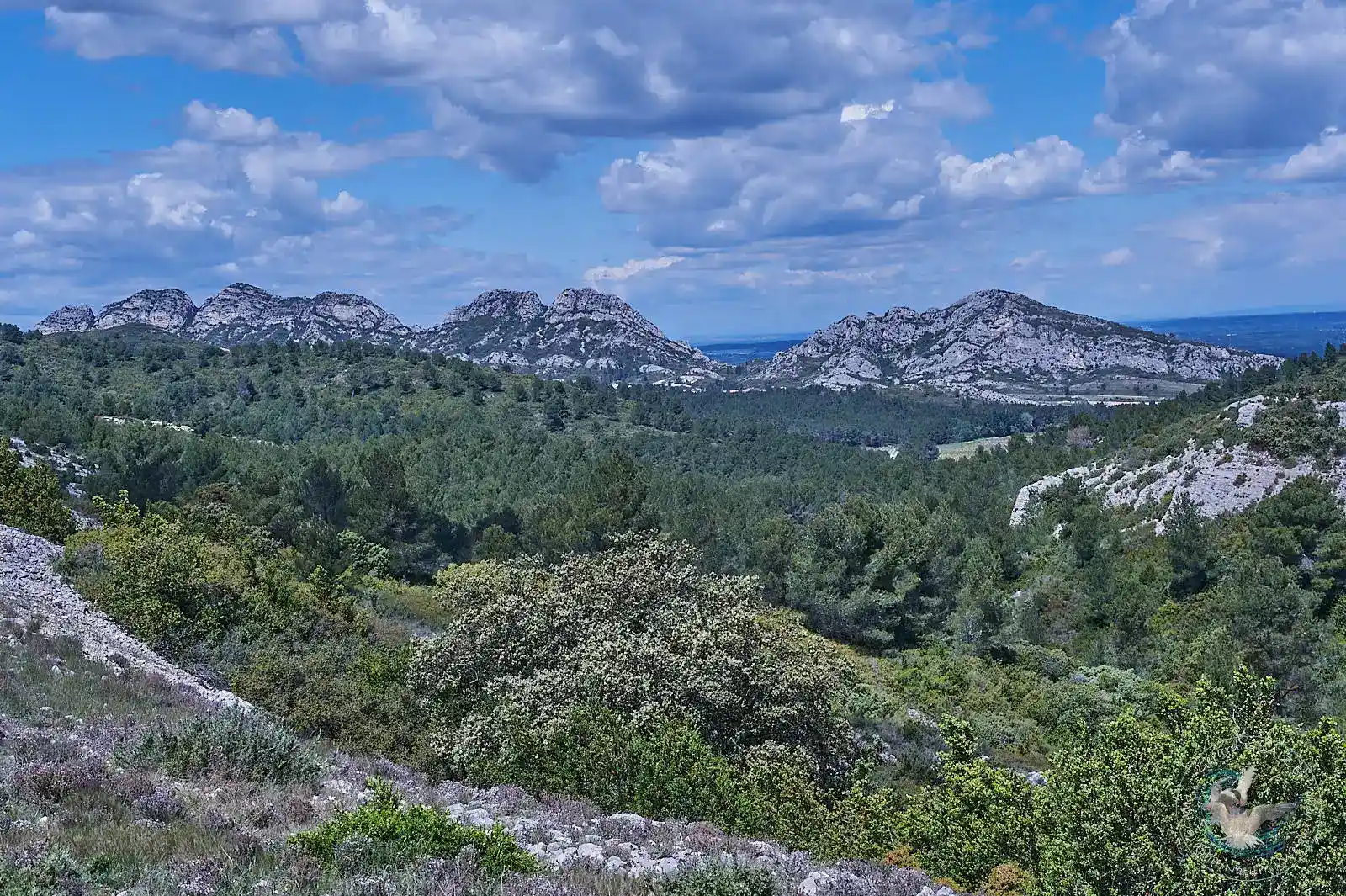
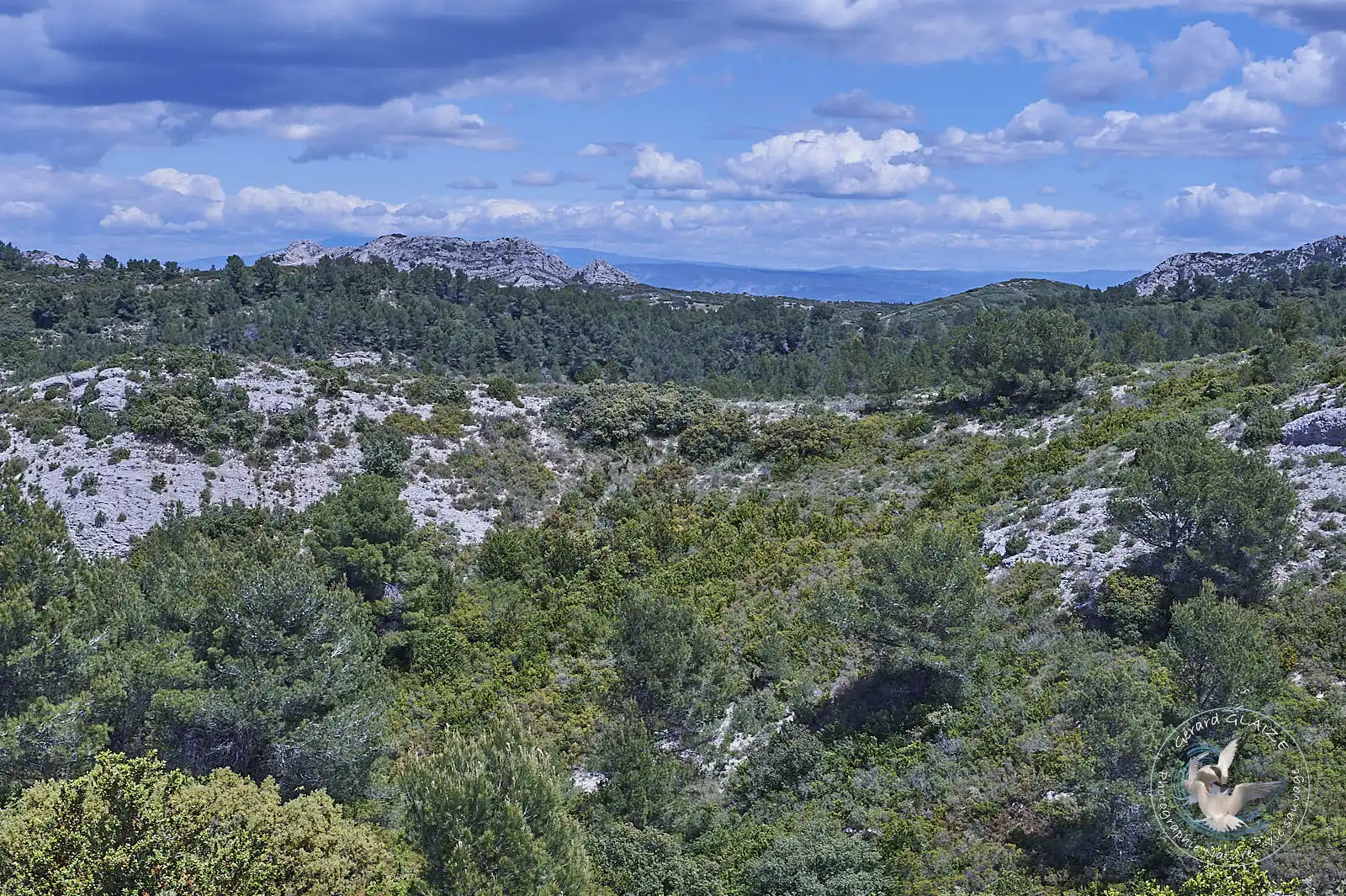
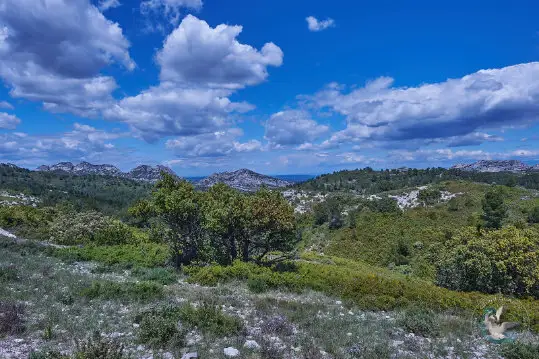
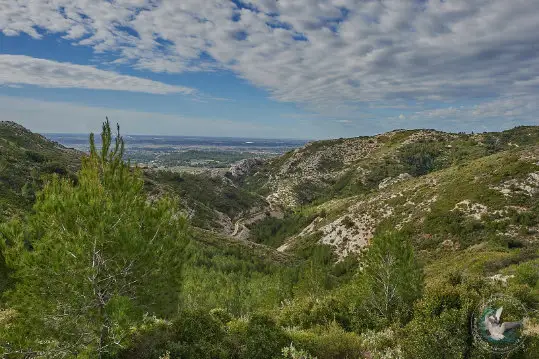
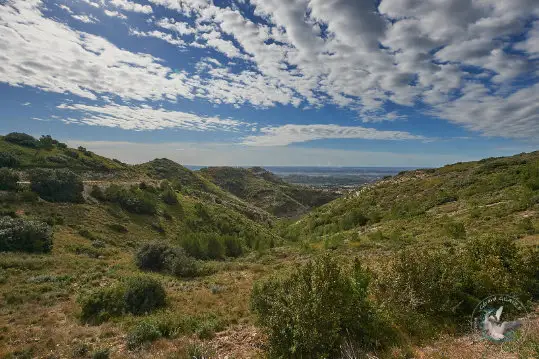
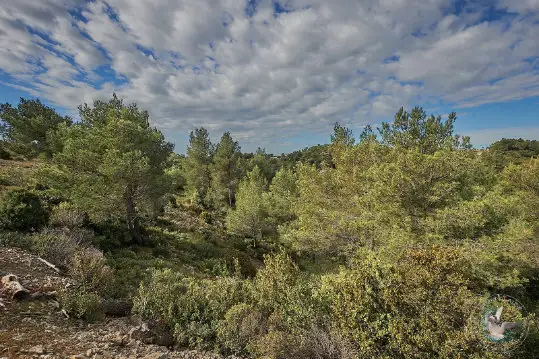
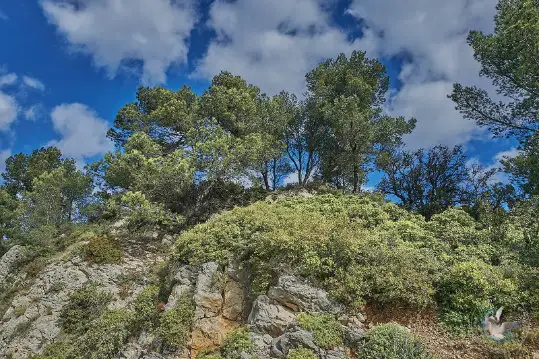
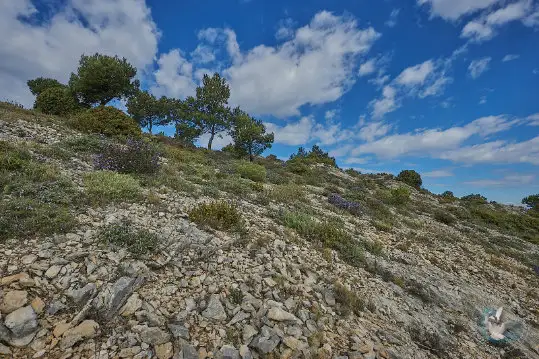
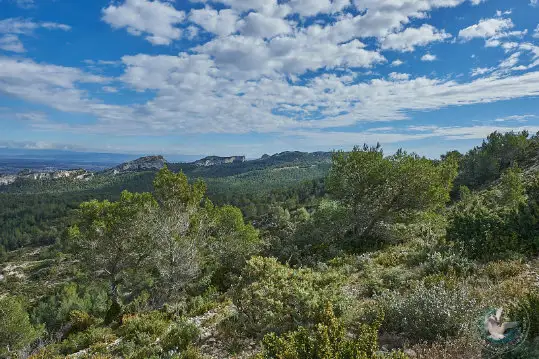
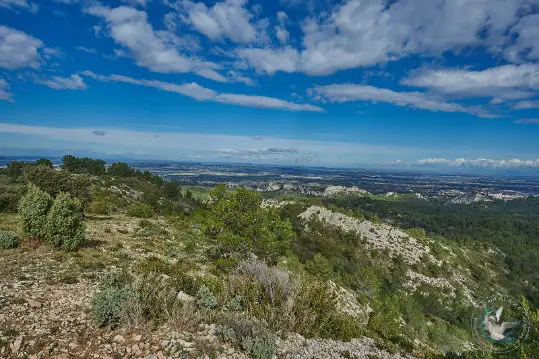
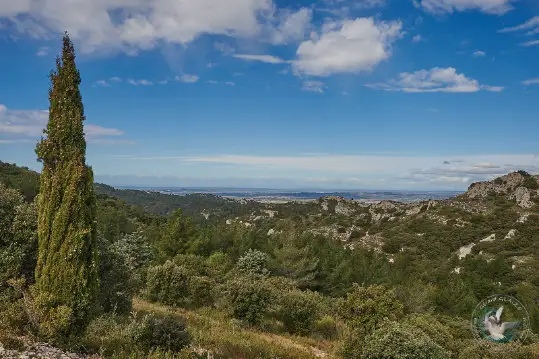
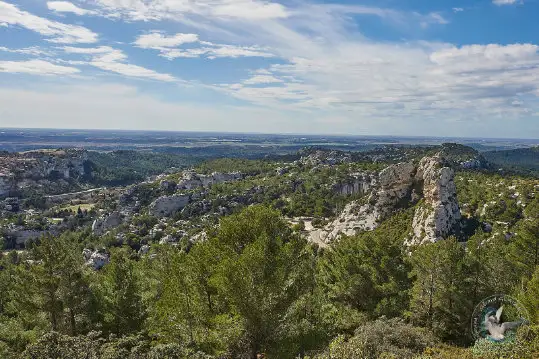
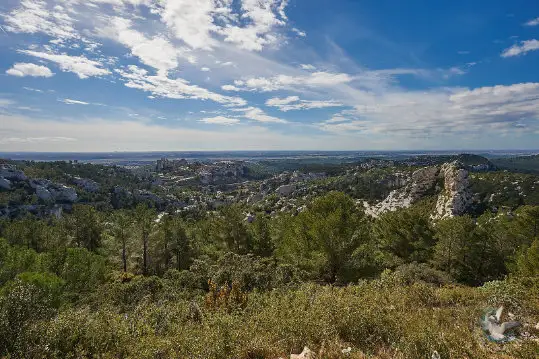
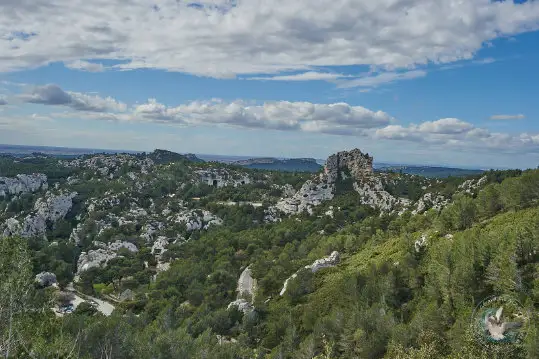
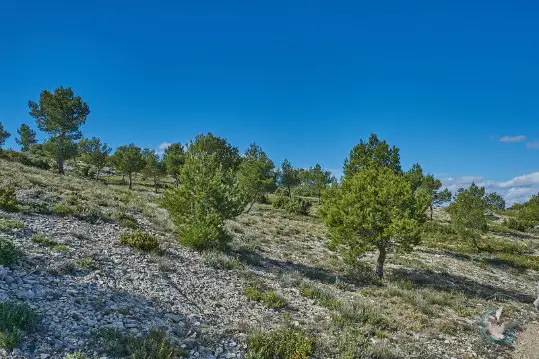
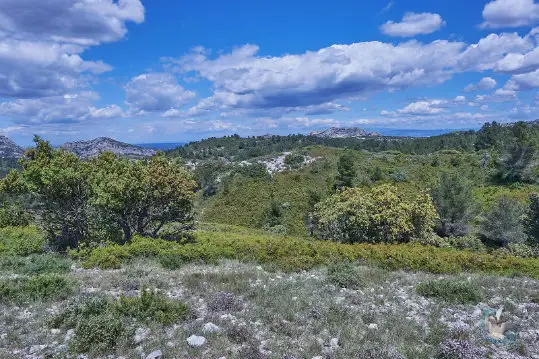
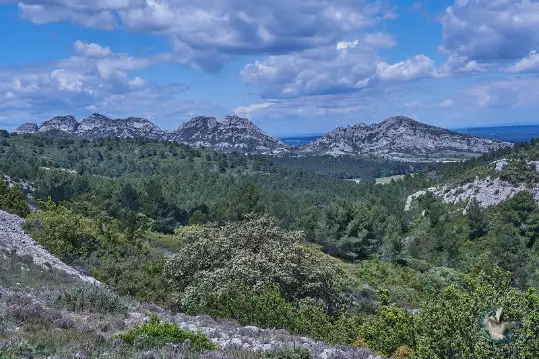
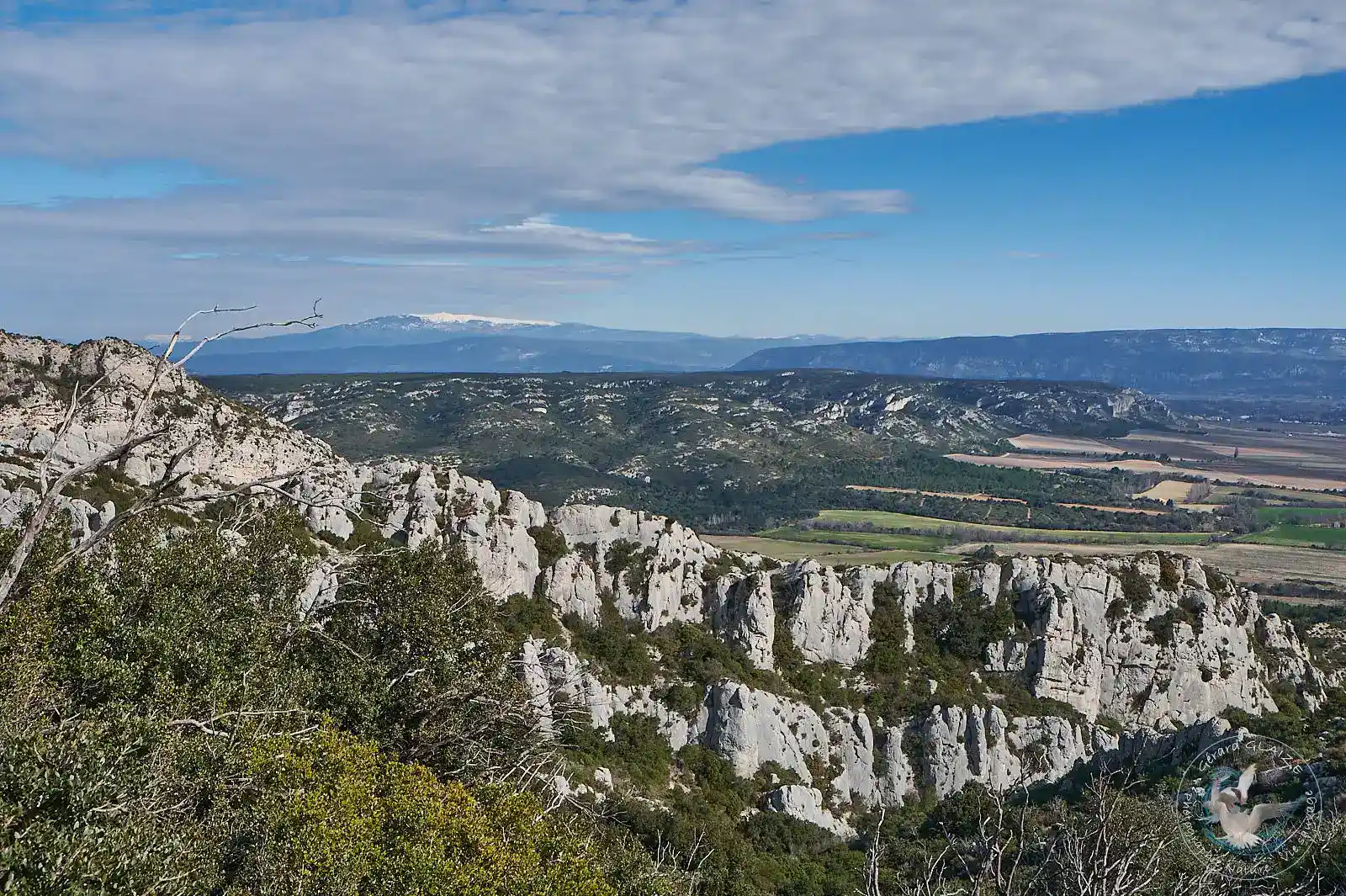
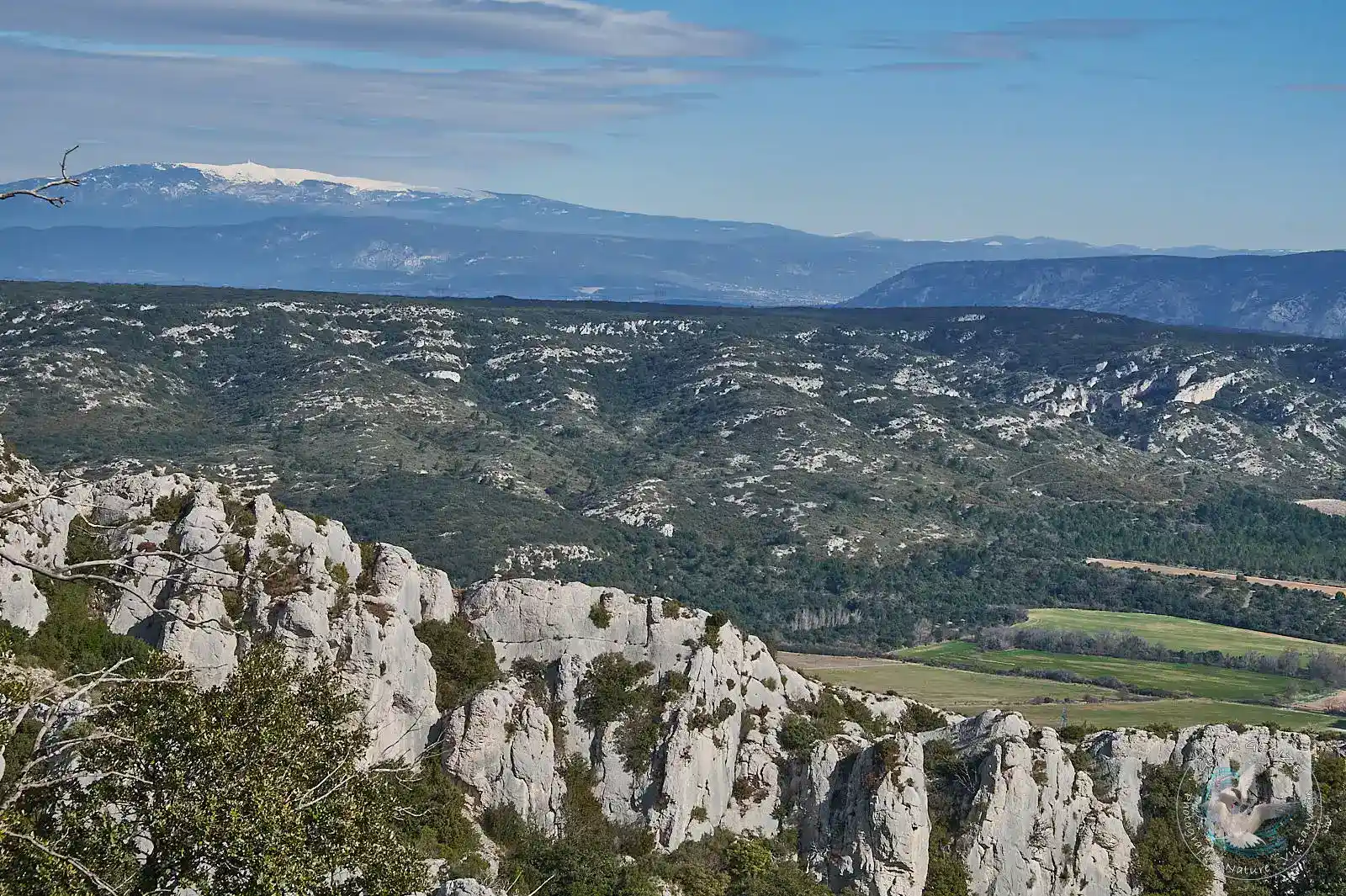
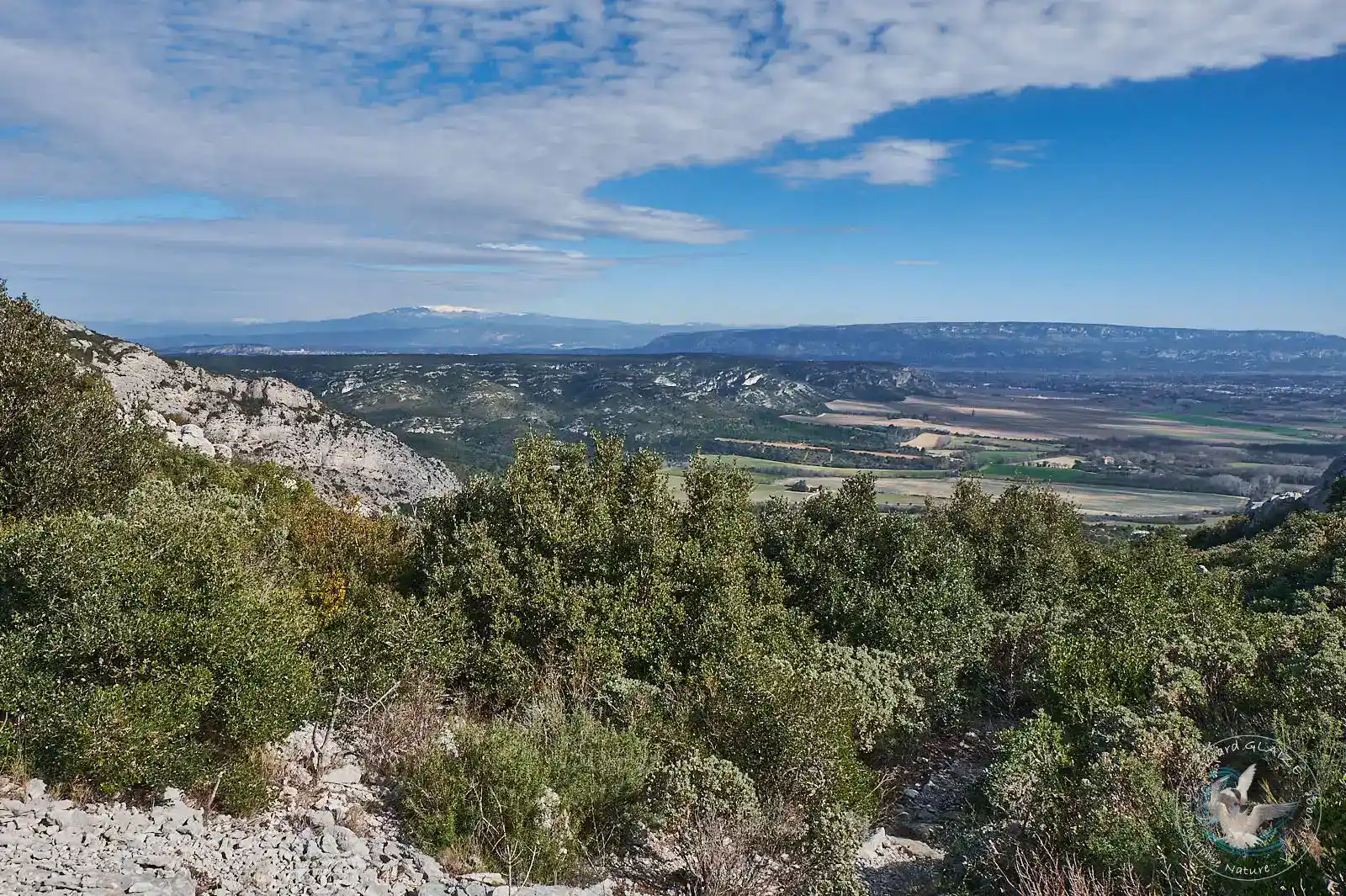
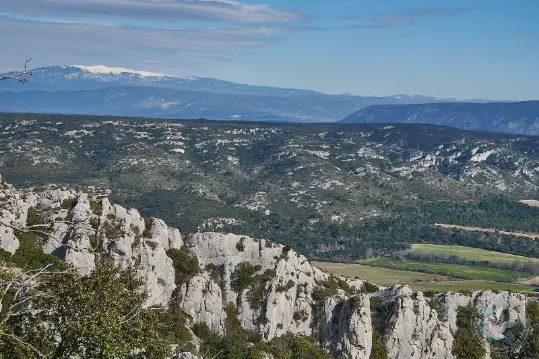
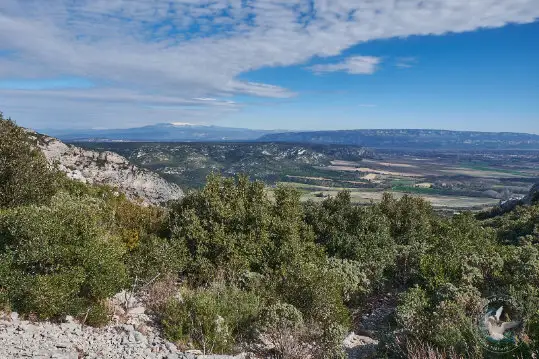
The Alpilles - Opies Massif
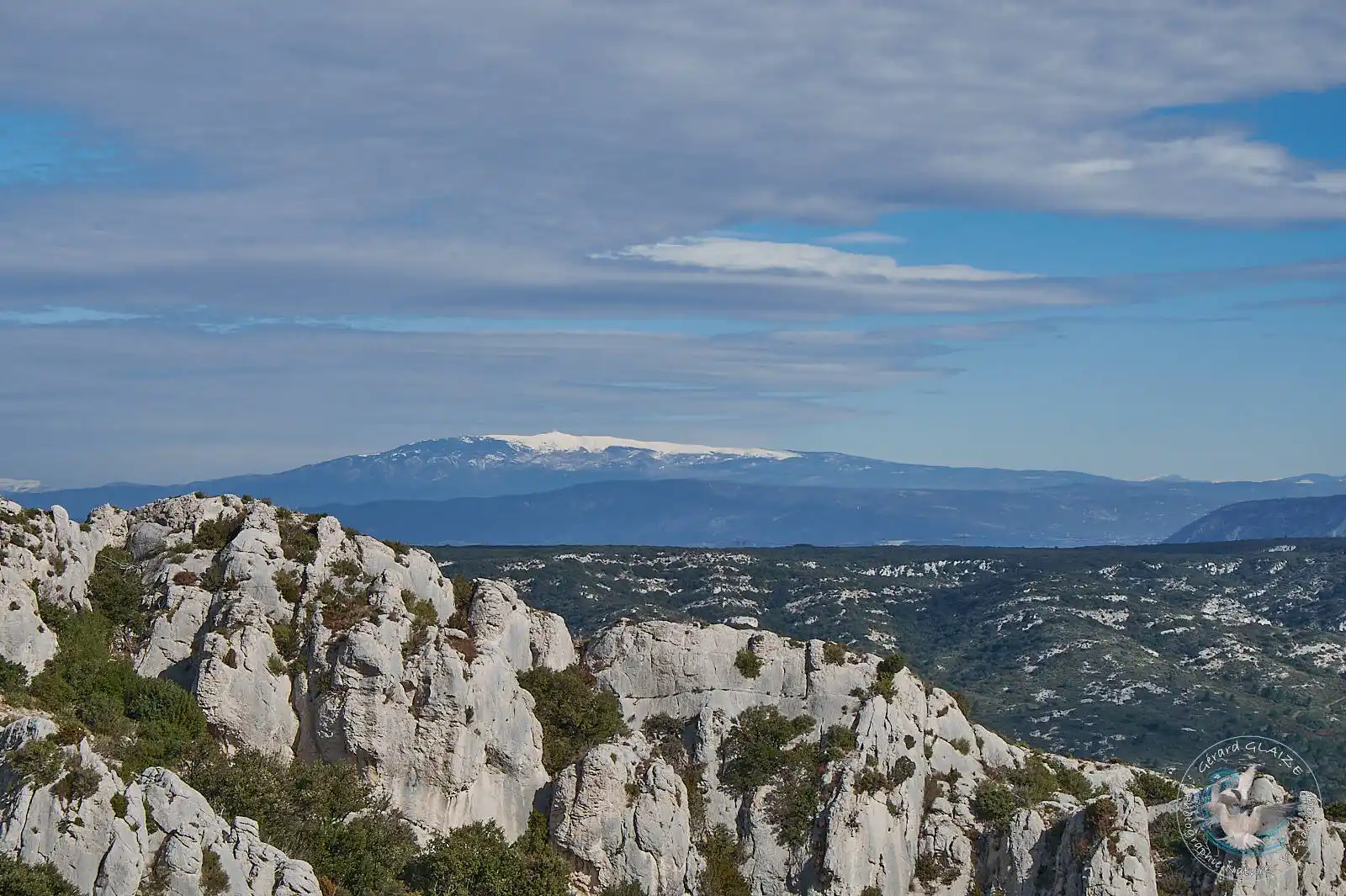
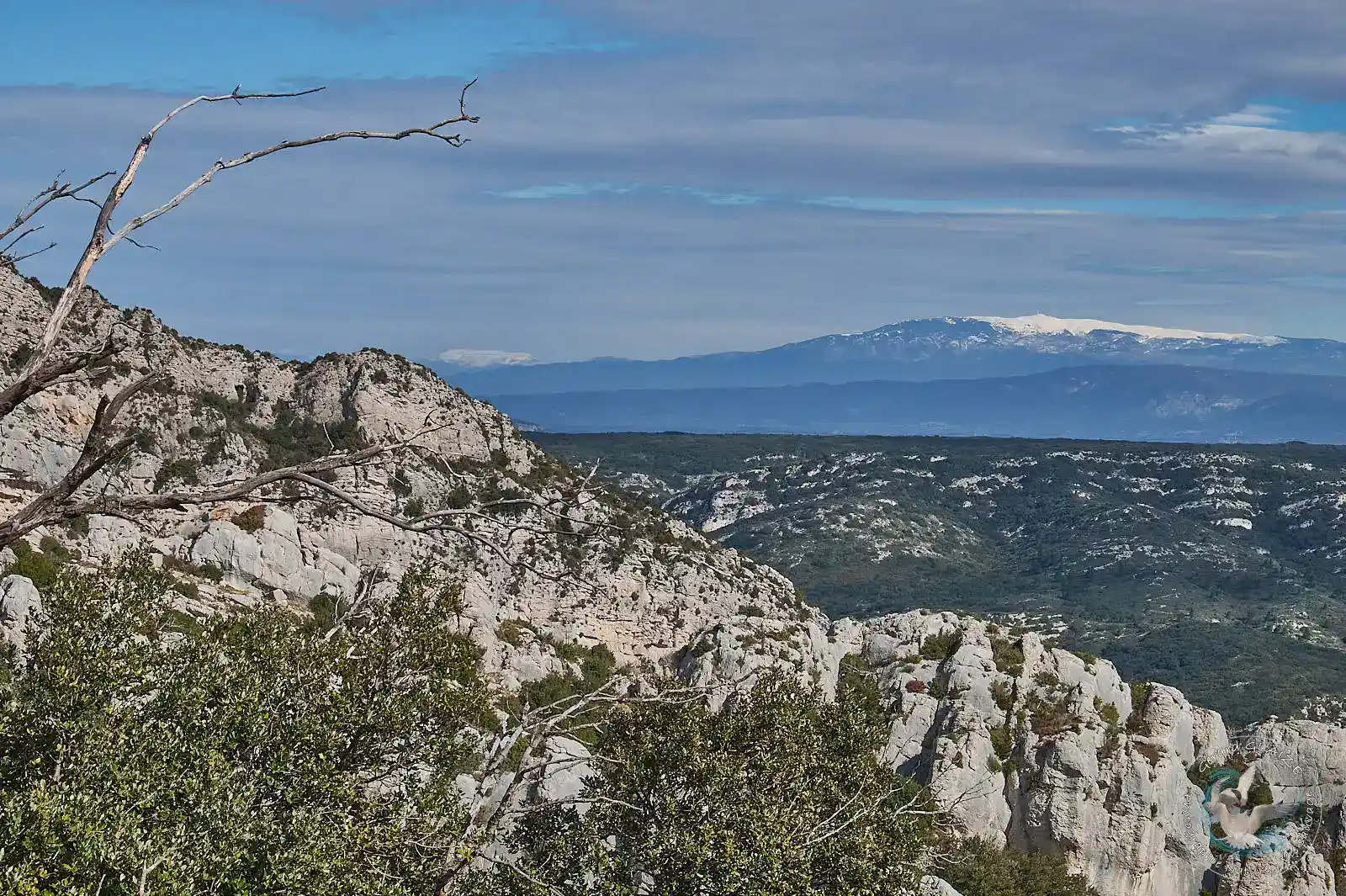
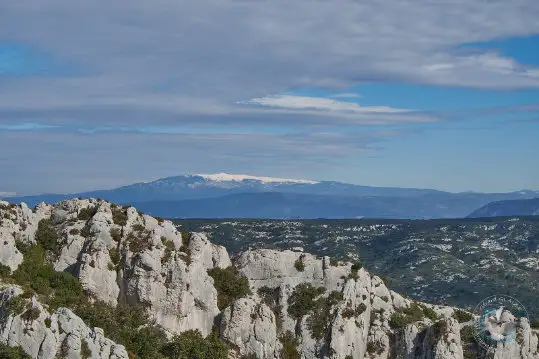
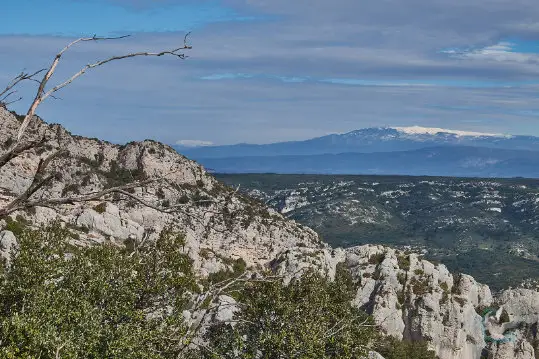
Opies is the highest point located at a height of 498 m in this chain of limestone hills. From its summit, you will discover a magnificent view of the giant of Provence, Mont Ventoux.
Three hiking trails lead to Les Opies. :
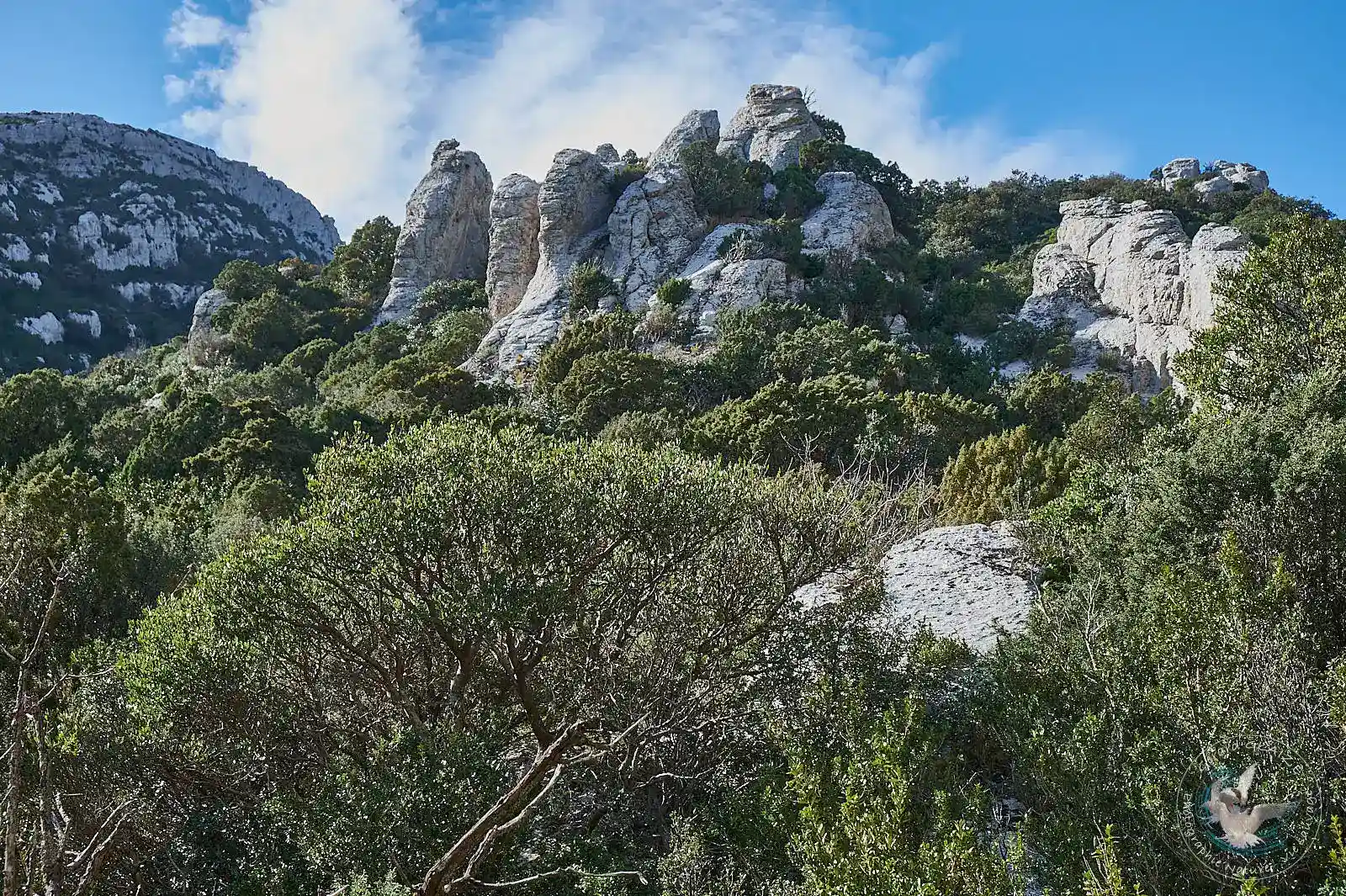
Remarkable points
Remarkable points to see in the Alpilles massif :
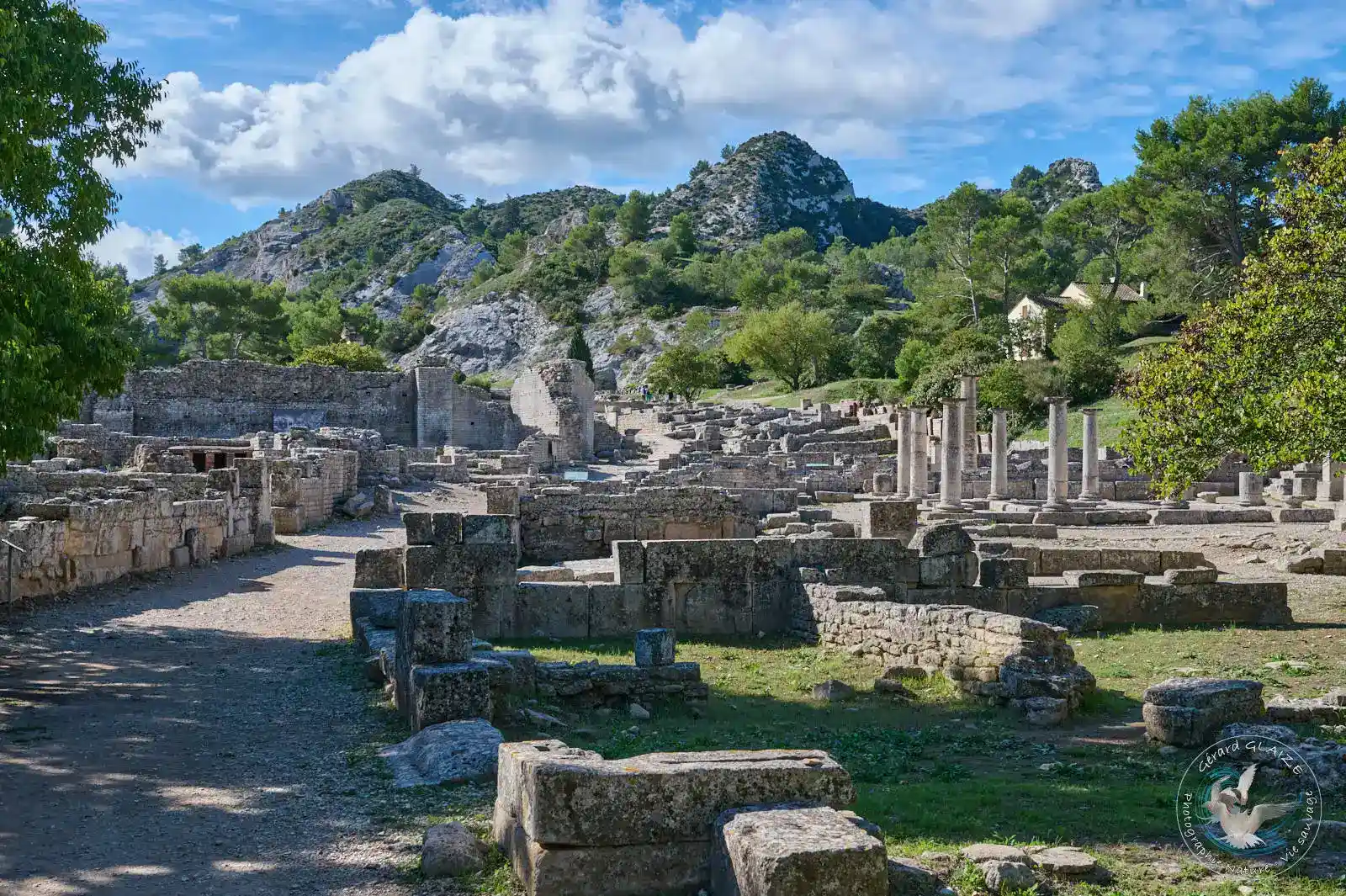
Archaeological site of Glanum
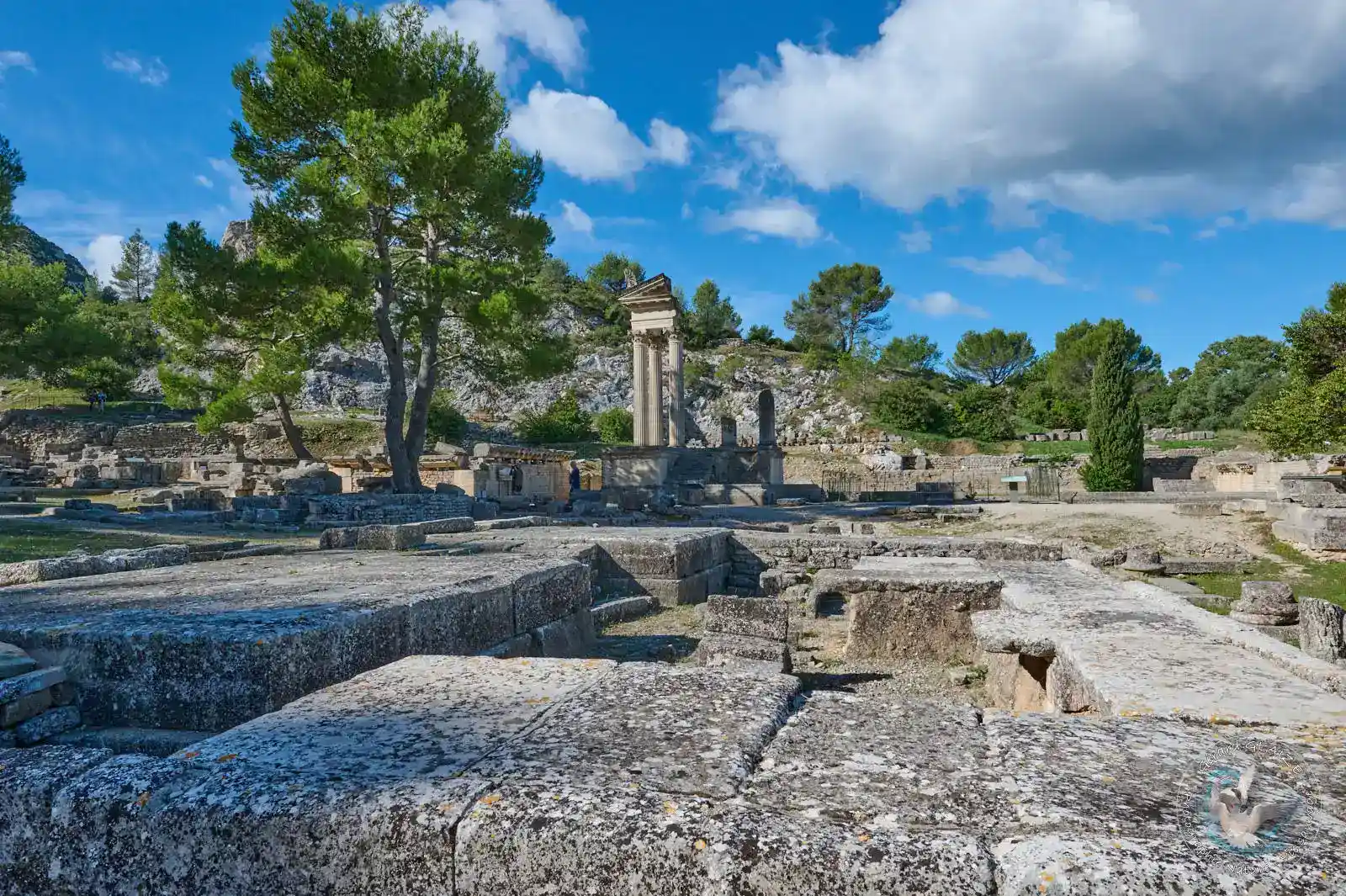
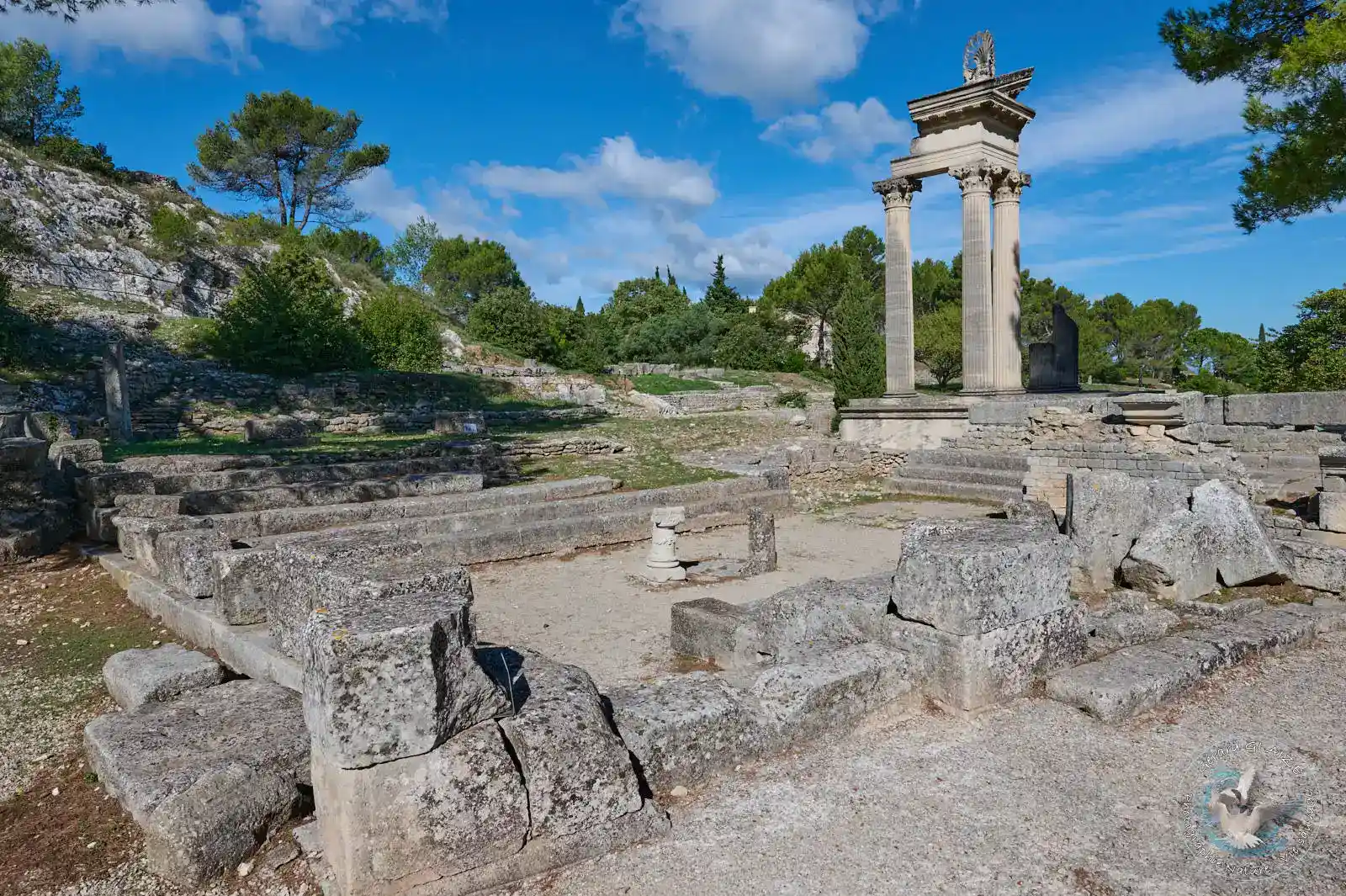
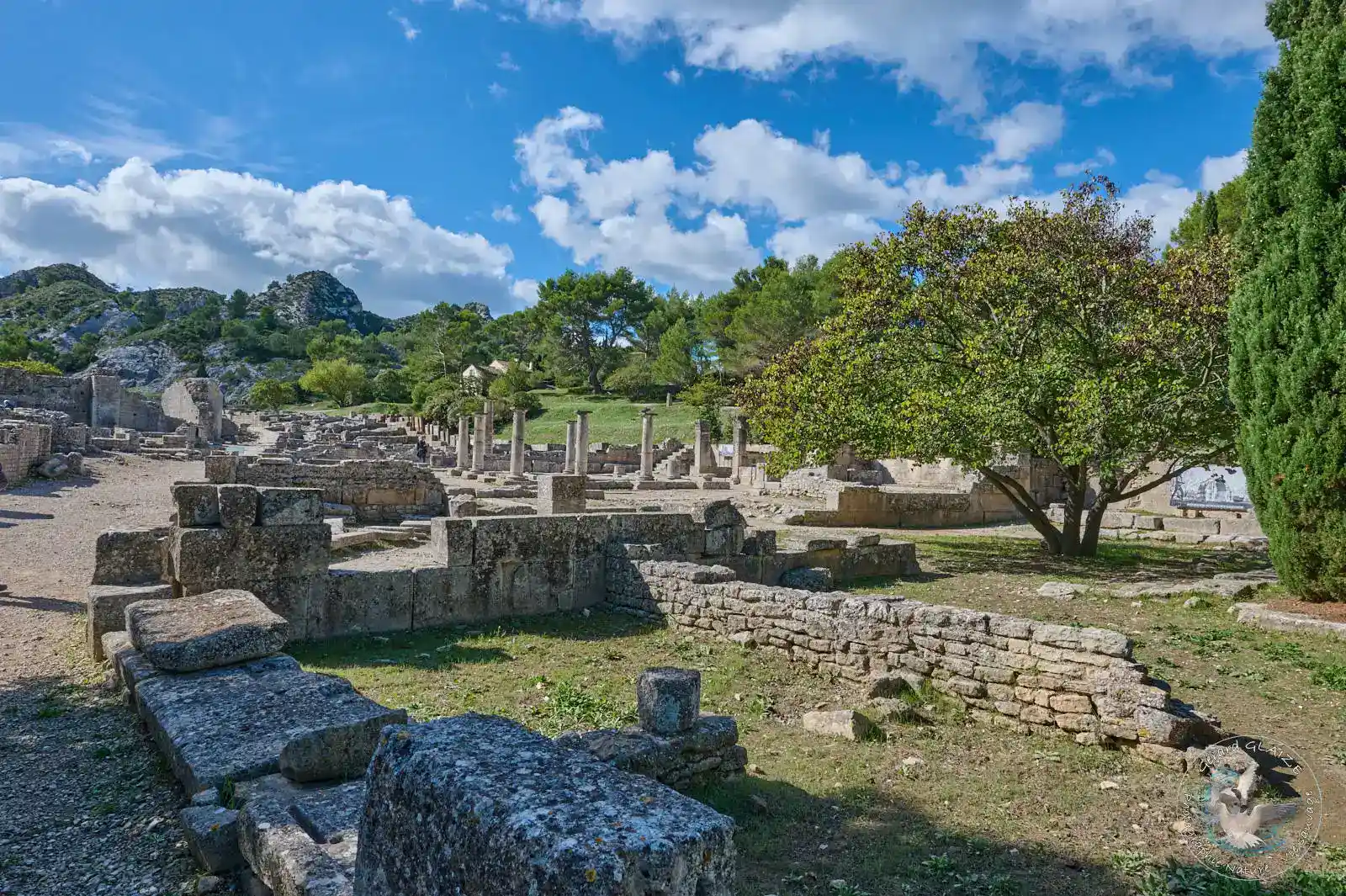
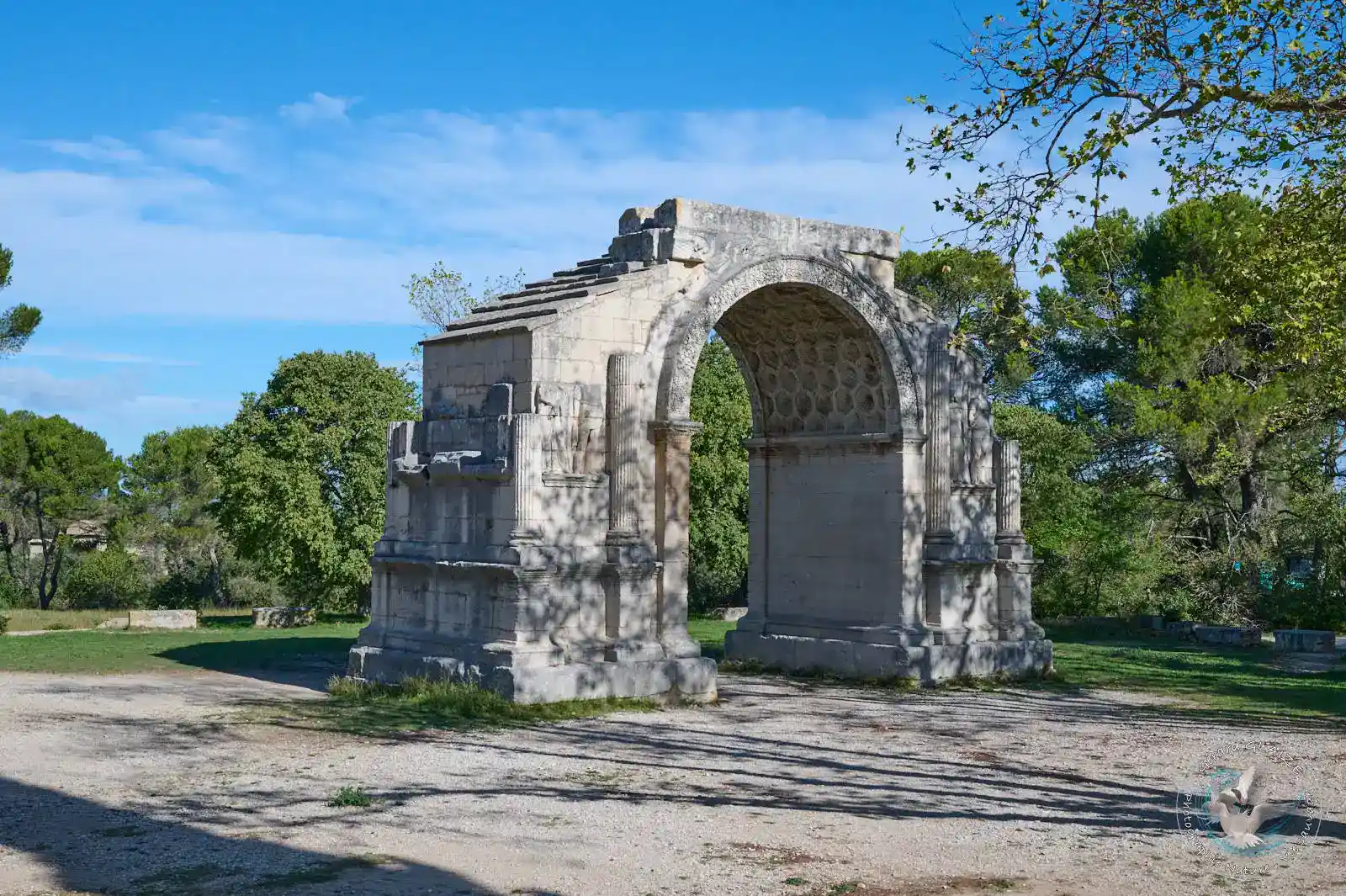
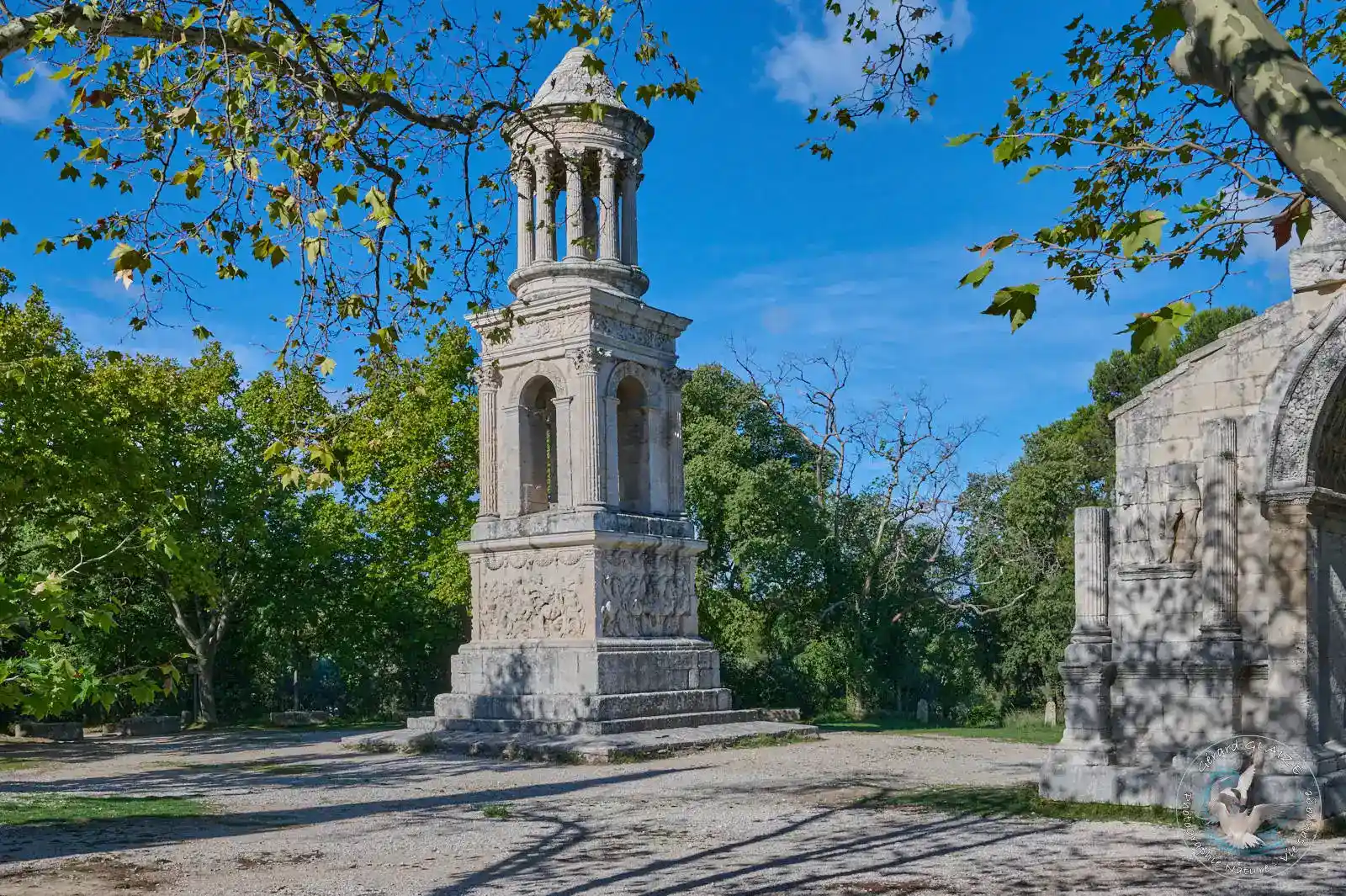
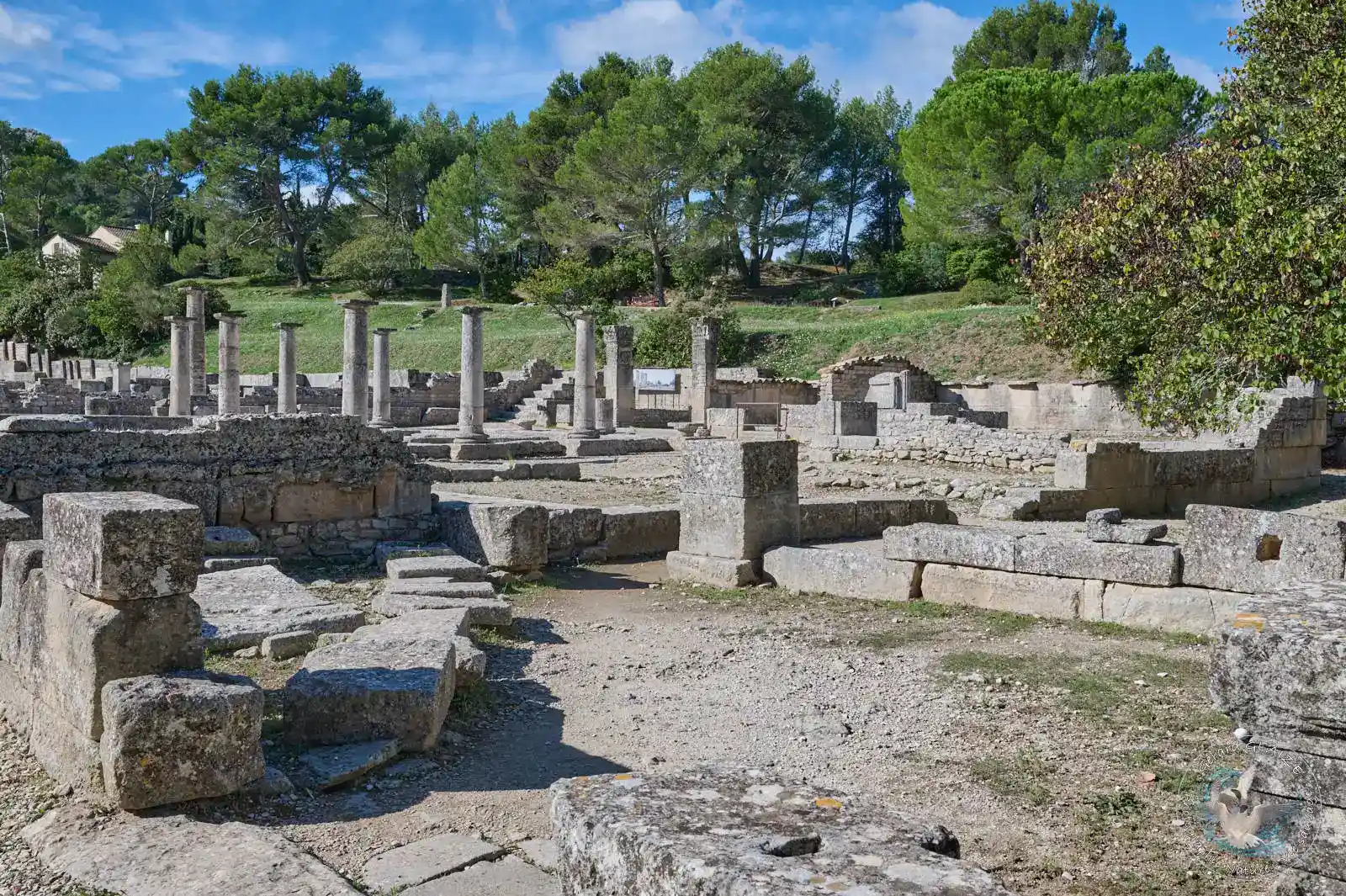
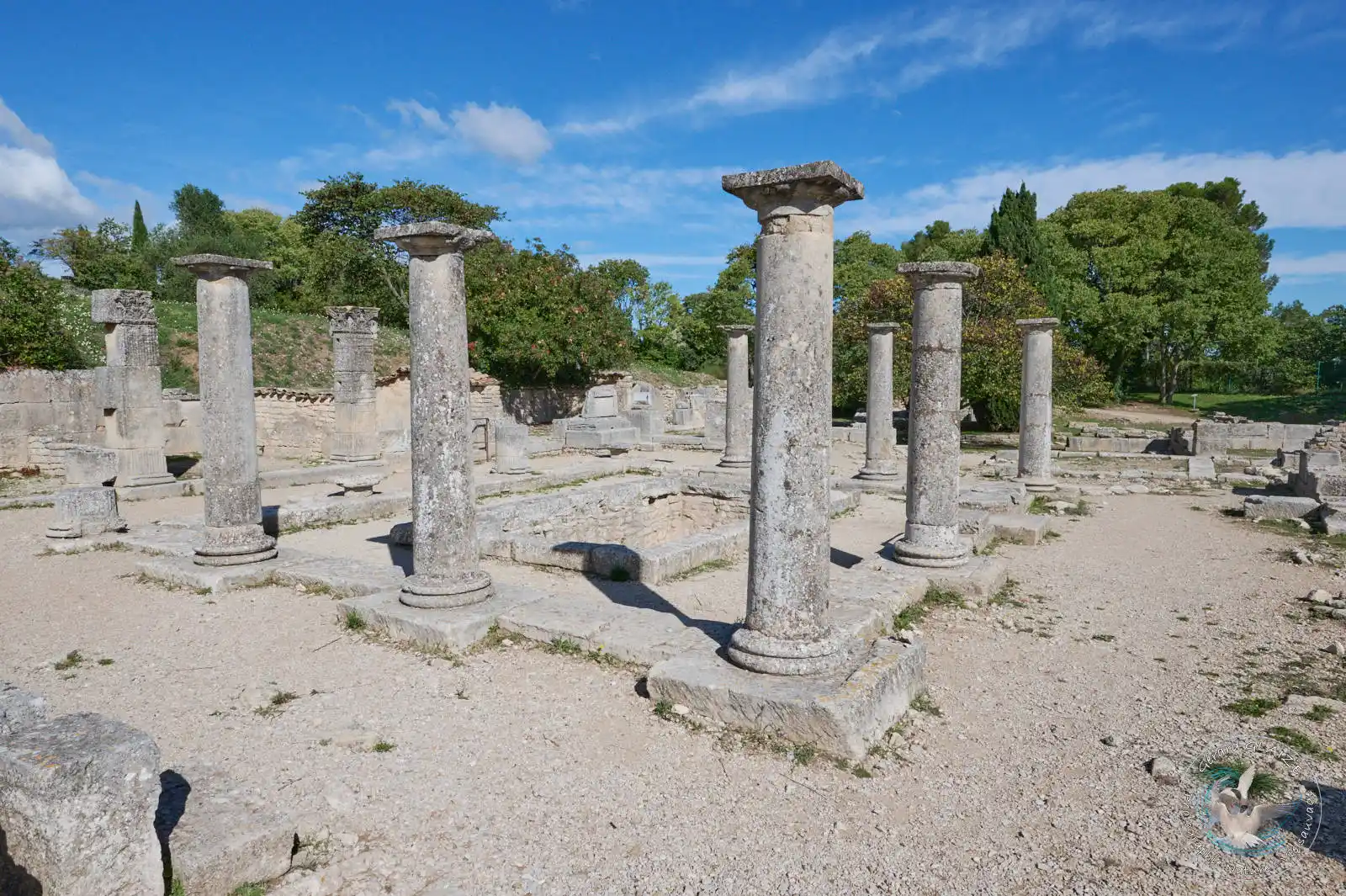
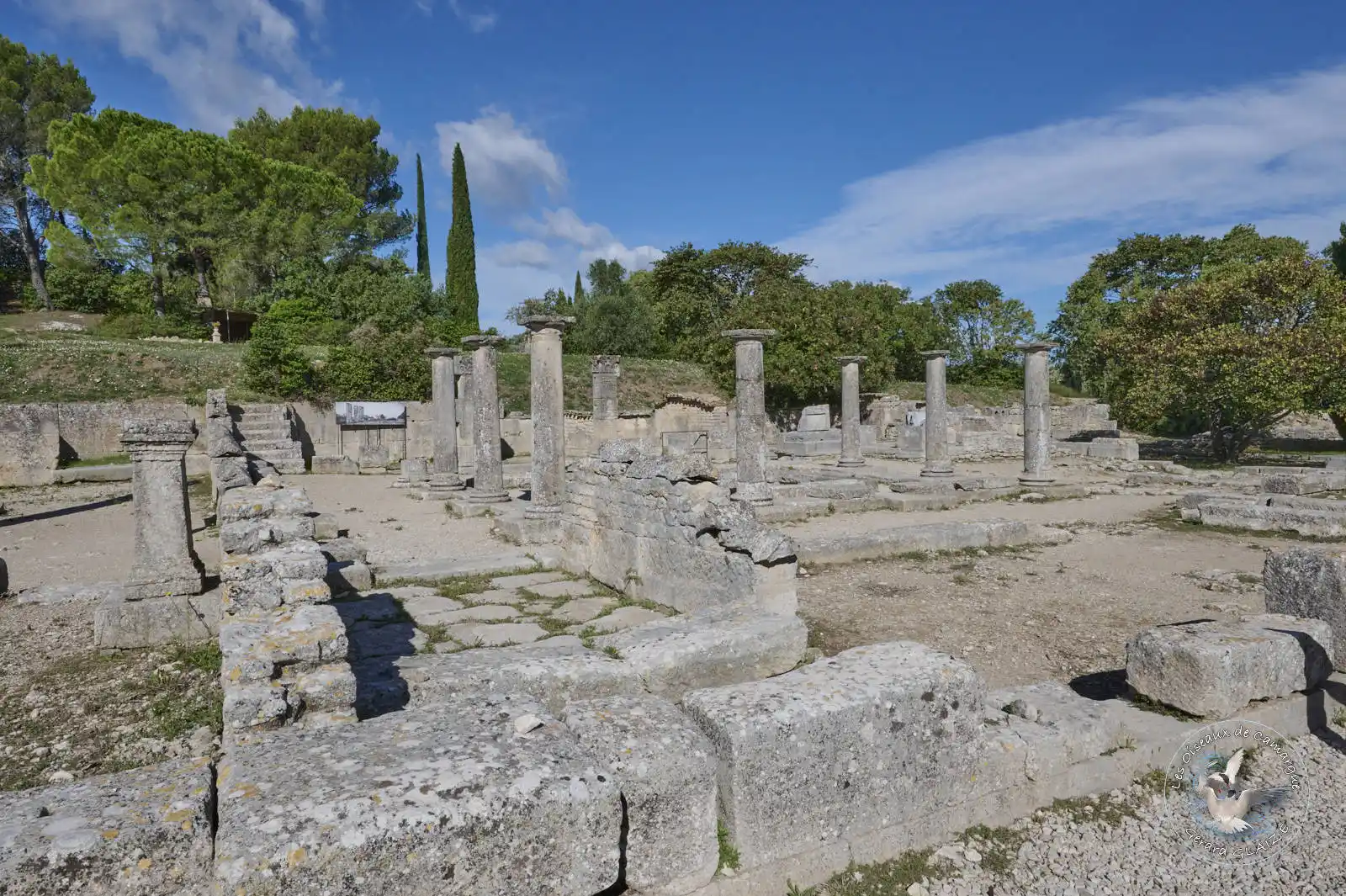
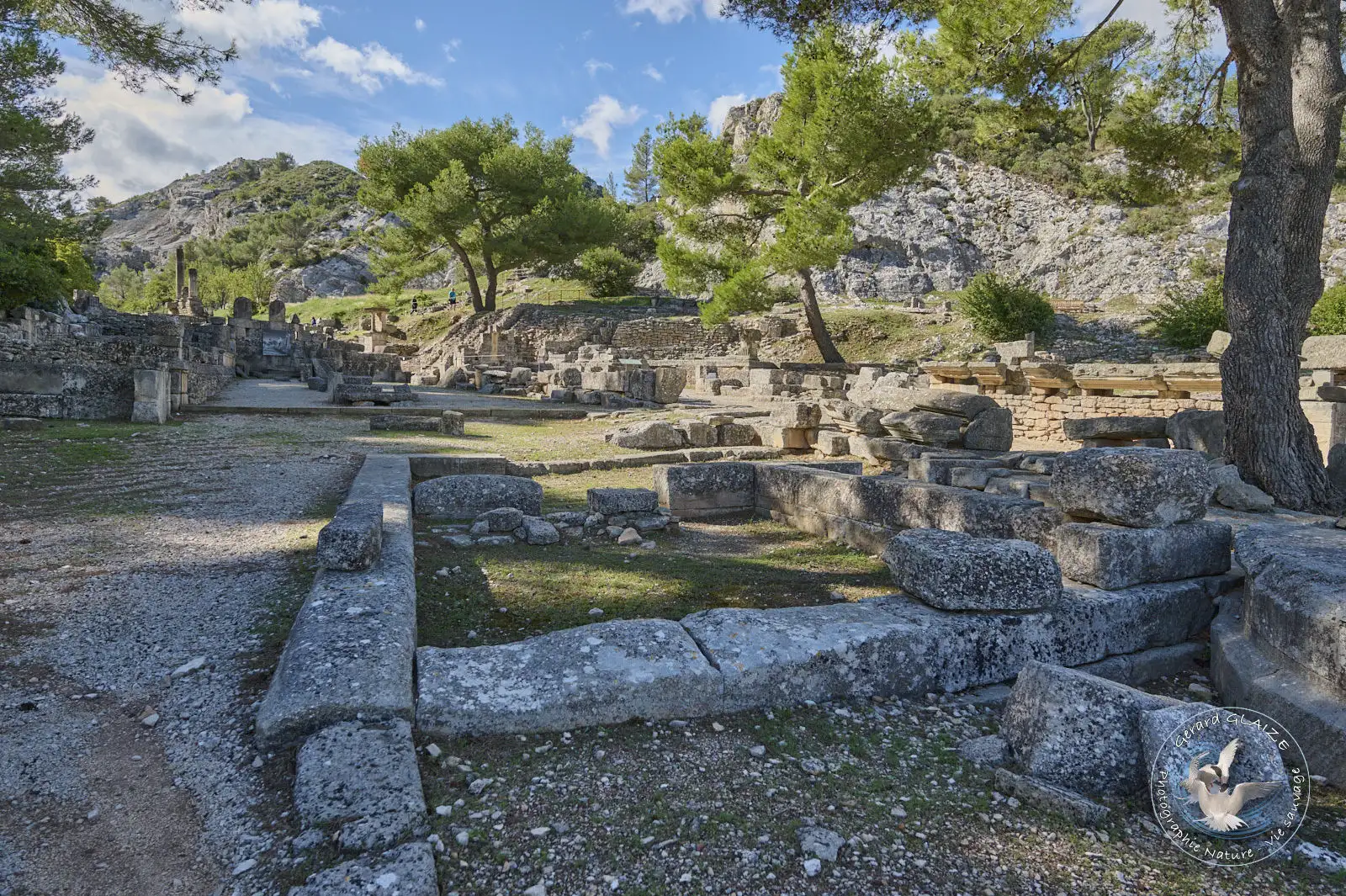
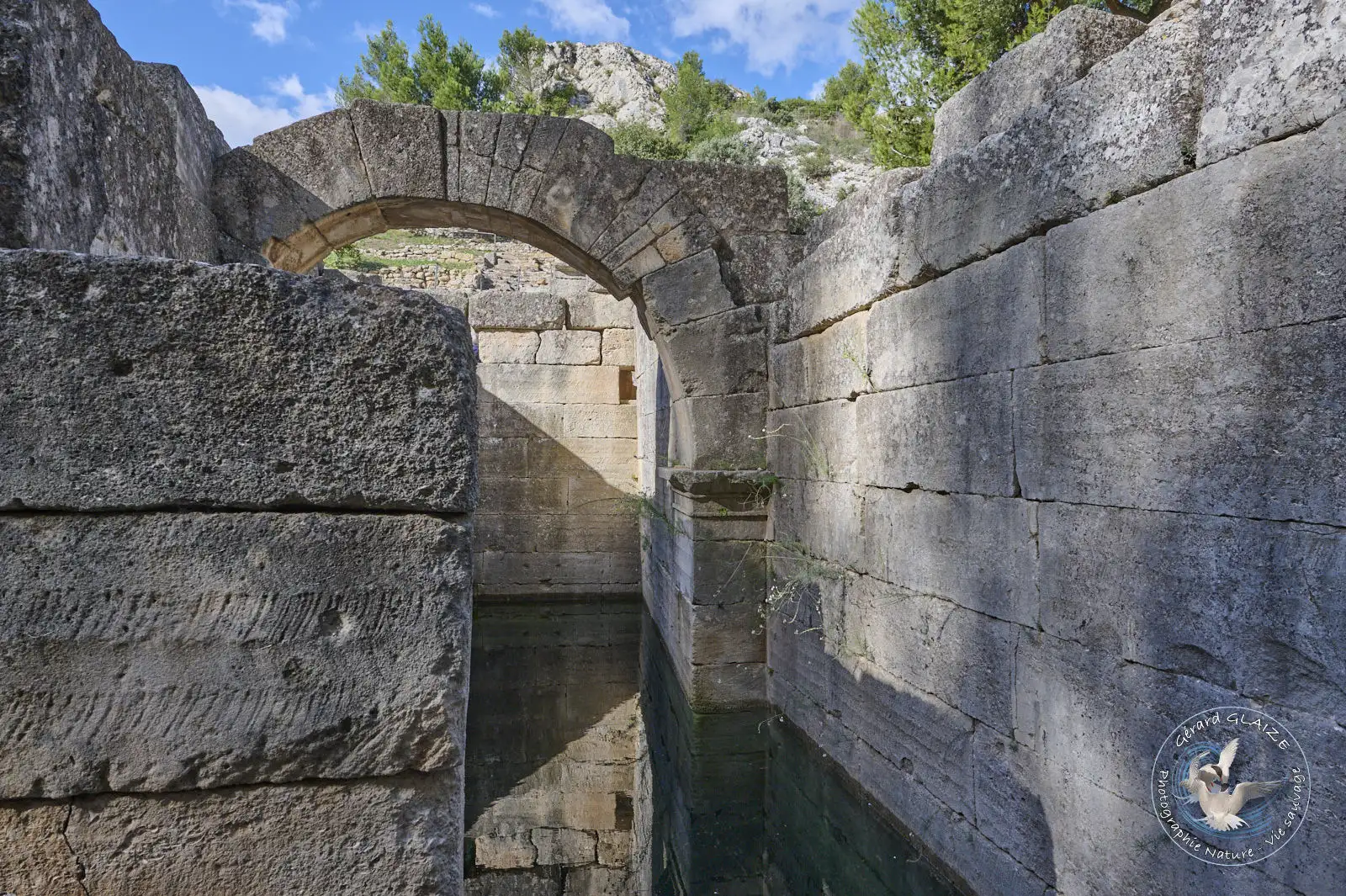
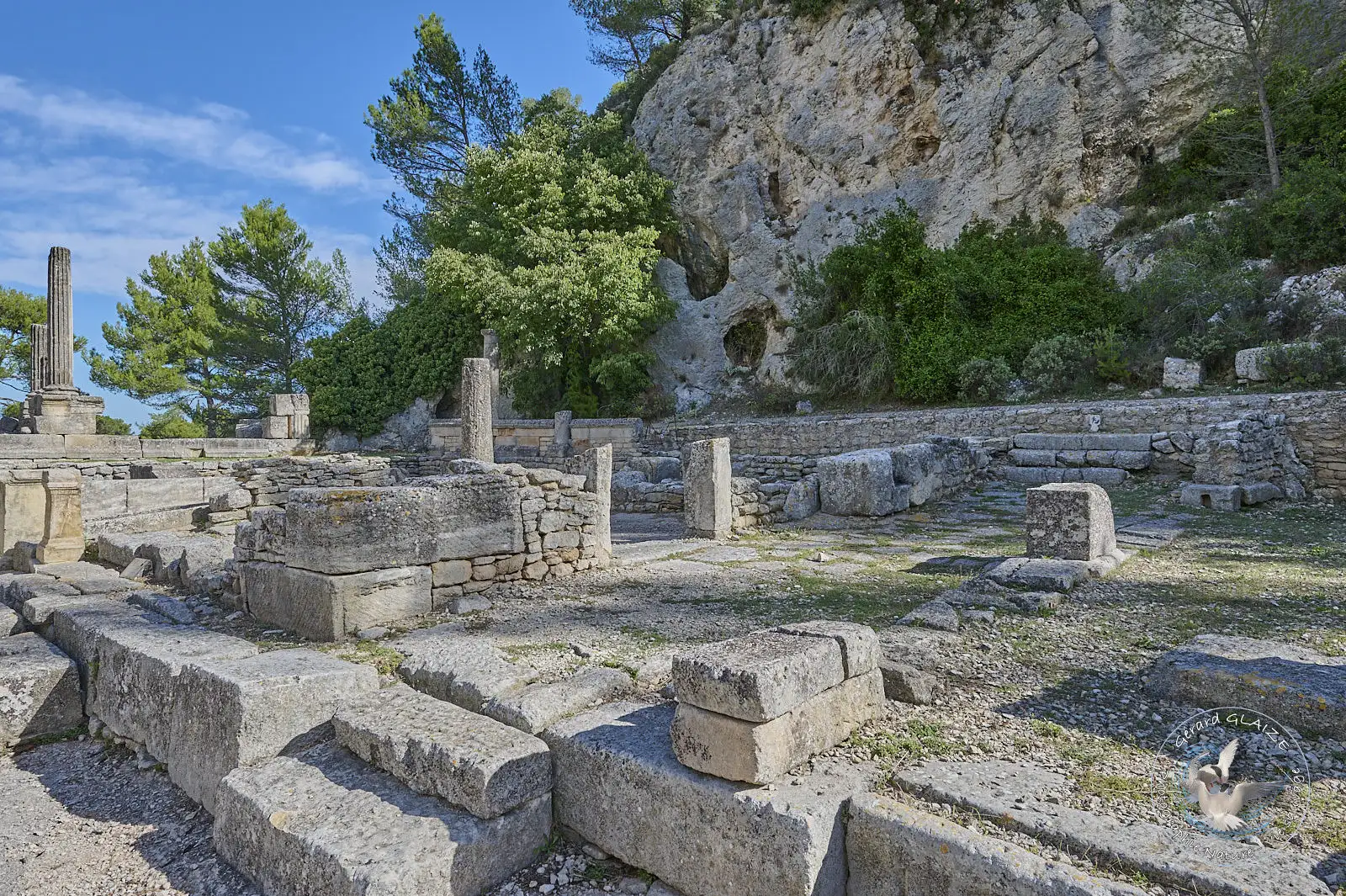
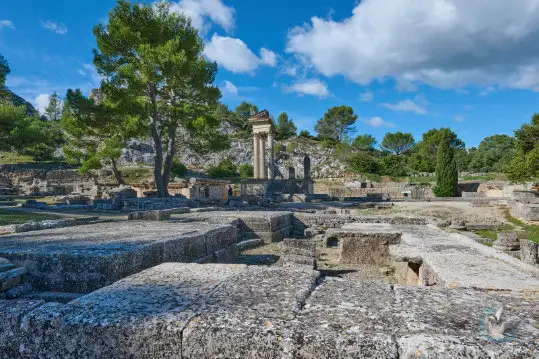
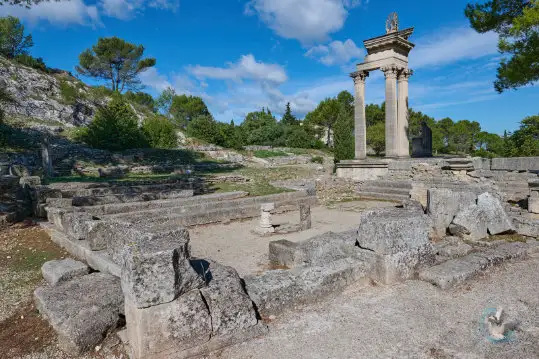
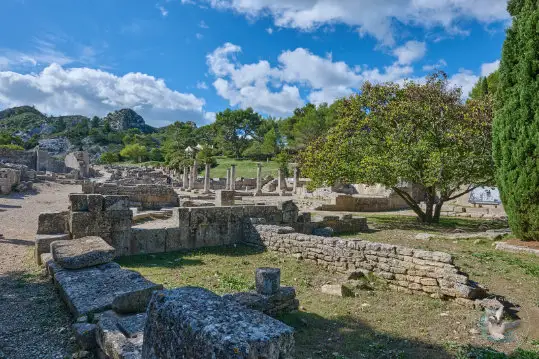
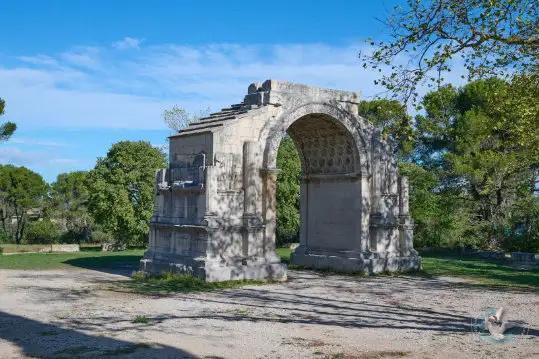
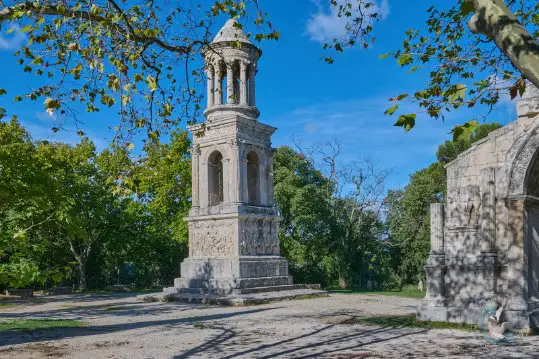
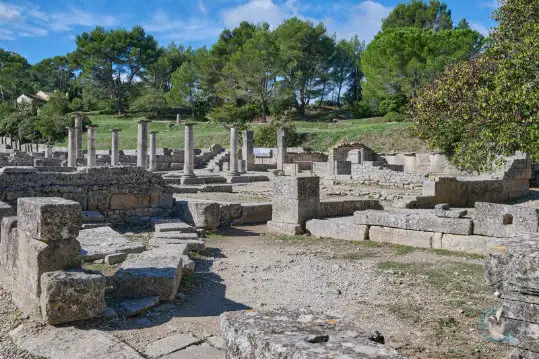
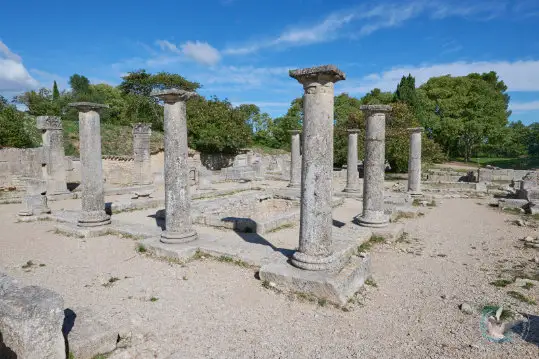
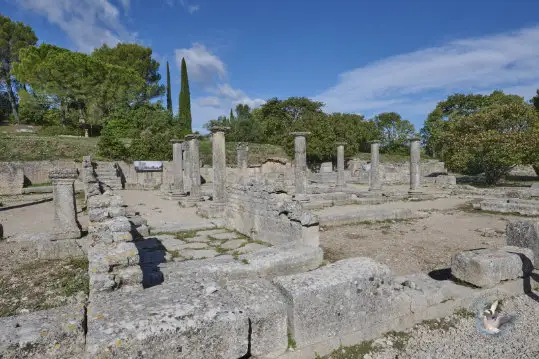
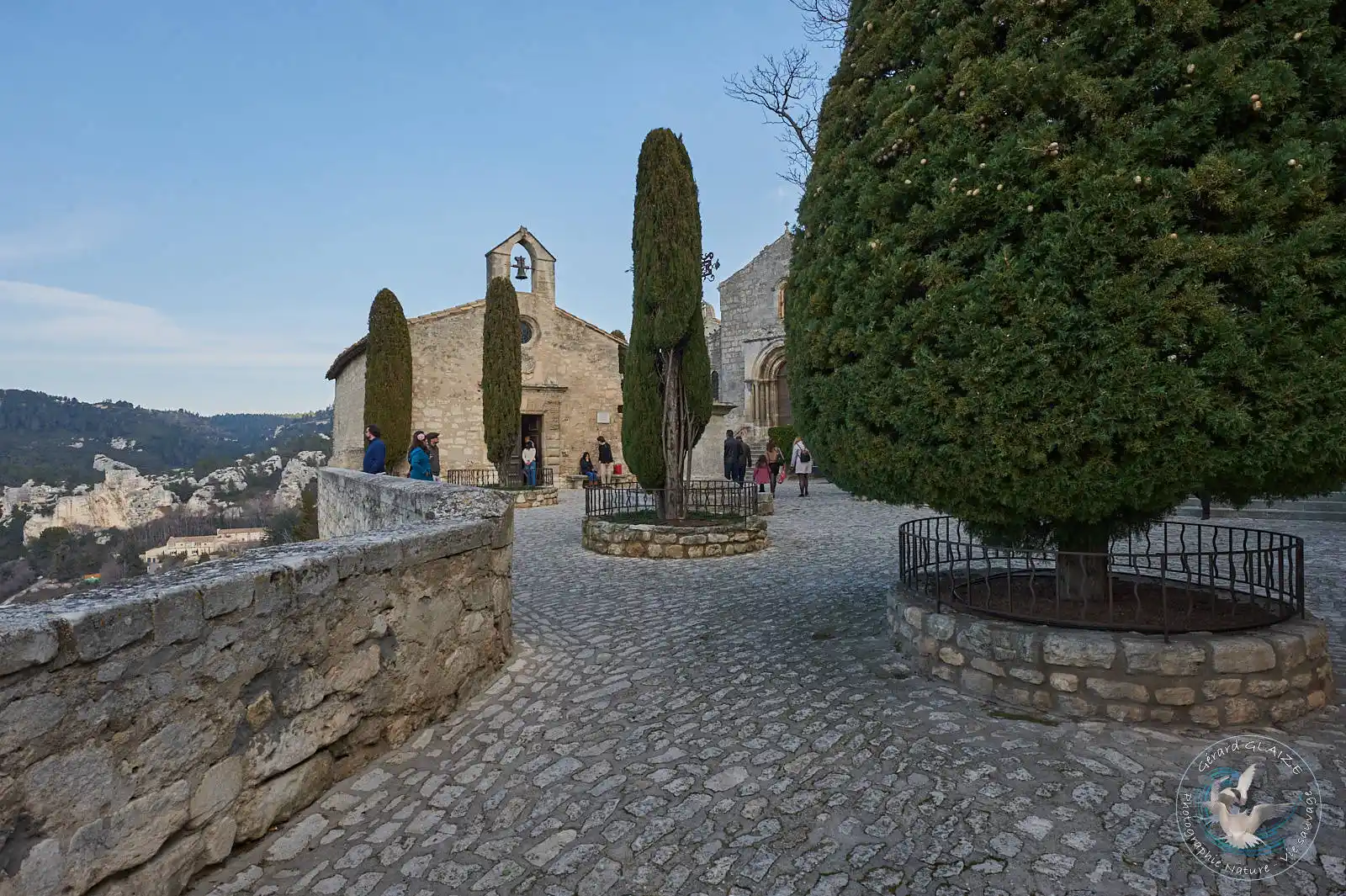
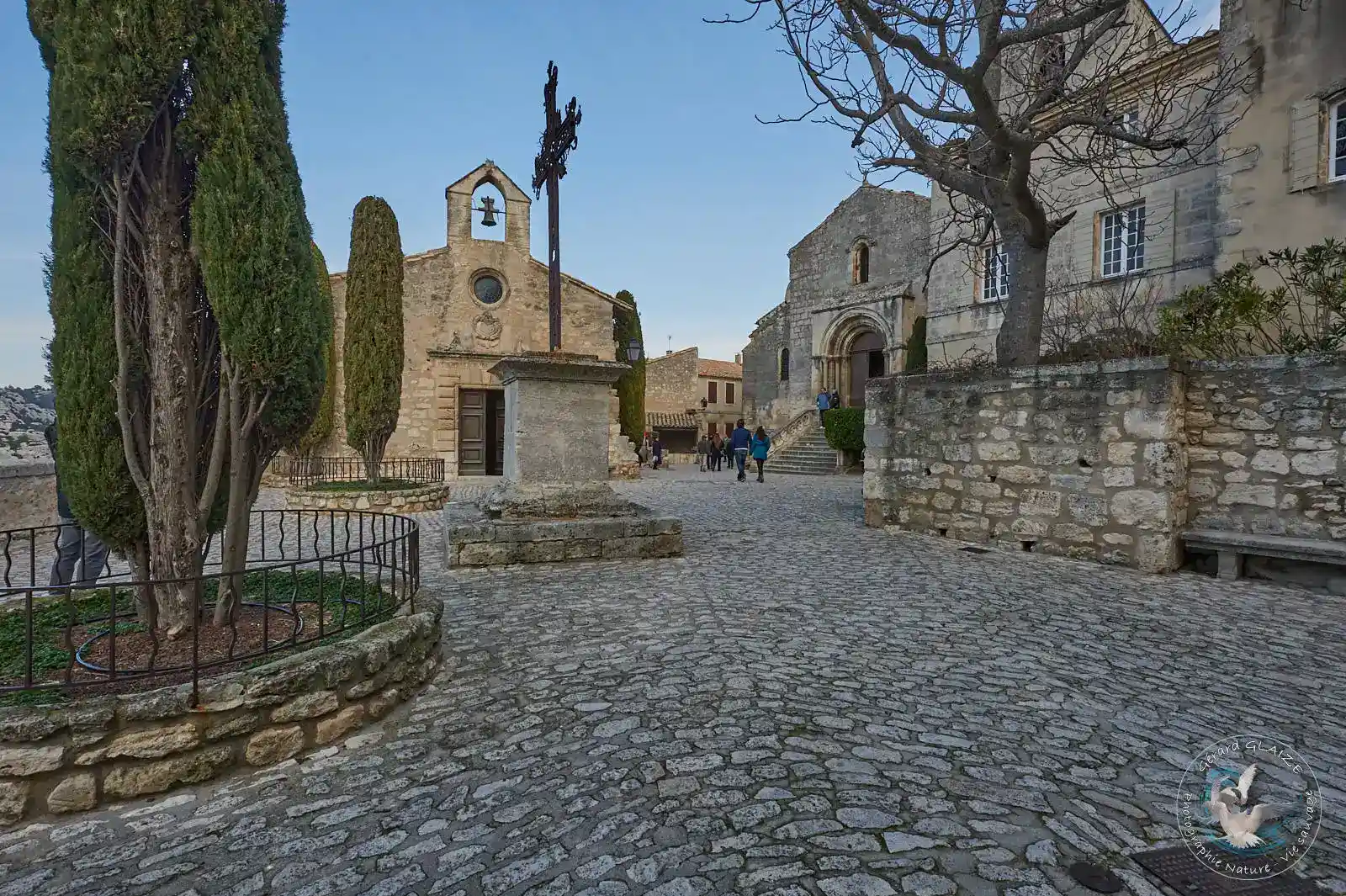
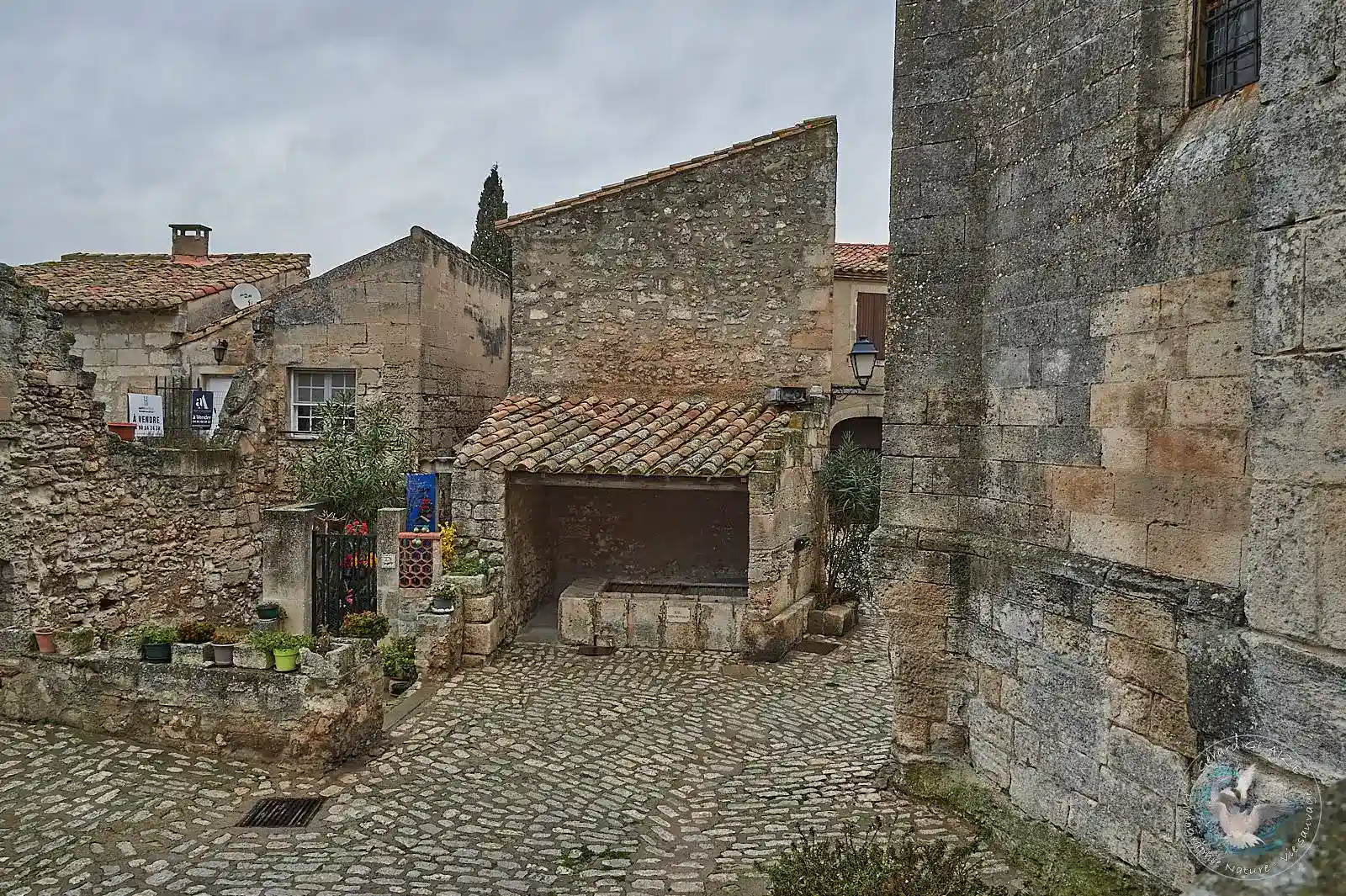
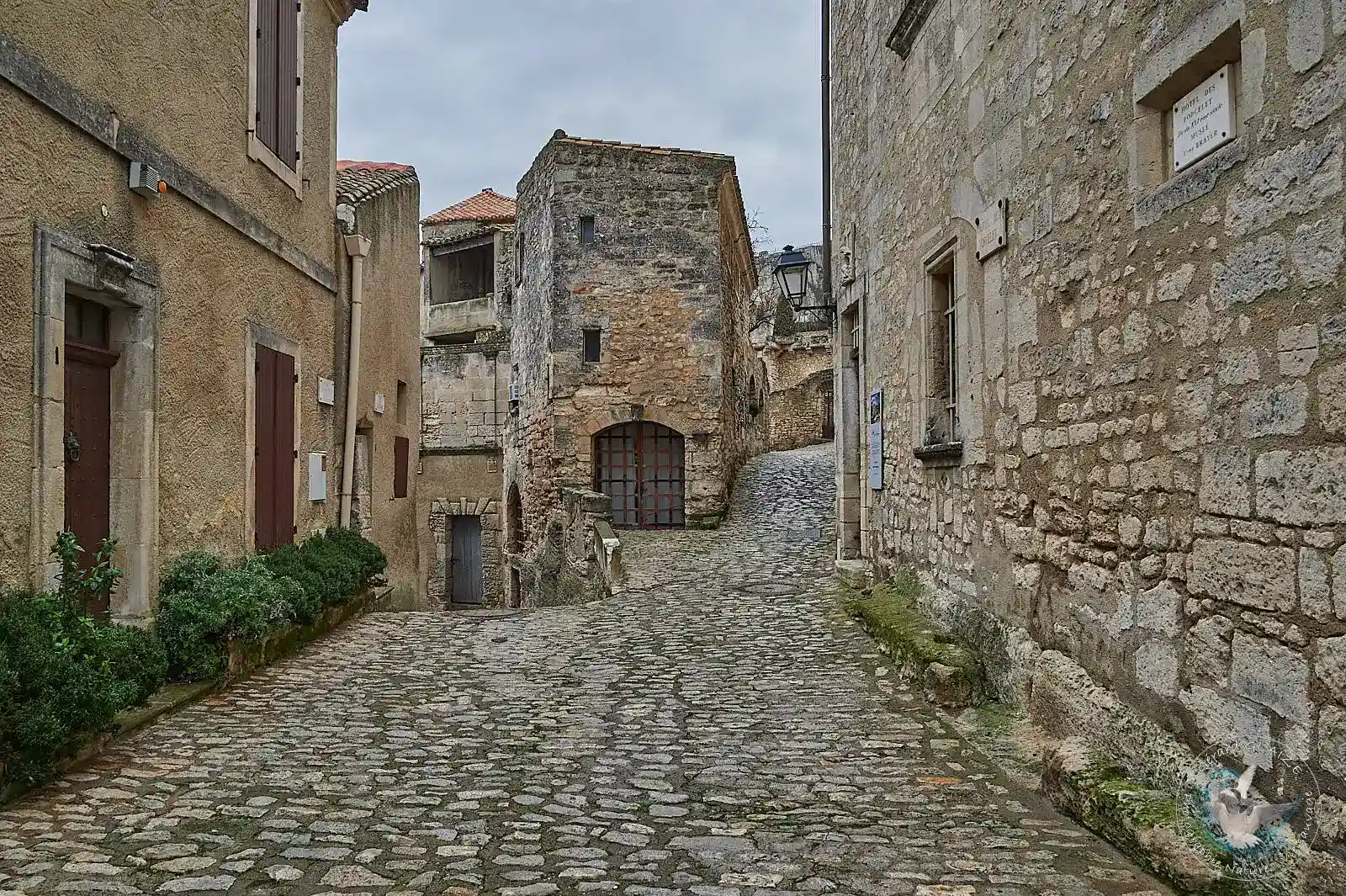
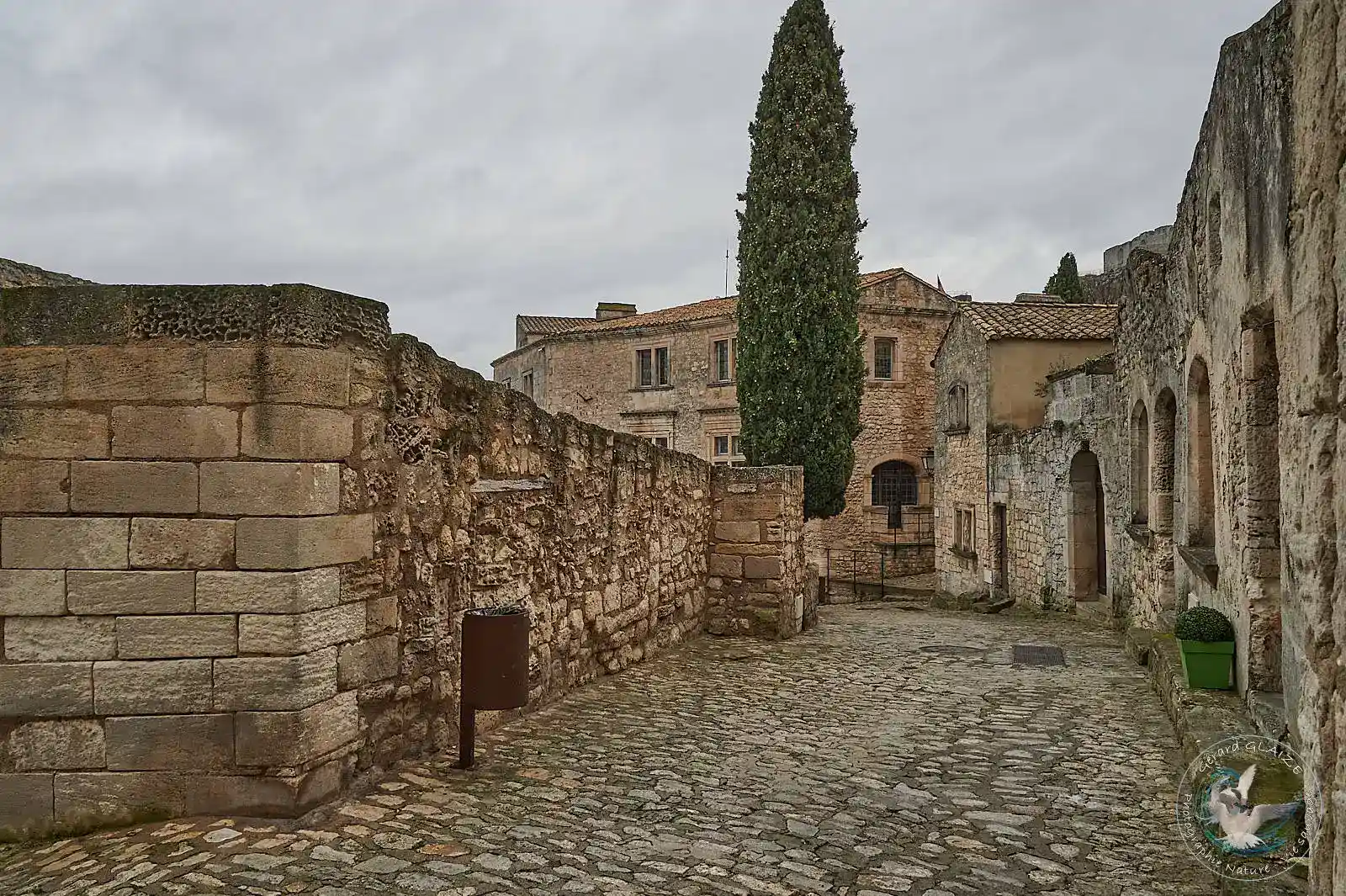
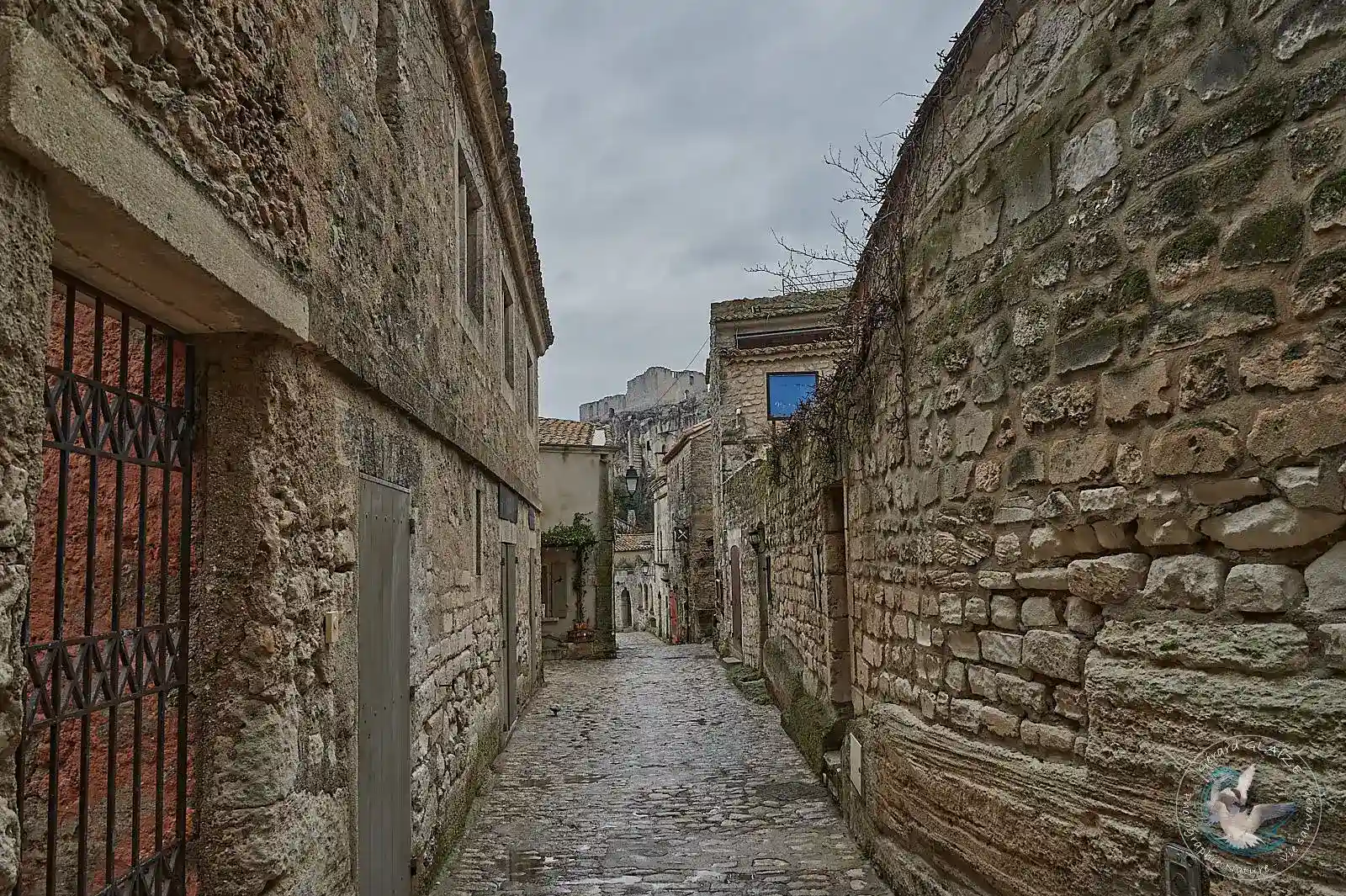
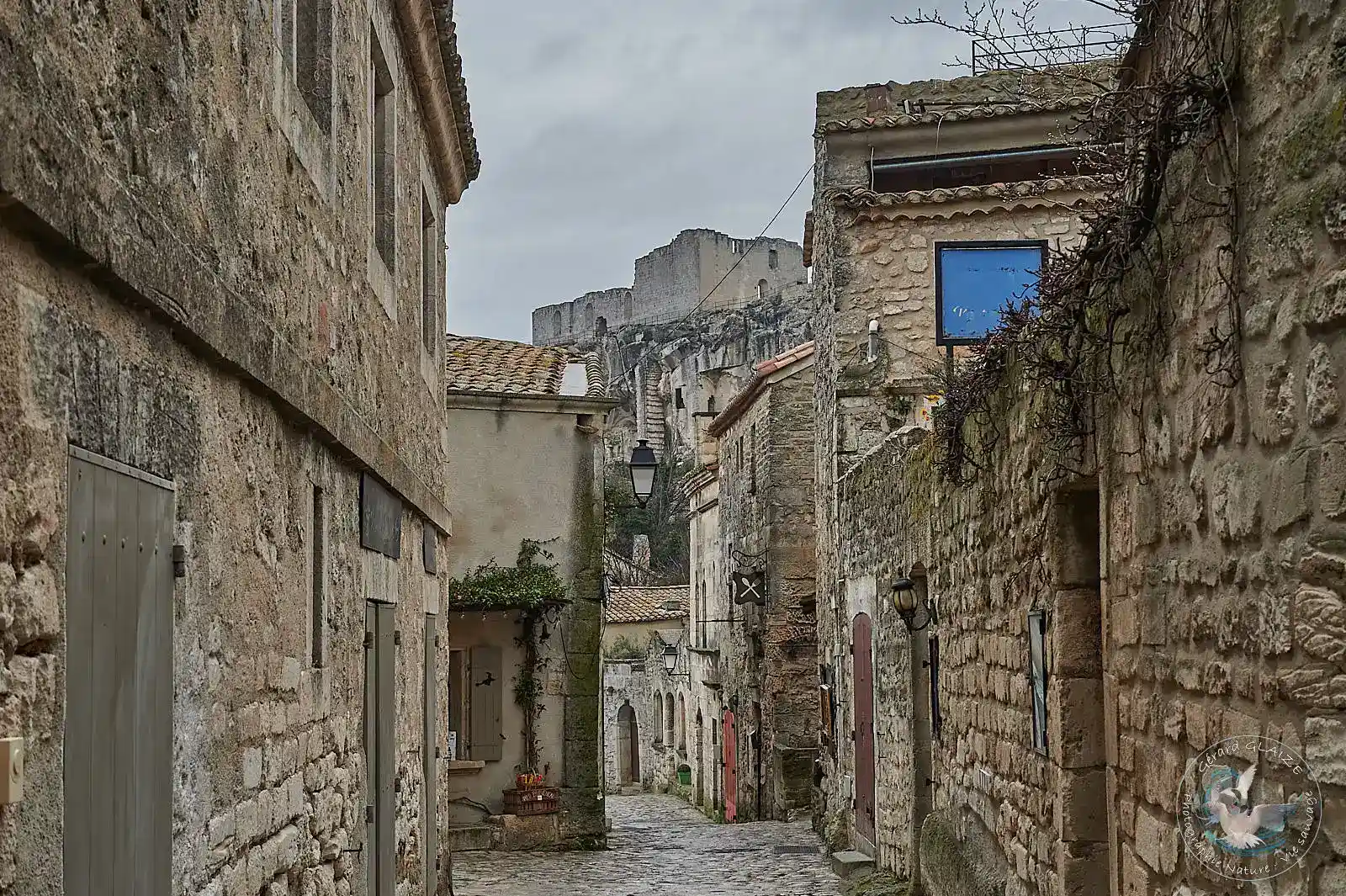
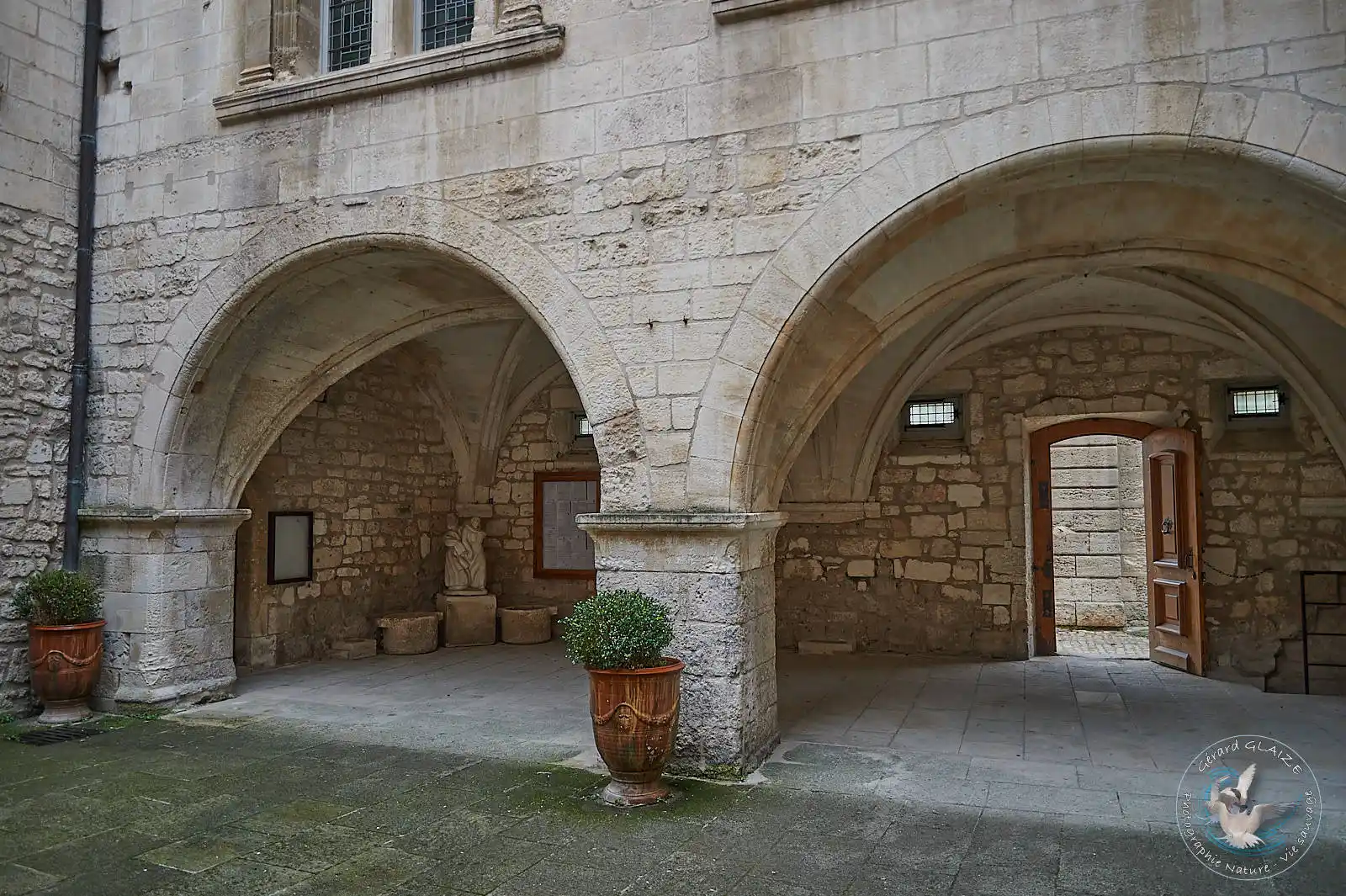
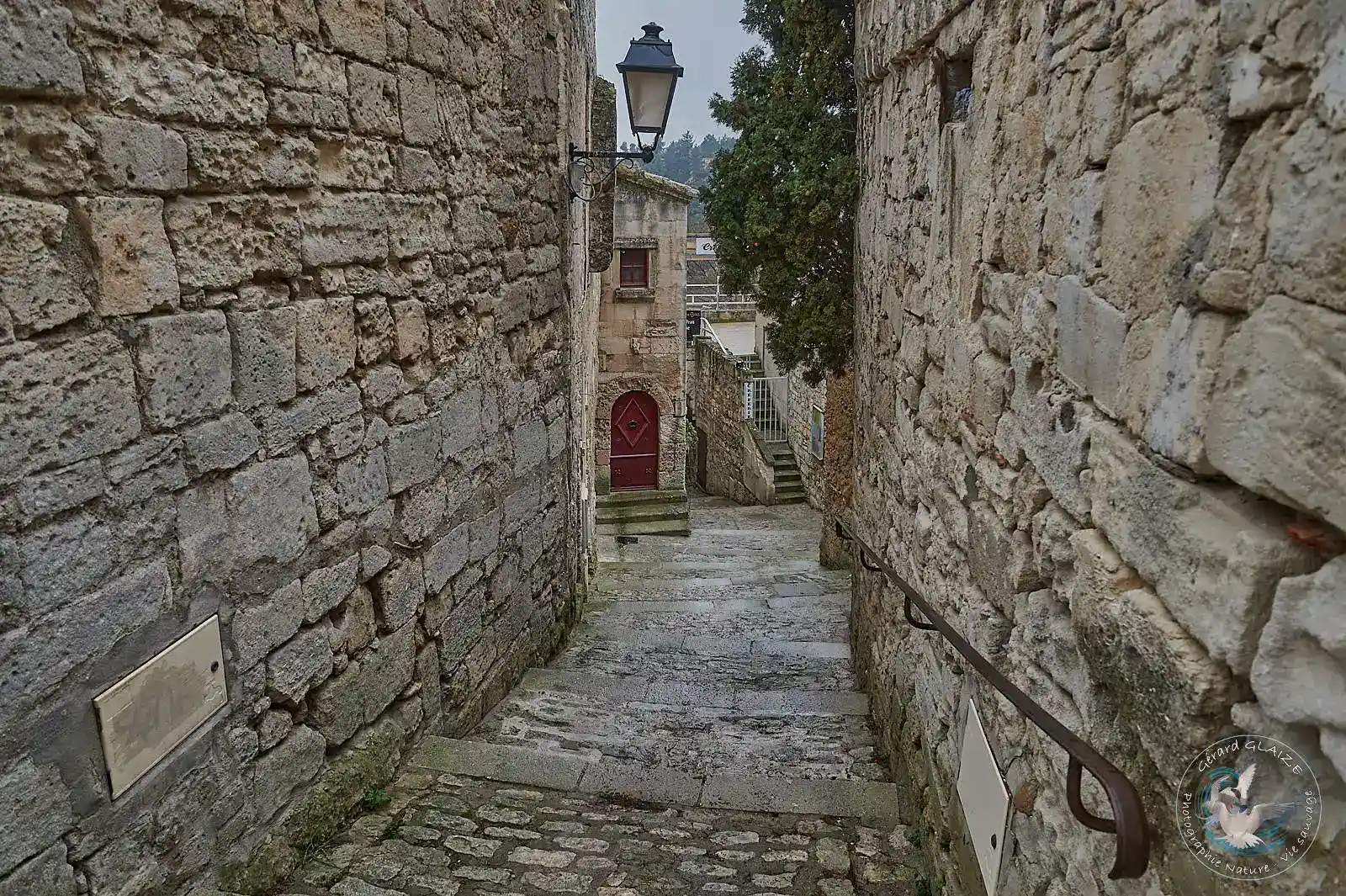
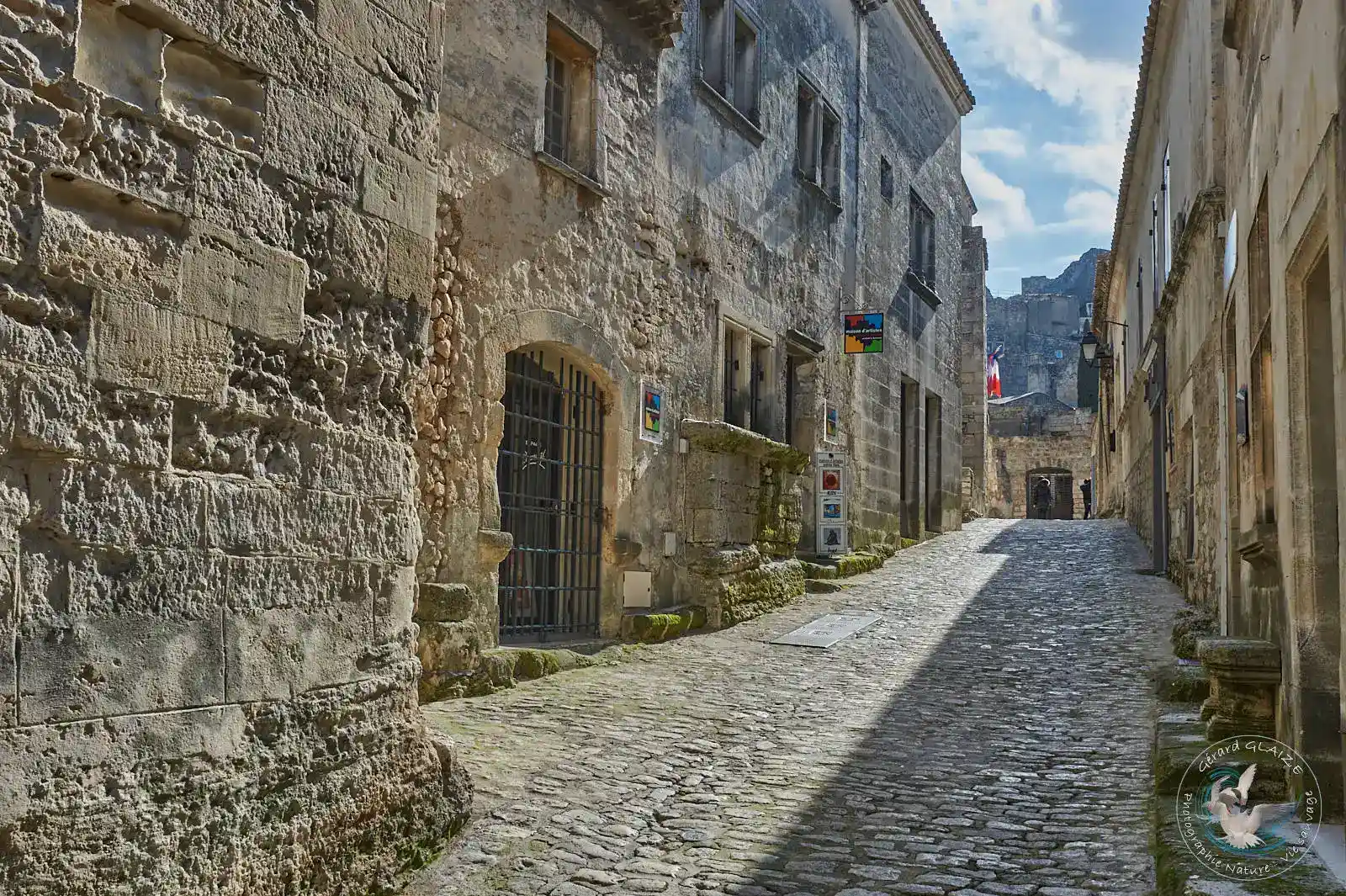
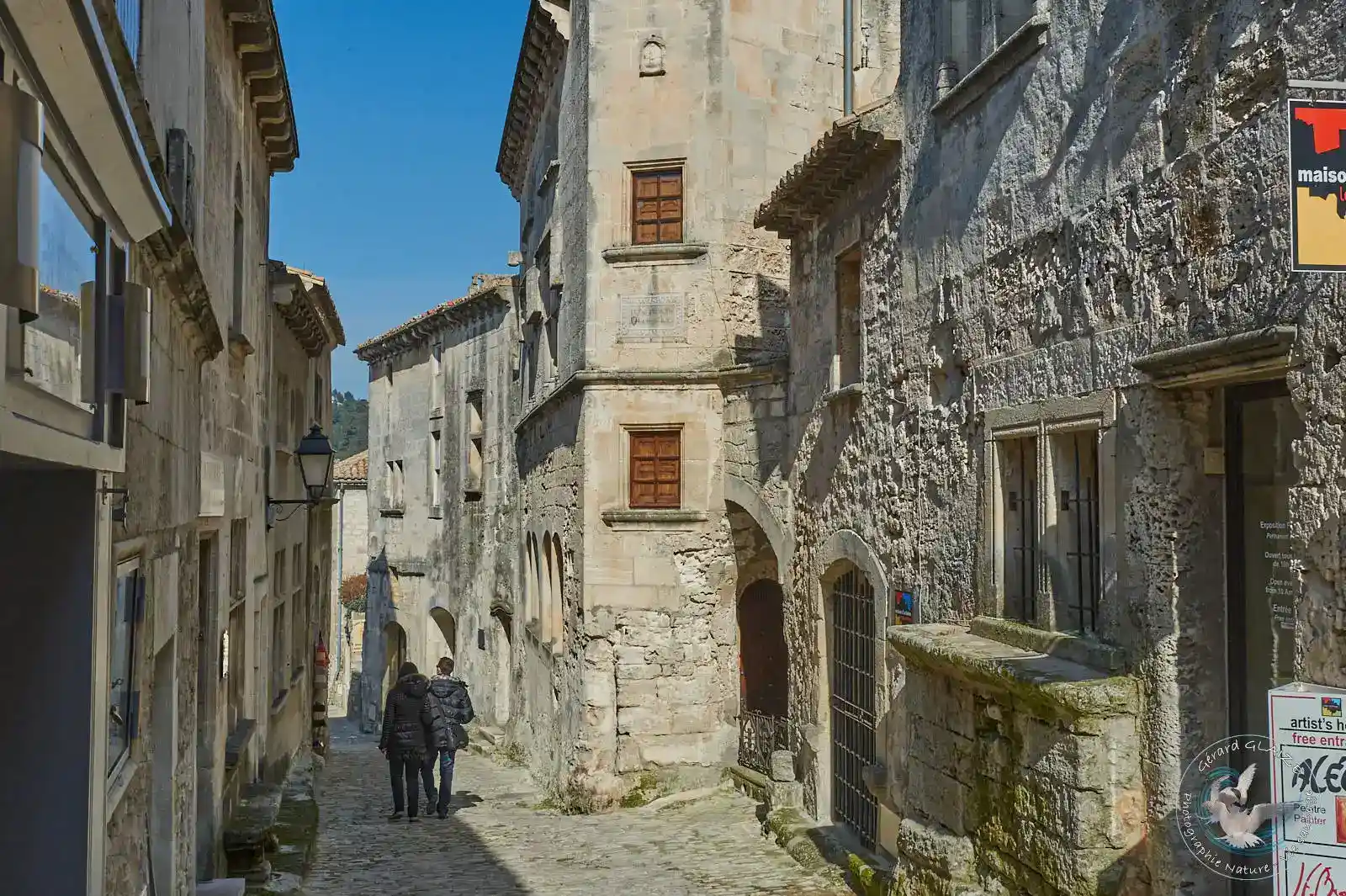
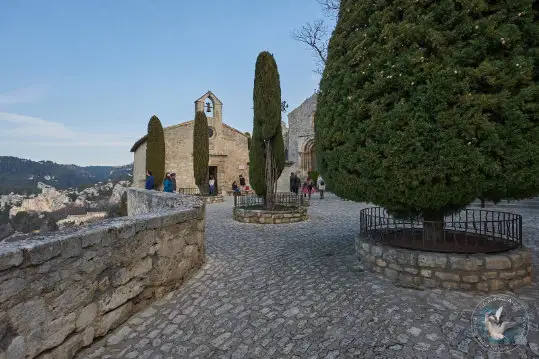
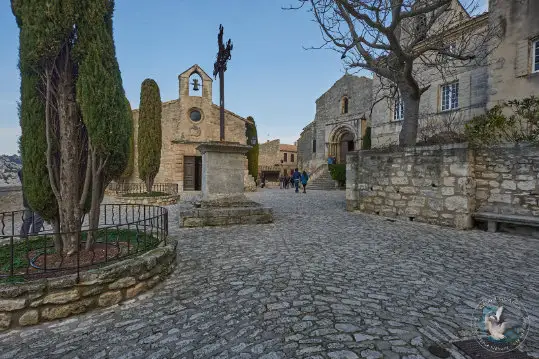
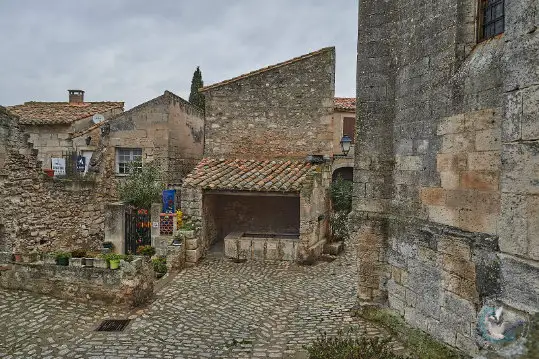
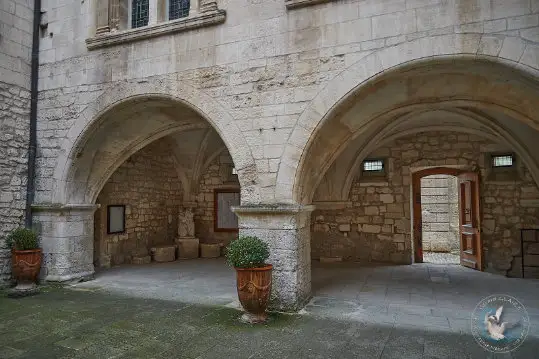
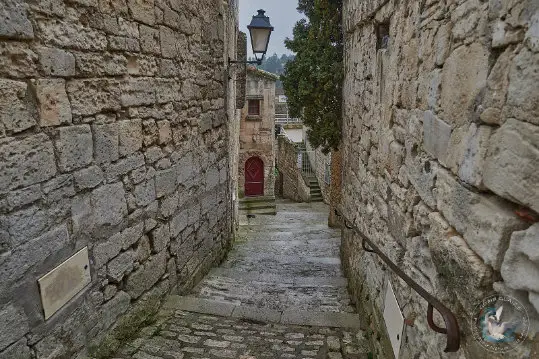
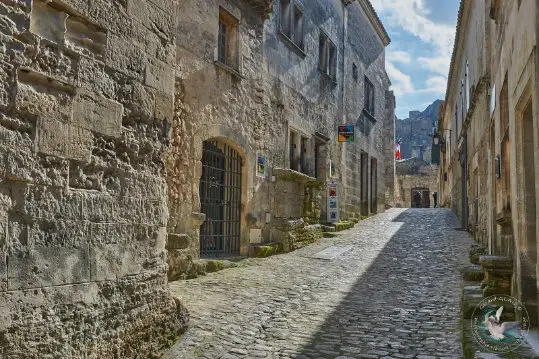
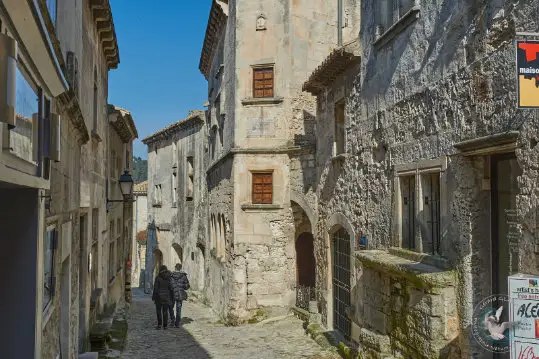
Baux de Provence village
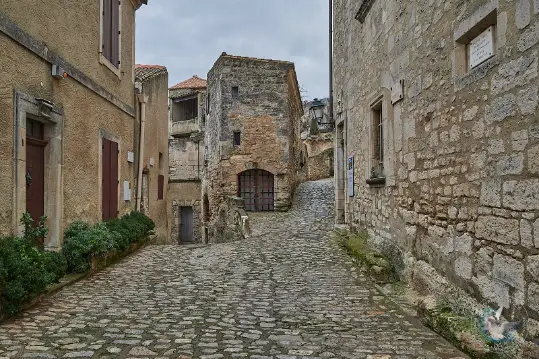
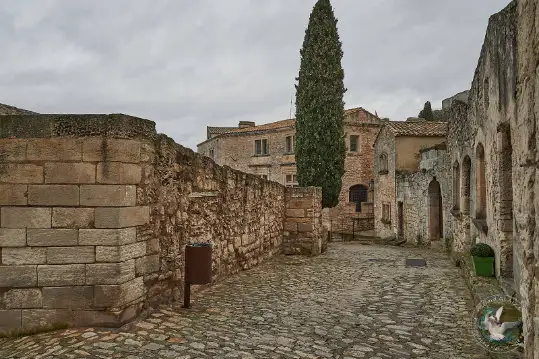
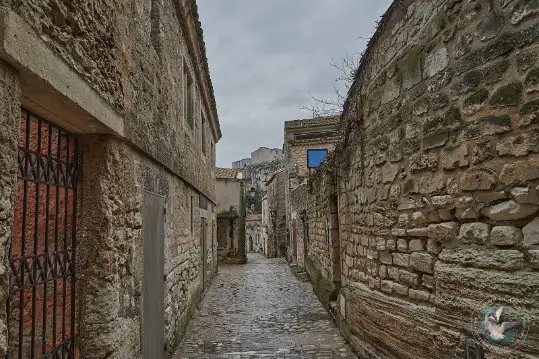
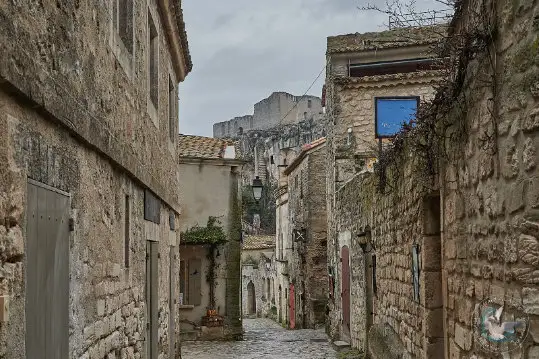
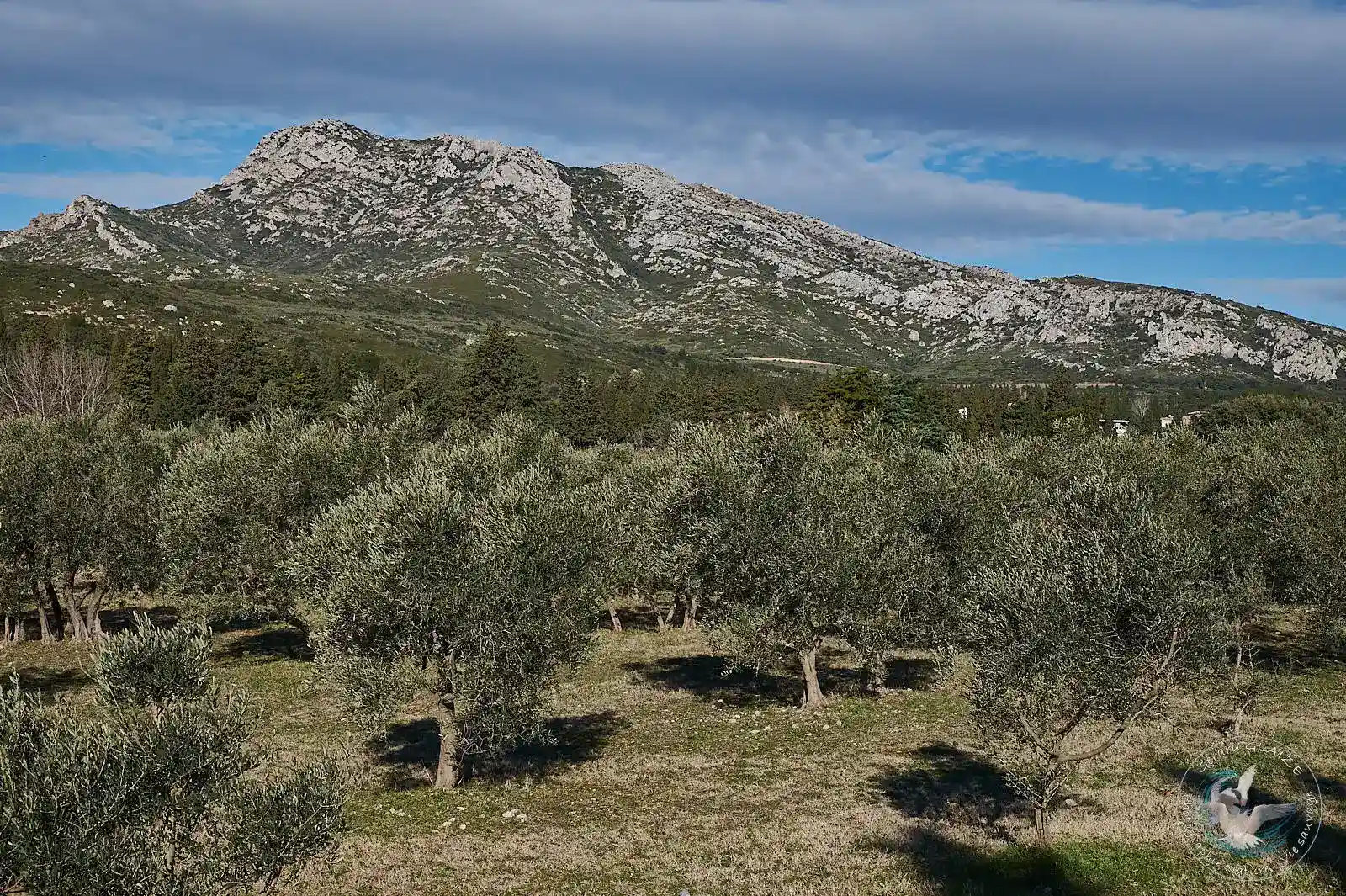
Plains of the massif
Apart from these summits, several plains characterize the Alpilles massif:
Olive trees in the plain of Les Baux
Hydrography
Numerous streams run through the Alpilles massif, they are called “gaudres”. This name of gaudre actually comes from the Provençal gaudre: “small stream”. It thus designates a watercourse that is often dry in summer and has low flow the rest of the year. Several roubines and canals were created to drain or satisfy the water needs of the communes of the massif, in particular by intercepting certain gaudres.
Flora
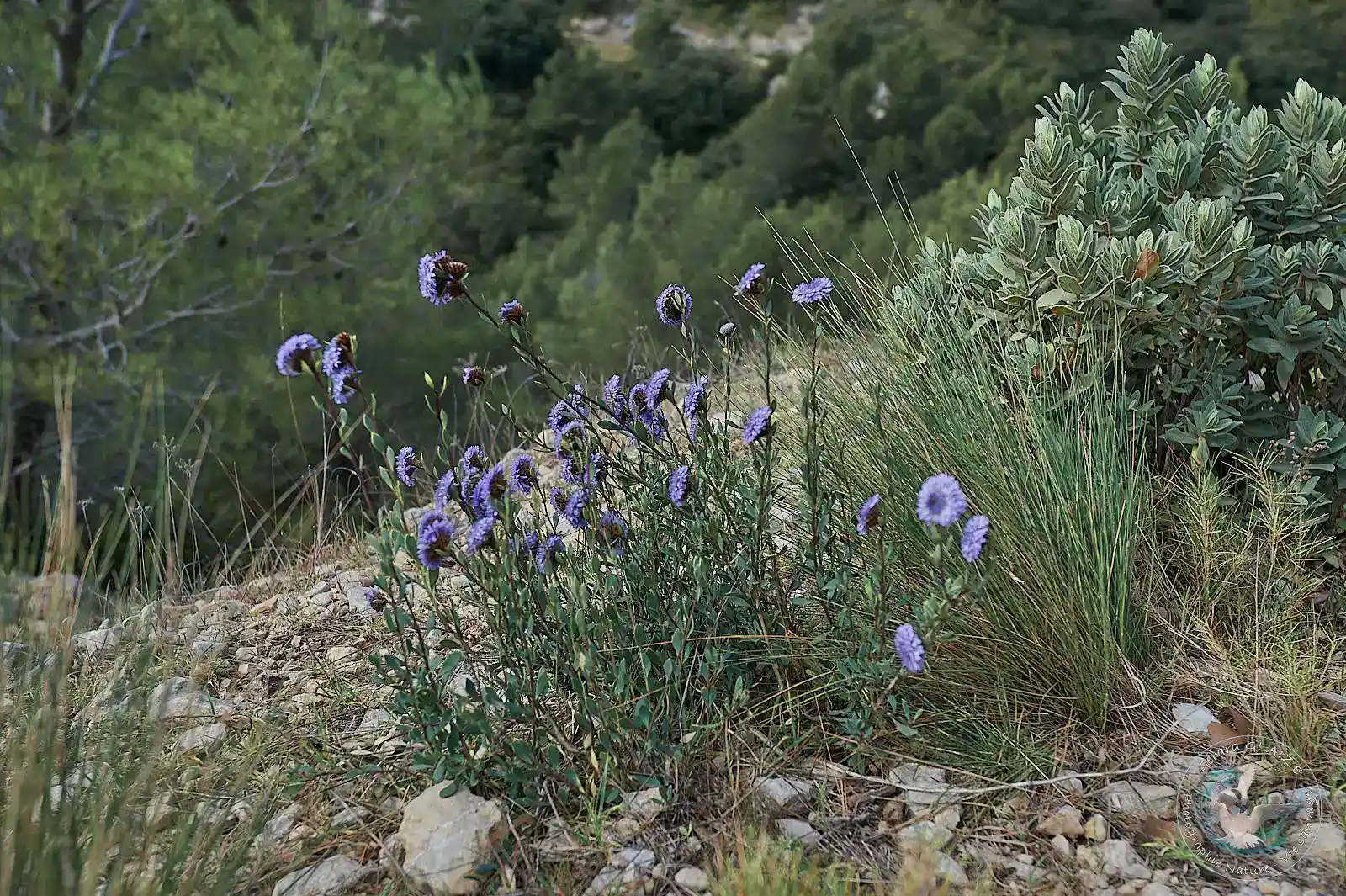
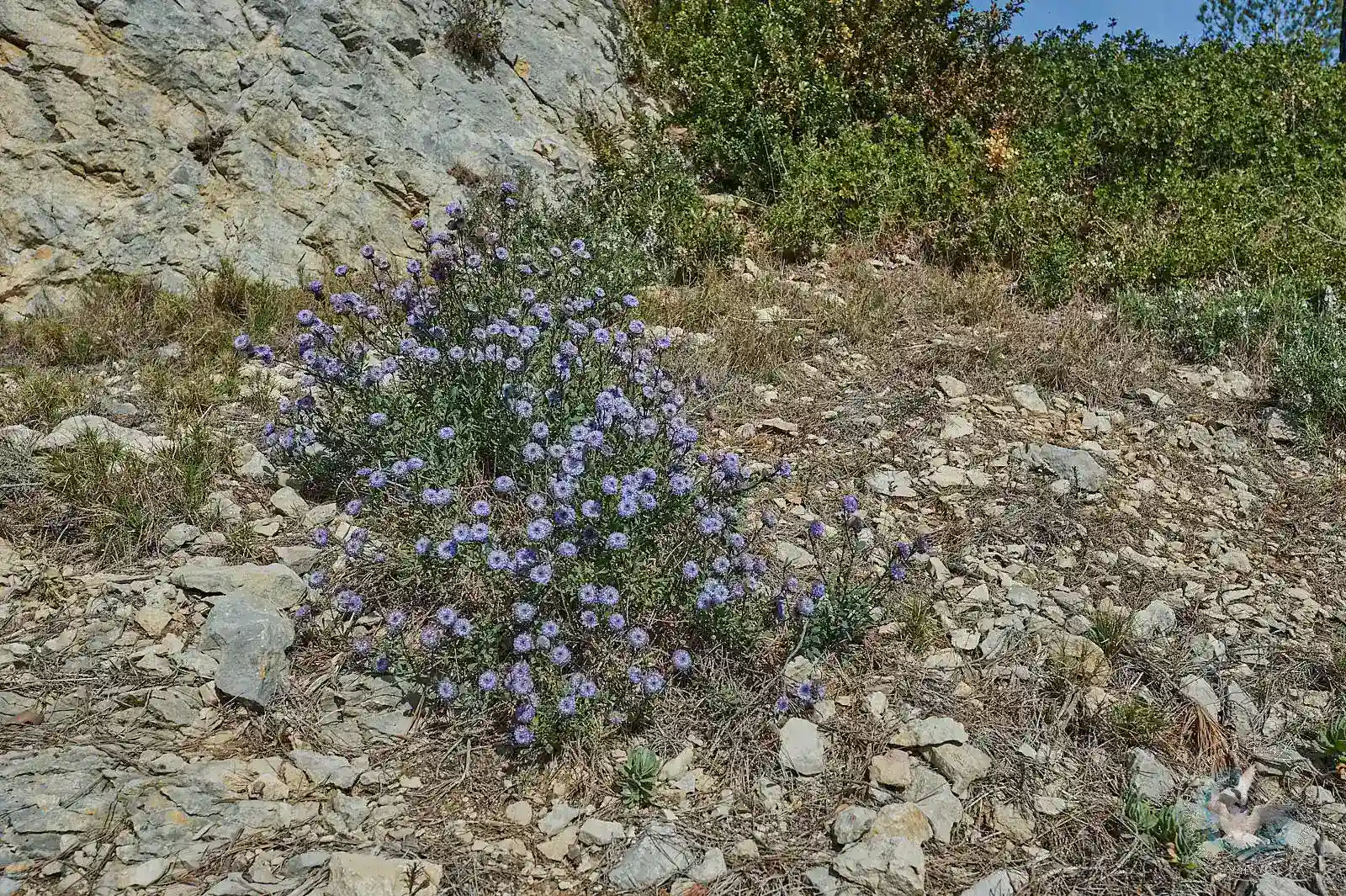
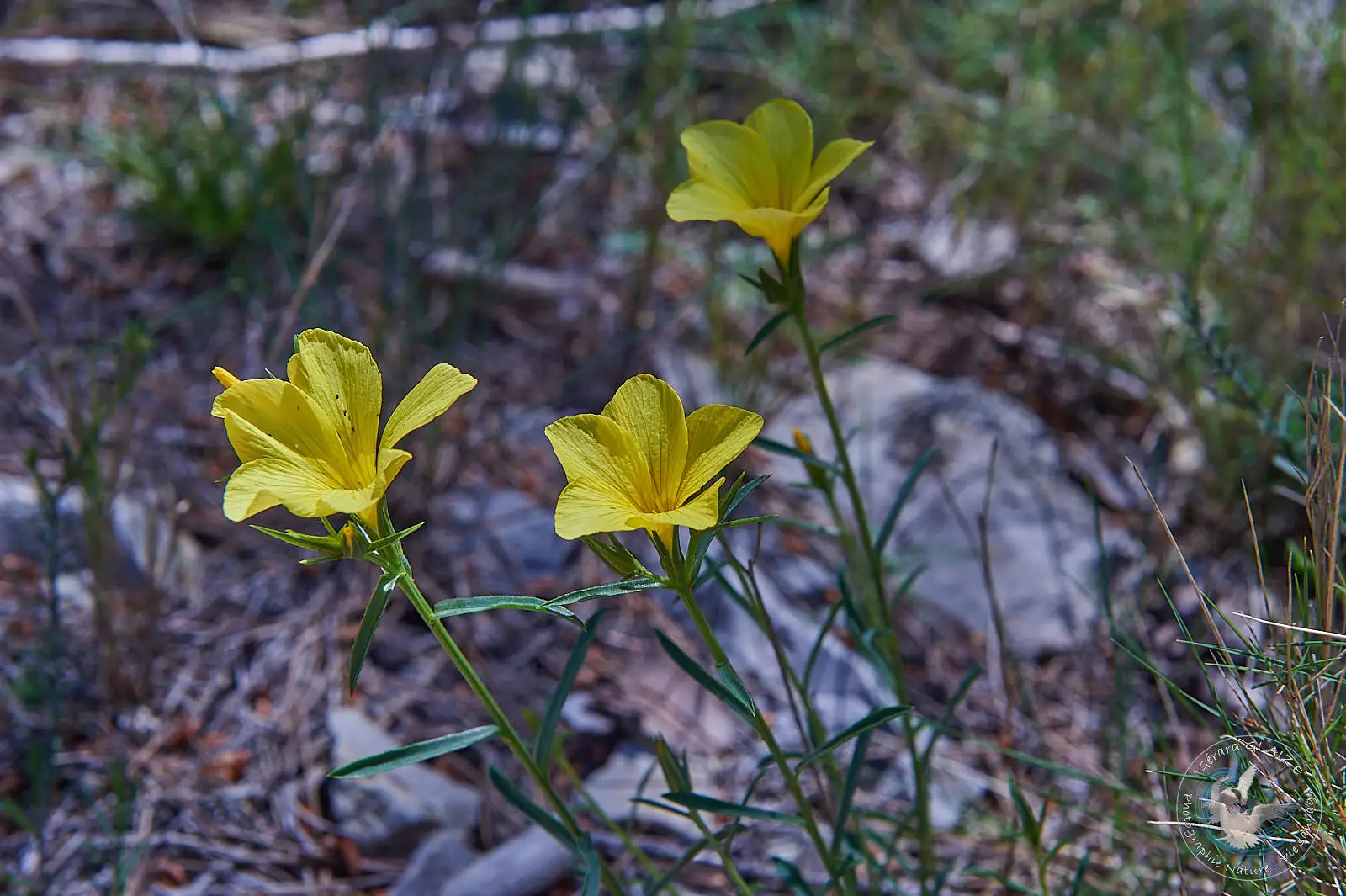
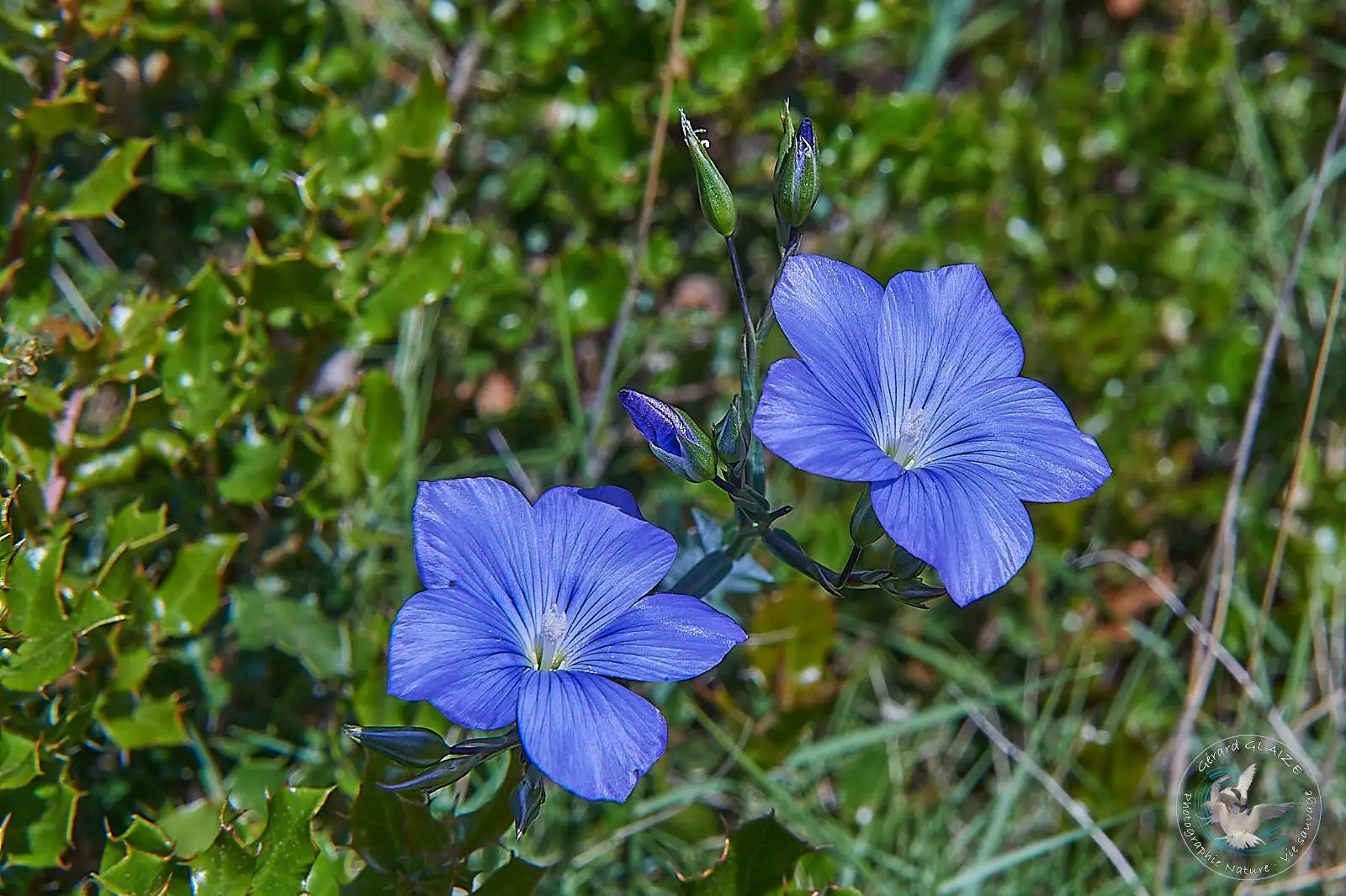
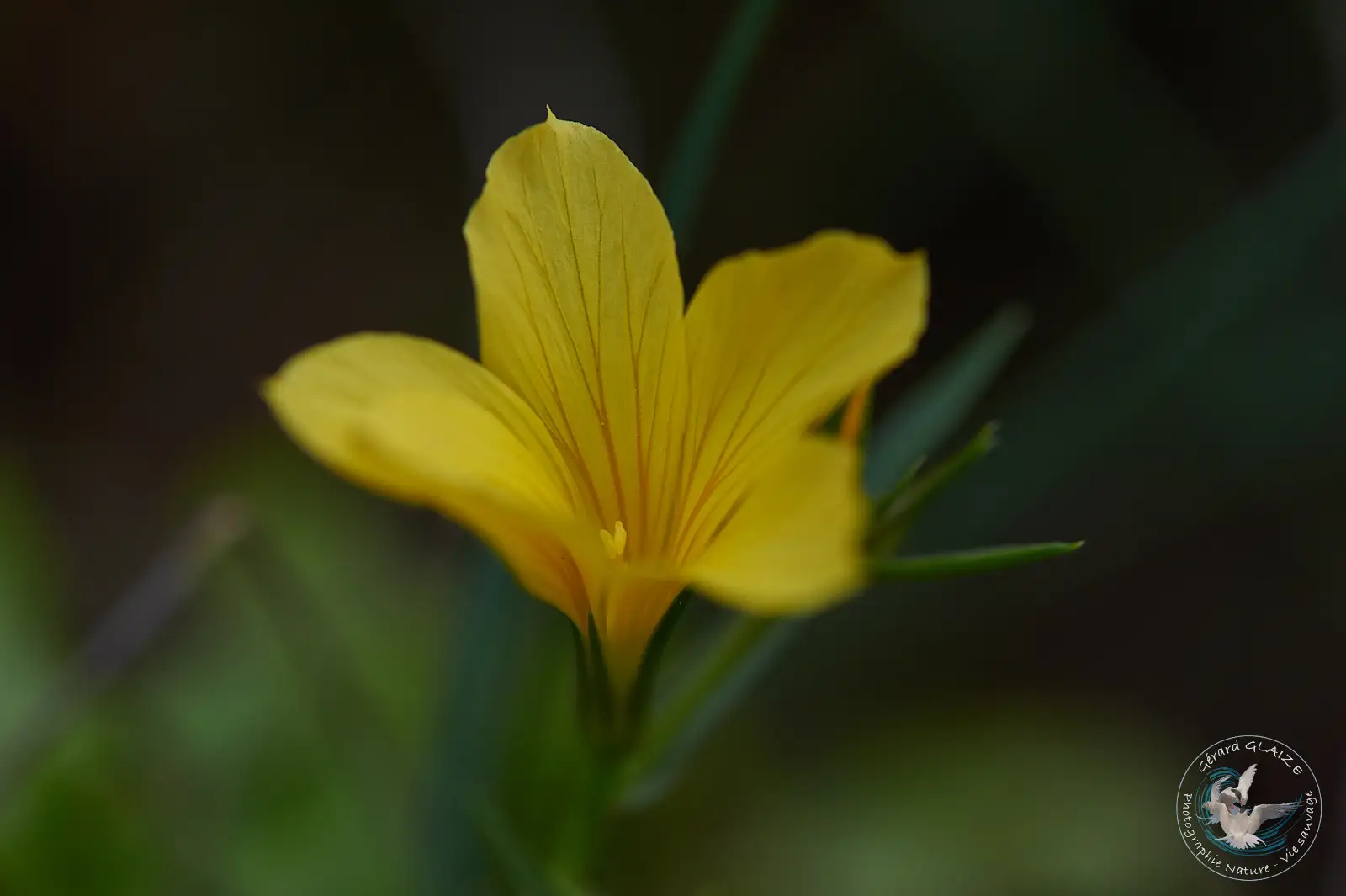
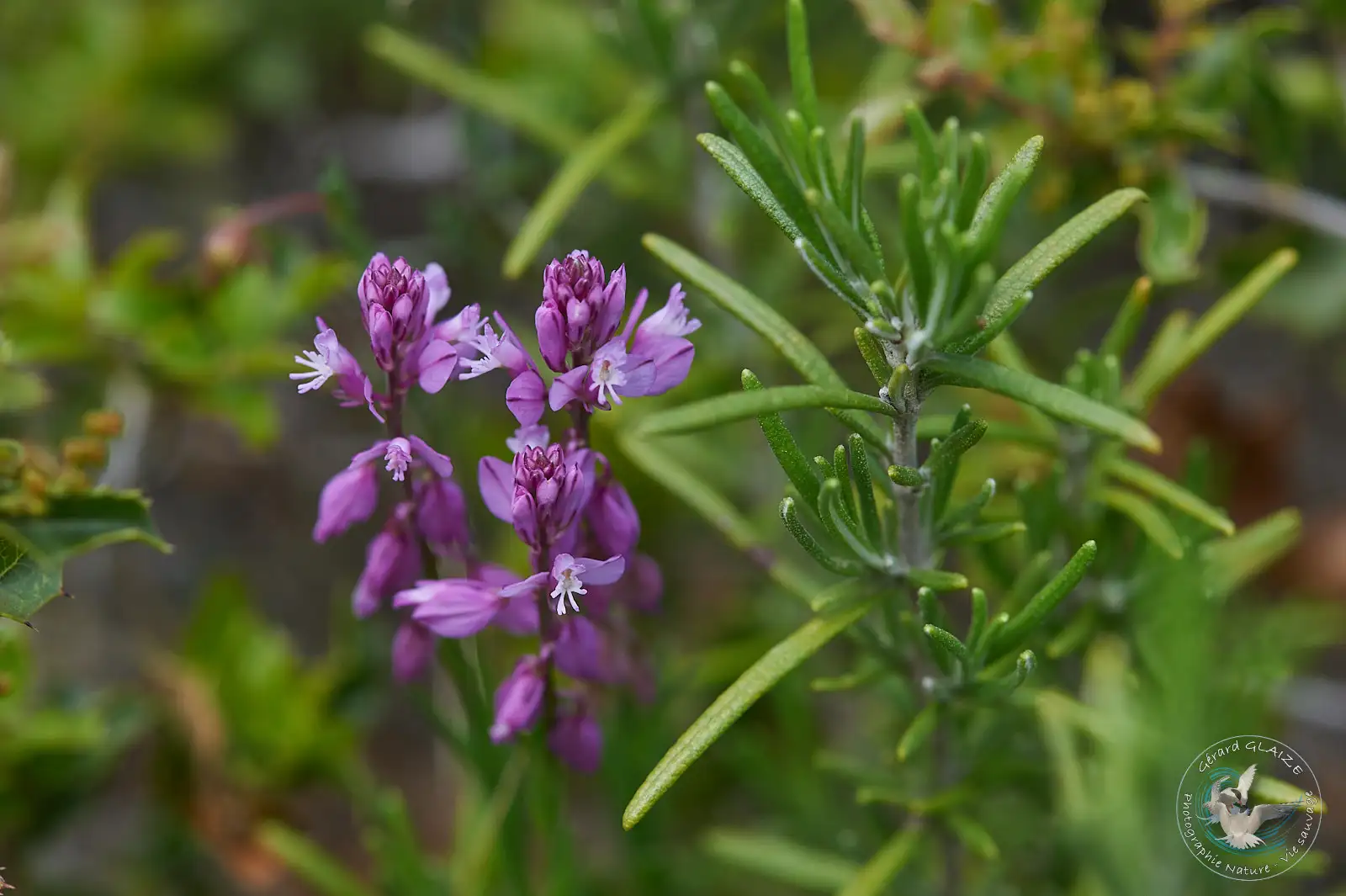
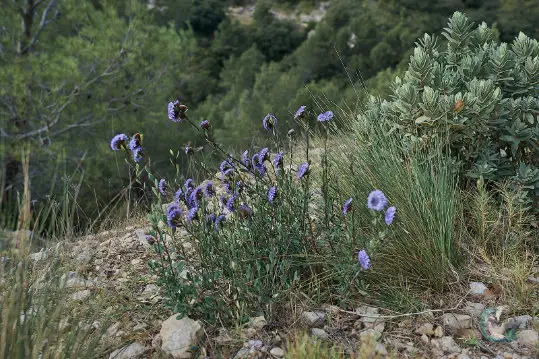
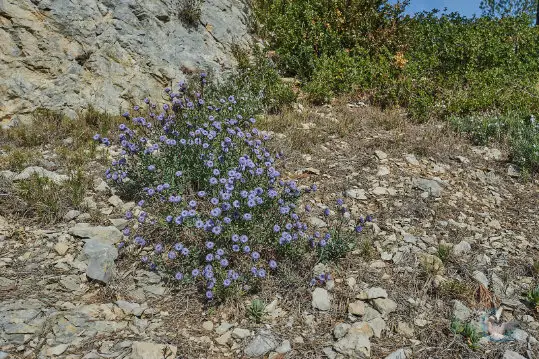
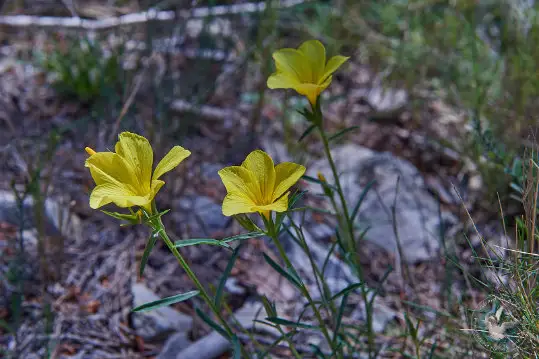
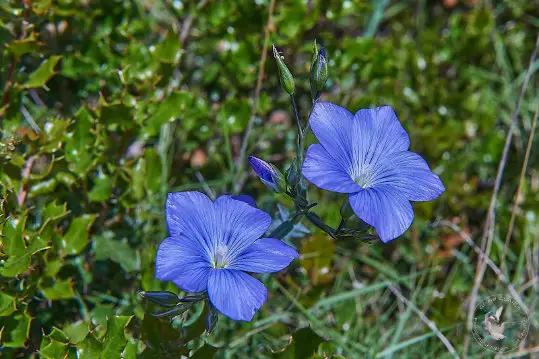
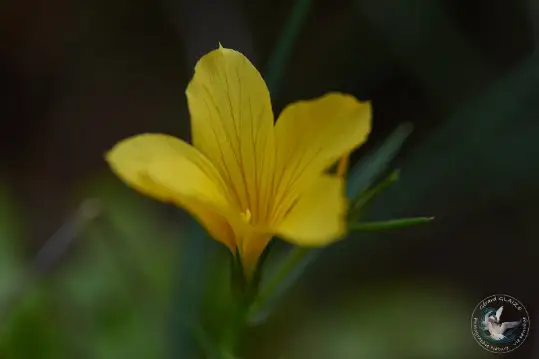
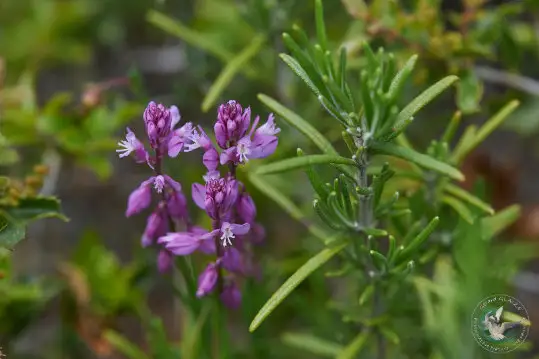
Concerning the Flora, significant populations of conifers are present in the massif. There we find, among others, the Aleppo pine and the Scots pine. We also find the Genet de Villars. Several plant species are also protected on the territory of the massif. We can cite, among others, the summer snowflakes (Leucojum aestivum) or the Marum-leaved sunflower (Helianthemum lavandulaefolium).
Fauna
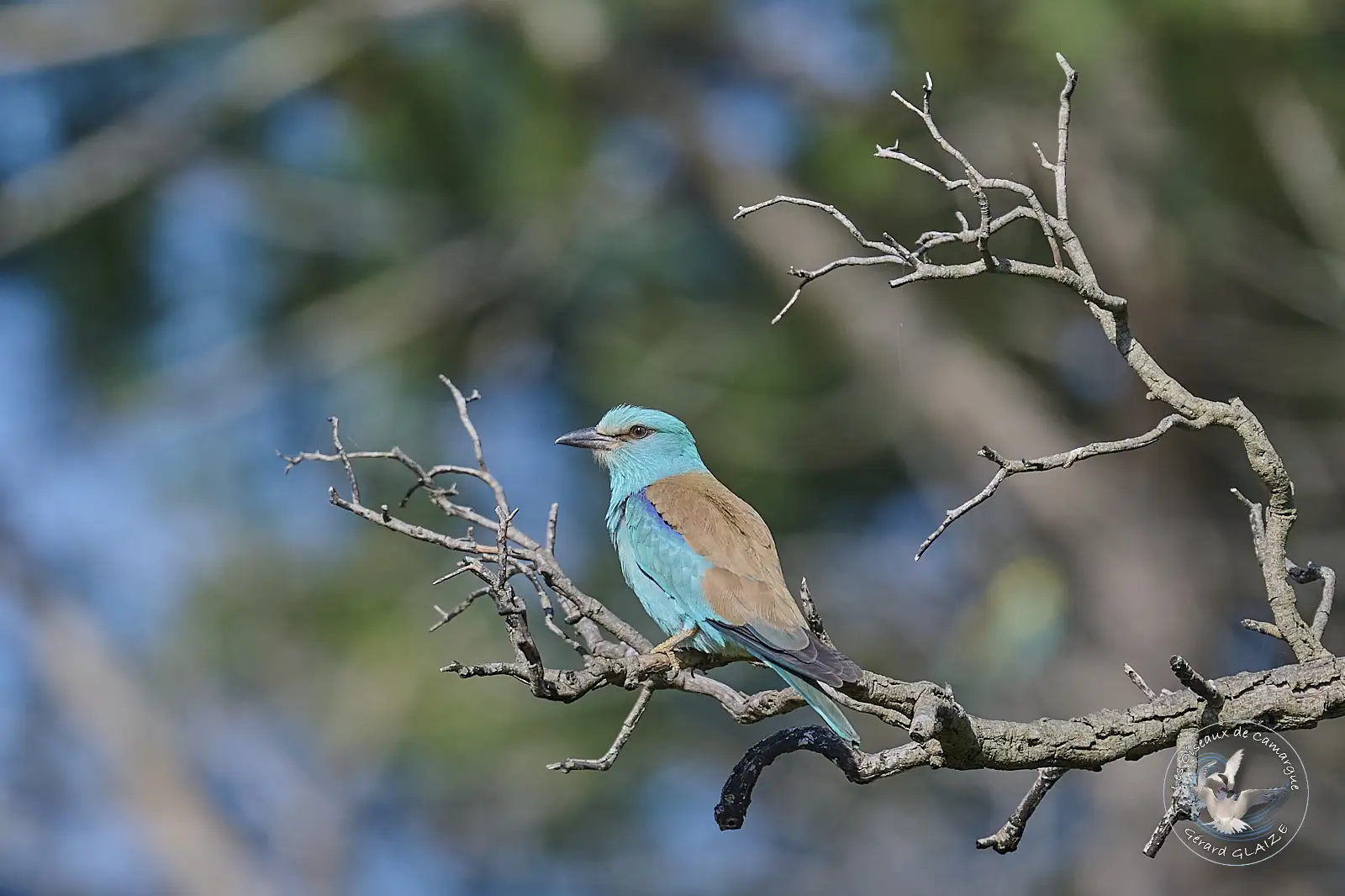
As for wildlife, many avian species nest in the Alpilles. We find nearly 250 species of birds on the massif, including 25 species of community interest. The most famous are the Bonelli's Eagle, the Egyptian vulture, the lesser kestrel and the eagle owl. The rocks are also home to a species of lizard emblematic of the Alpilles, the ocellated lizard. This lizard, also considered threatened, is also a protected species.
Birds :
European Roller
Raptors :
Other fauna :
The rocks also provide a habitat for an iconic lizard species of the Alpilles region, the eyed lizard. This lizard, which is also considered an endangered species, is protected by law.
The Pastoralism
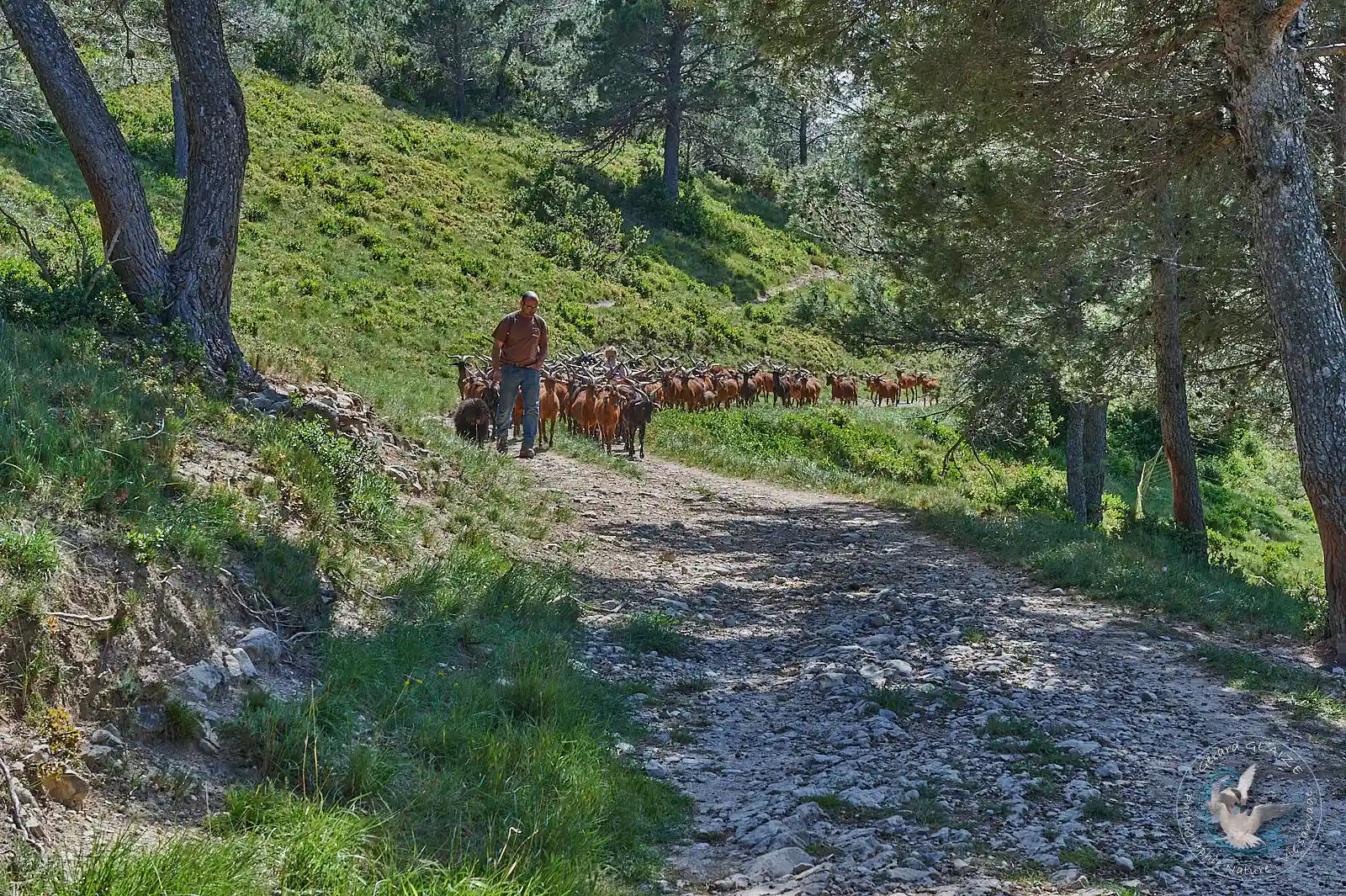
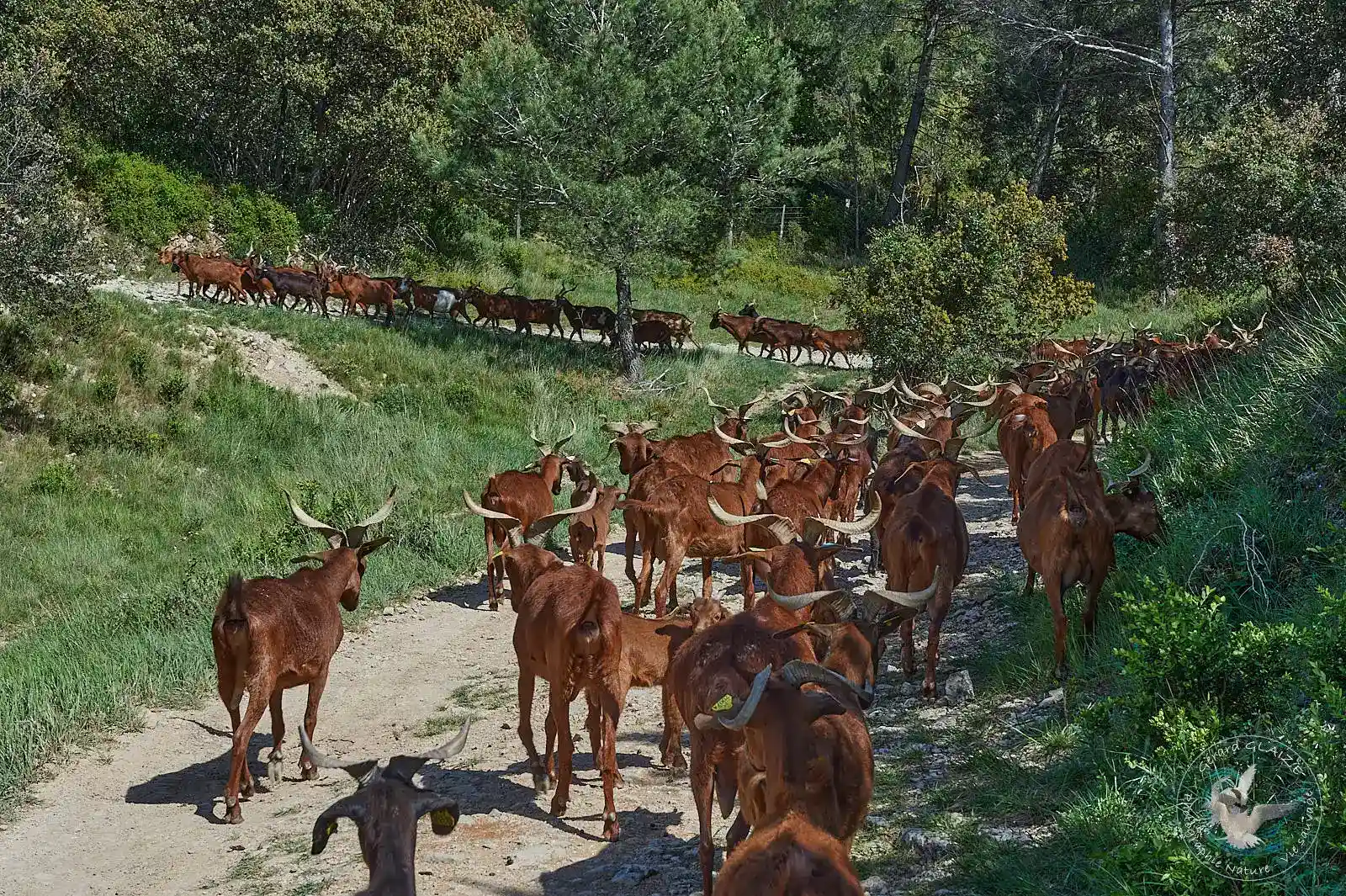
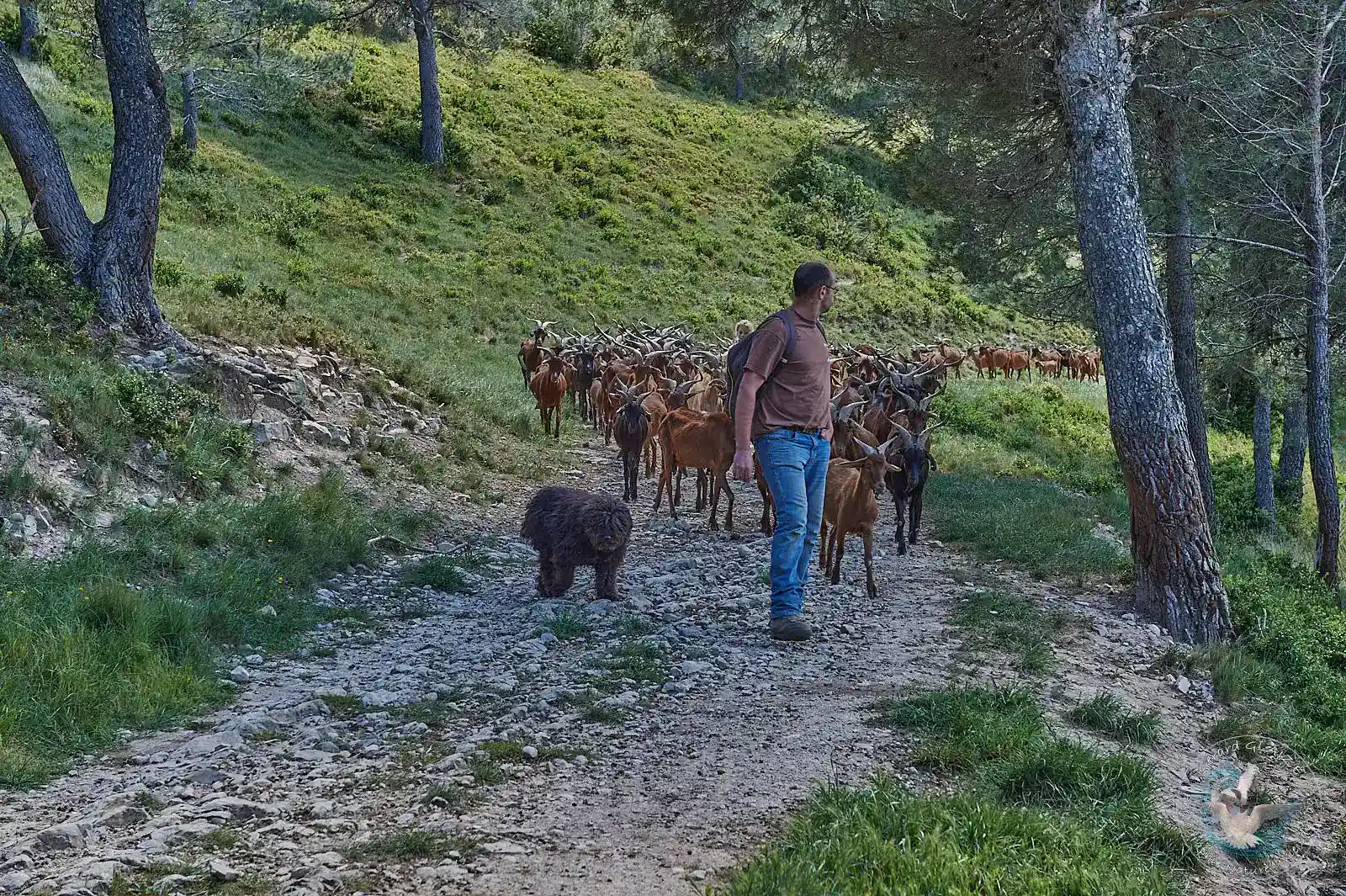
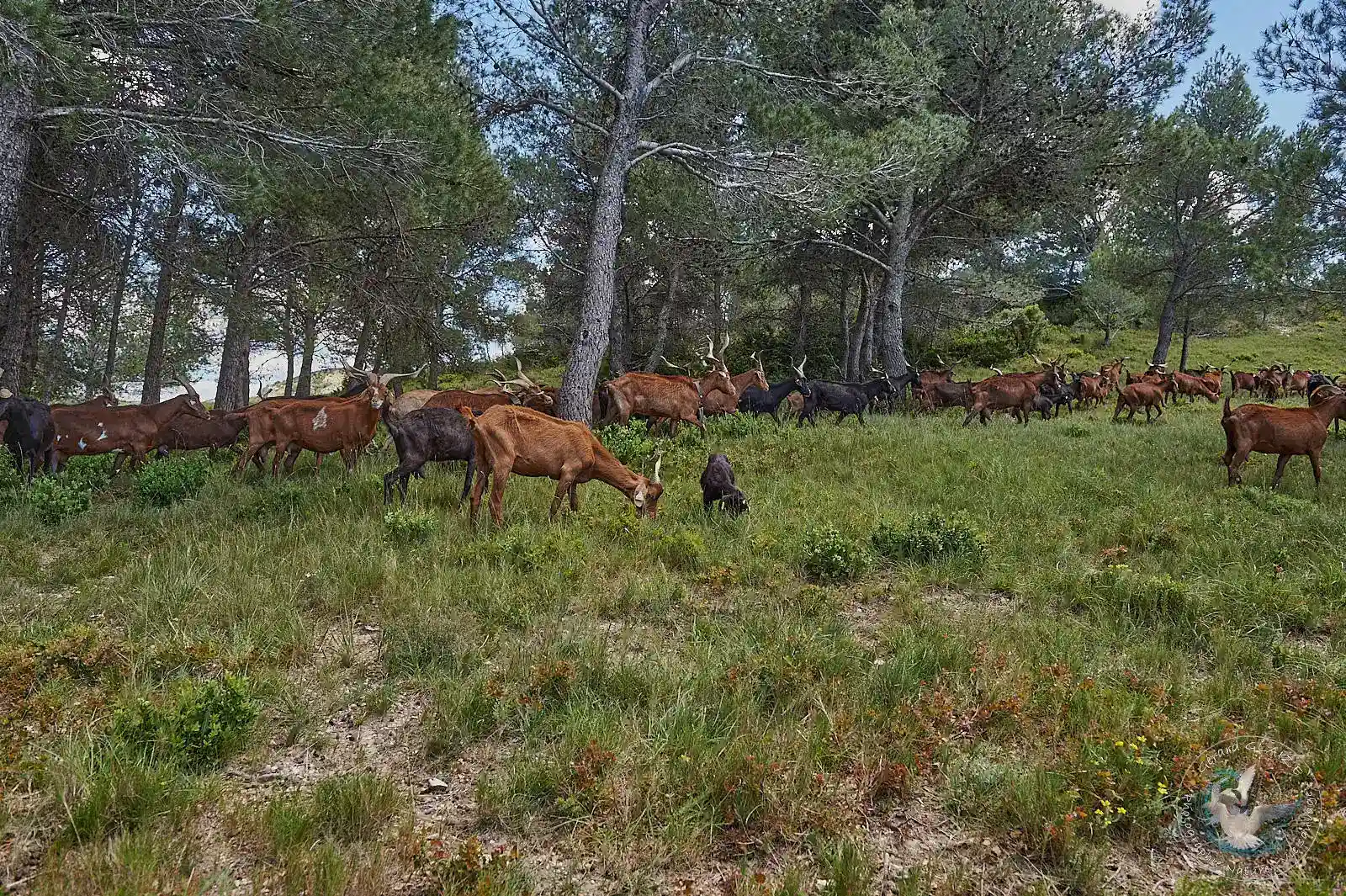
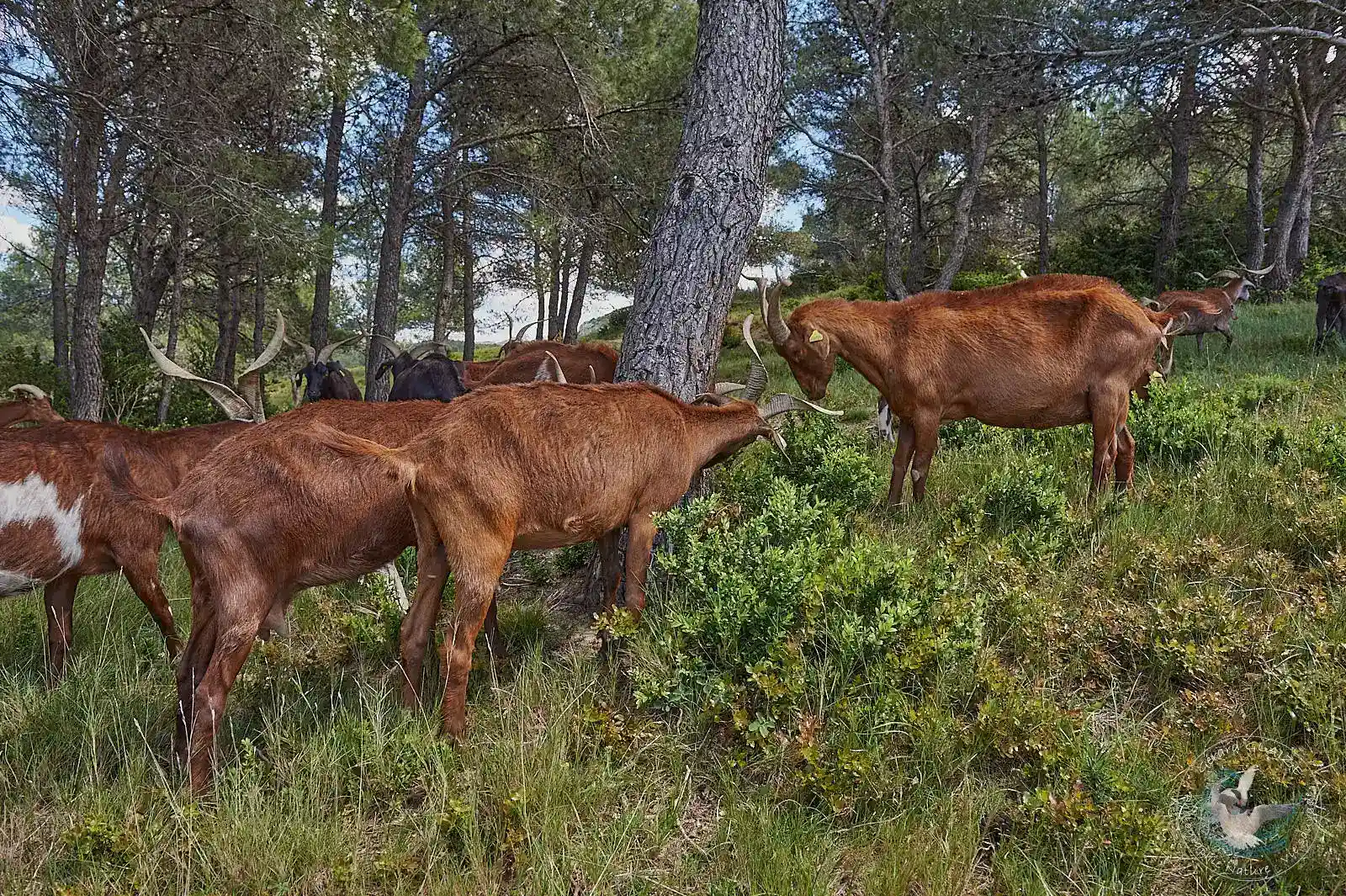
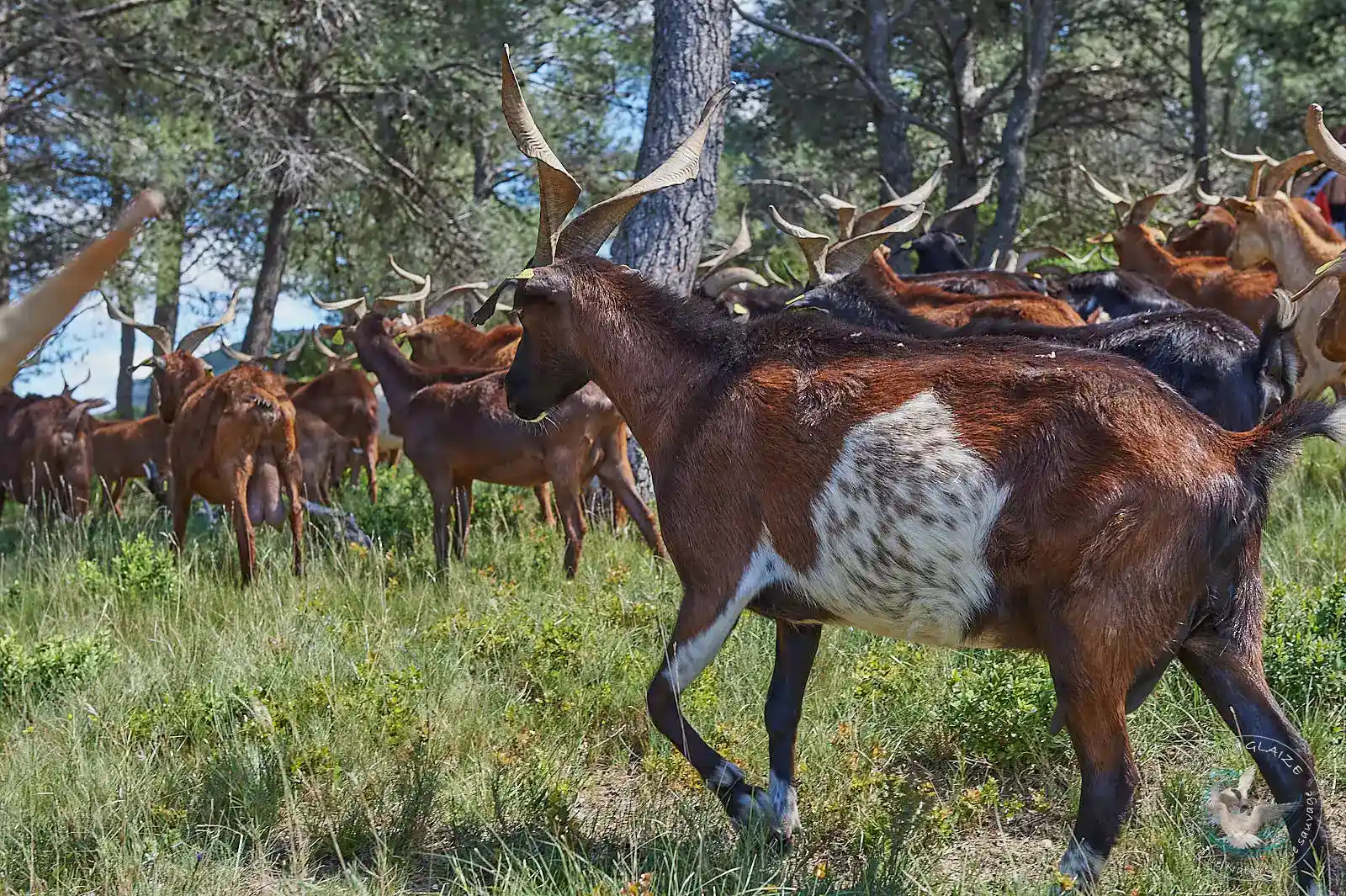
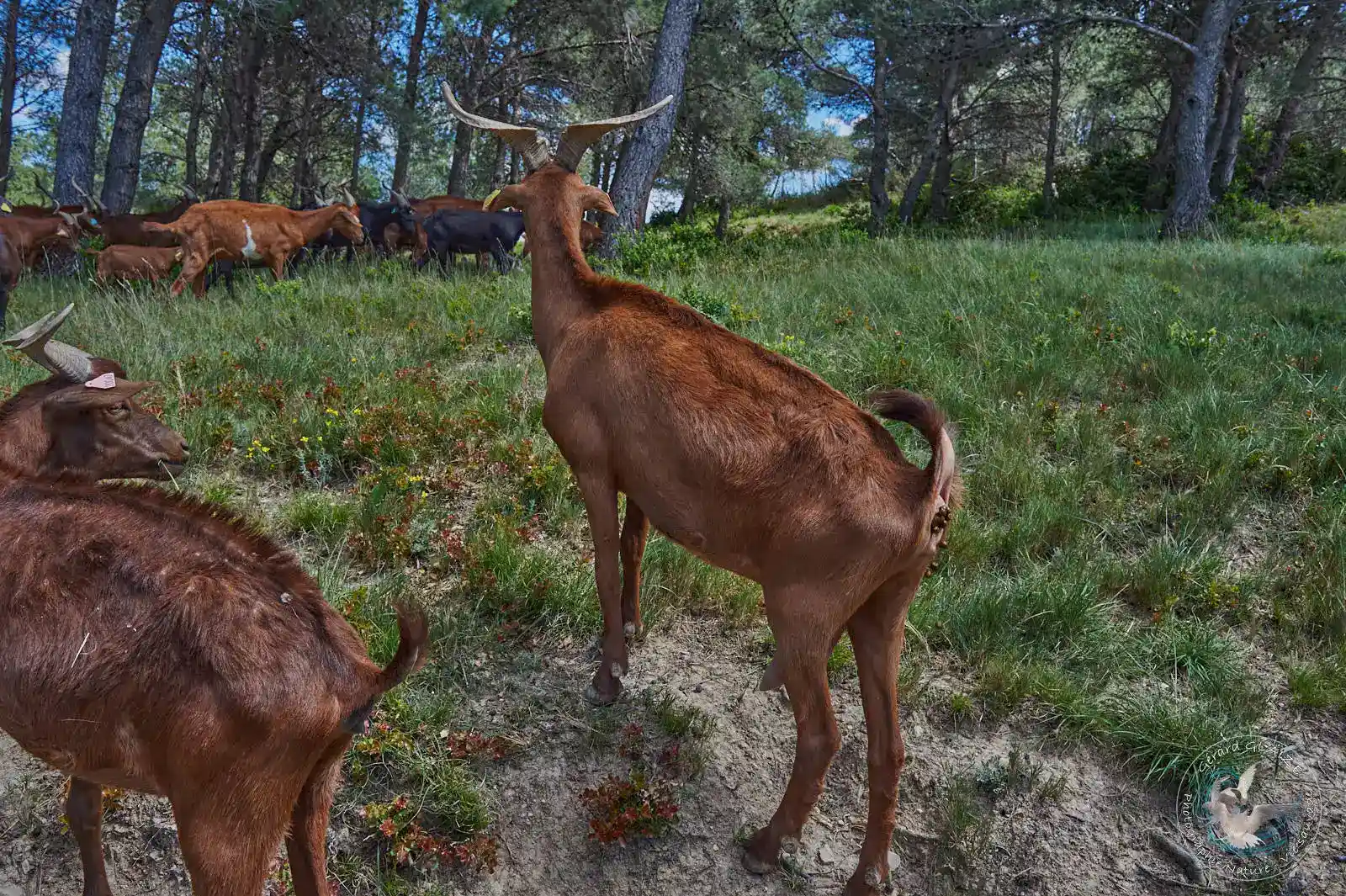
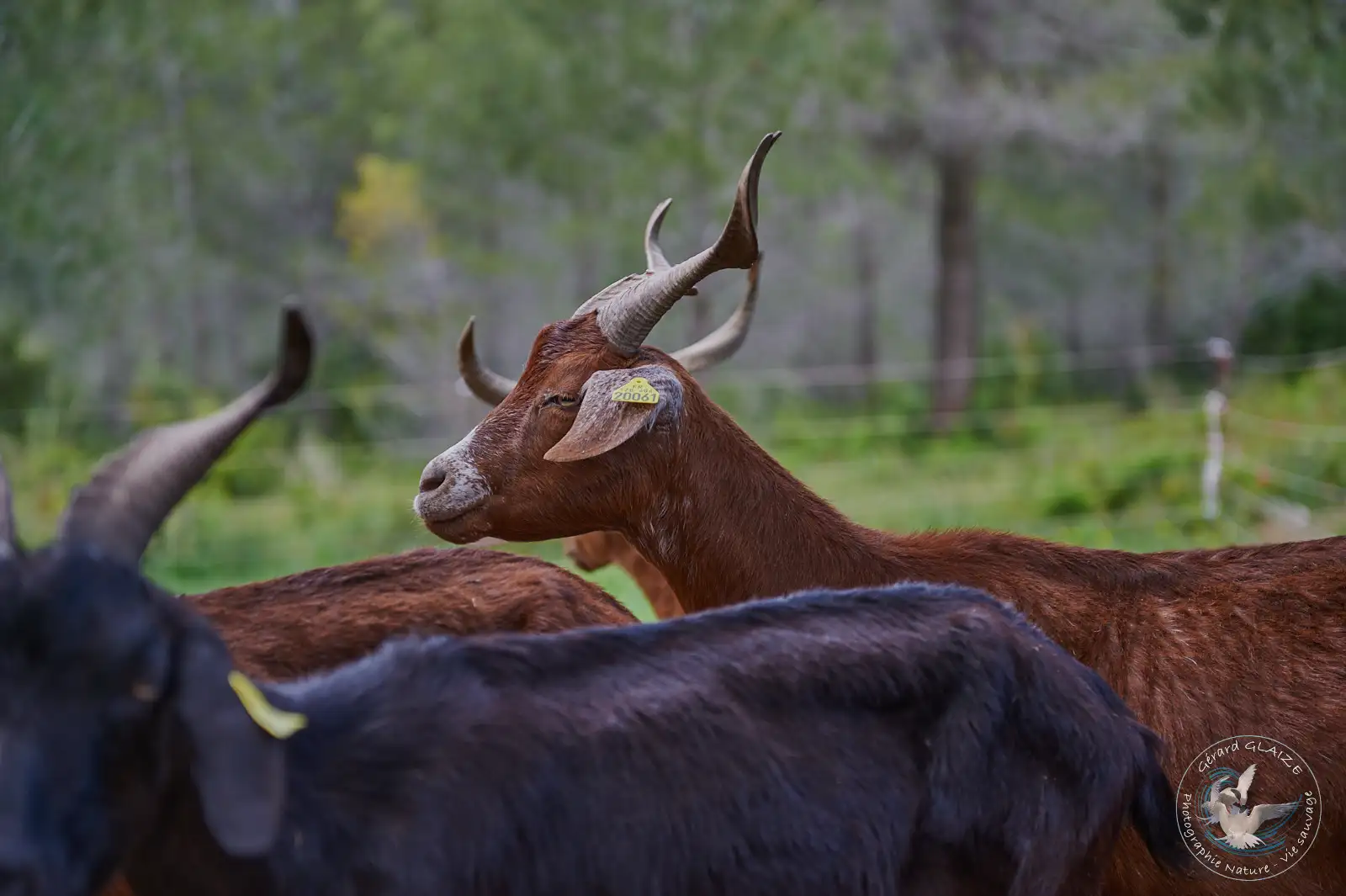
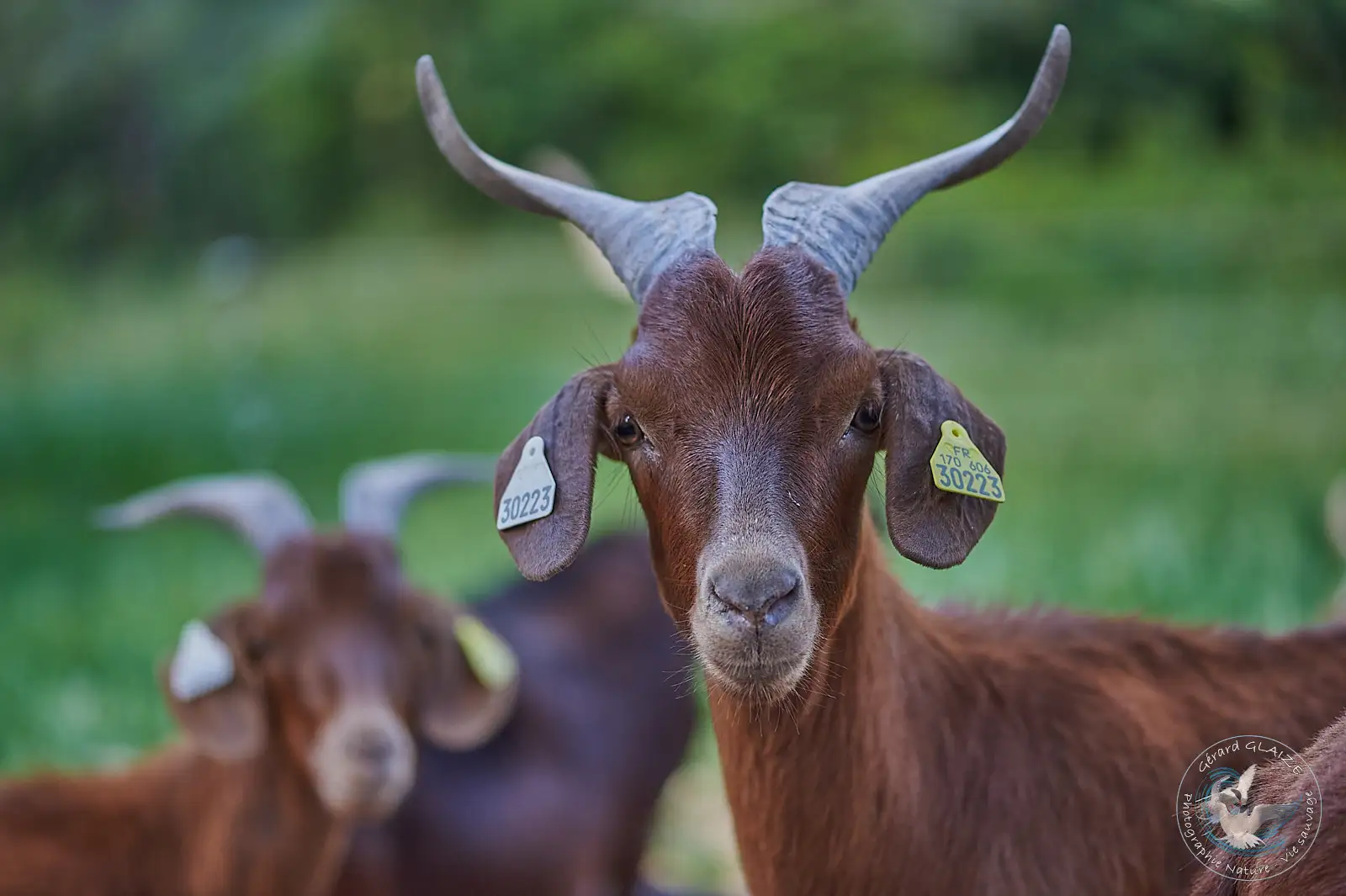
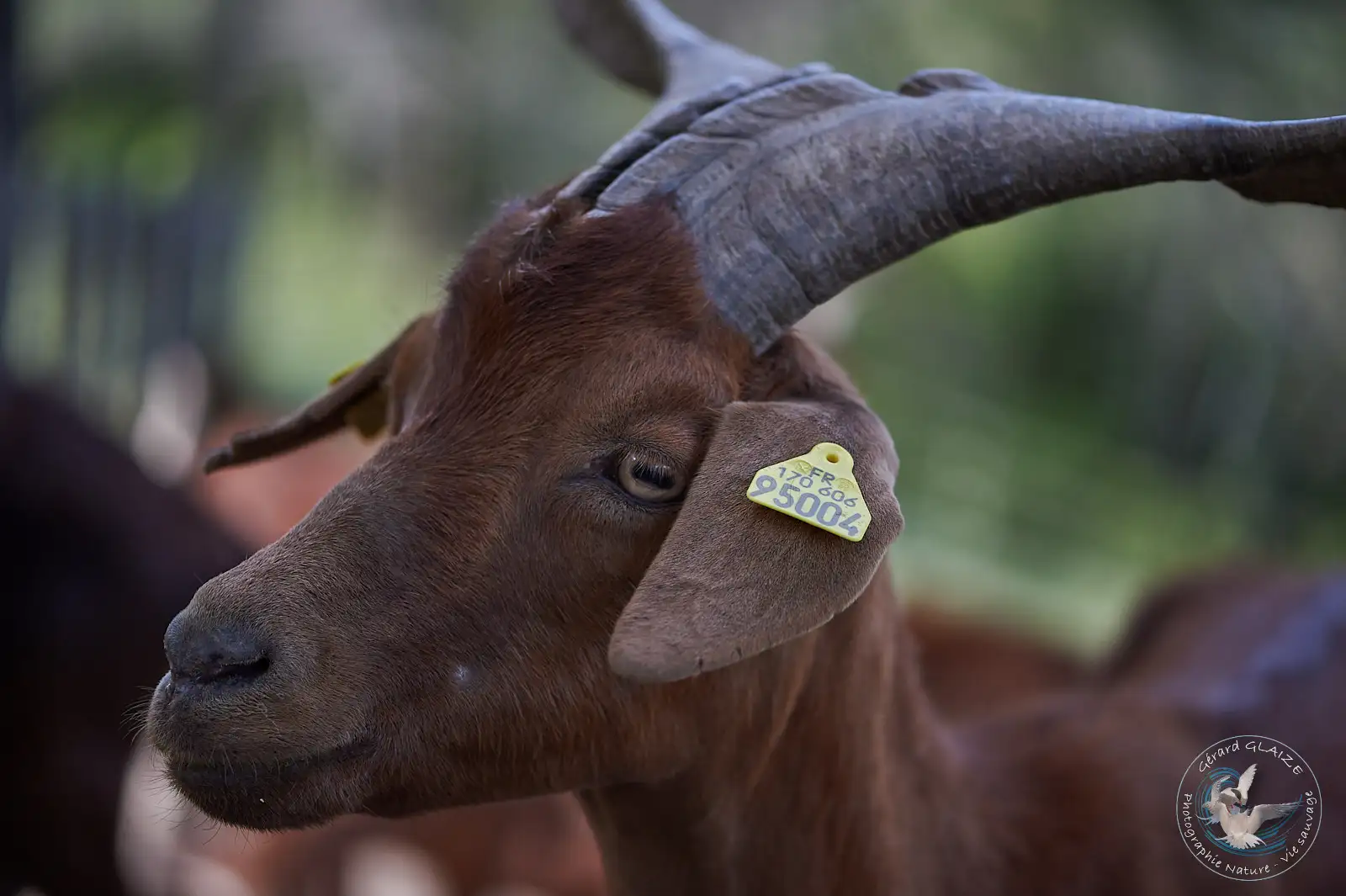
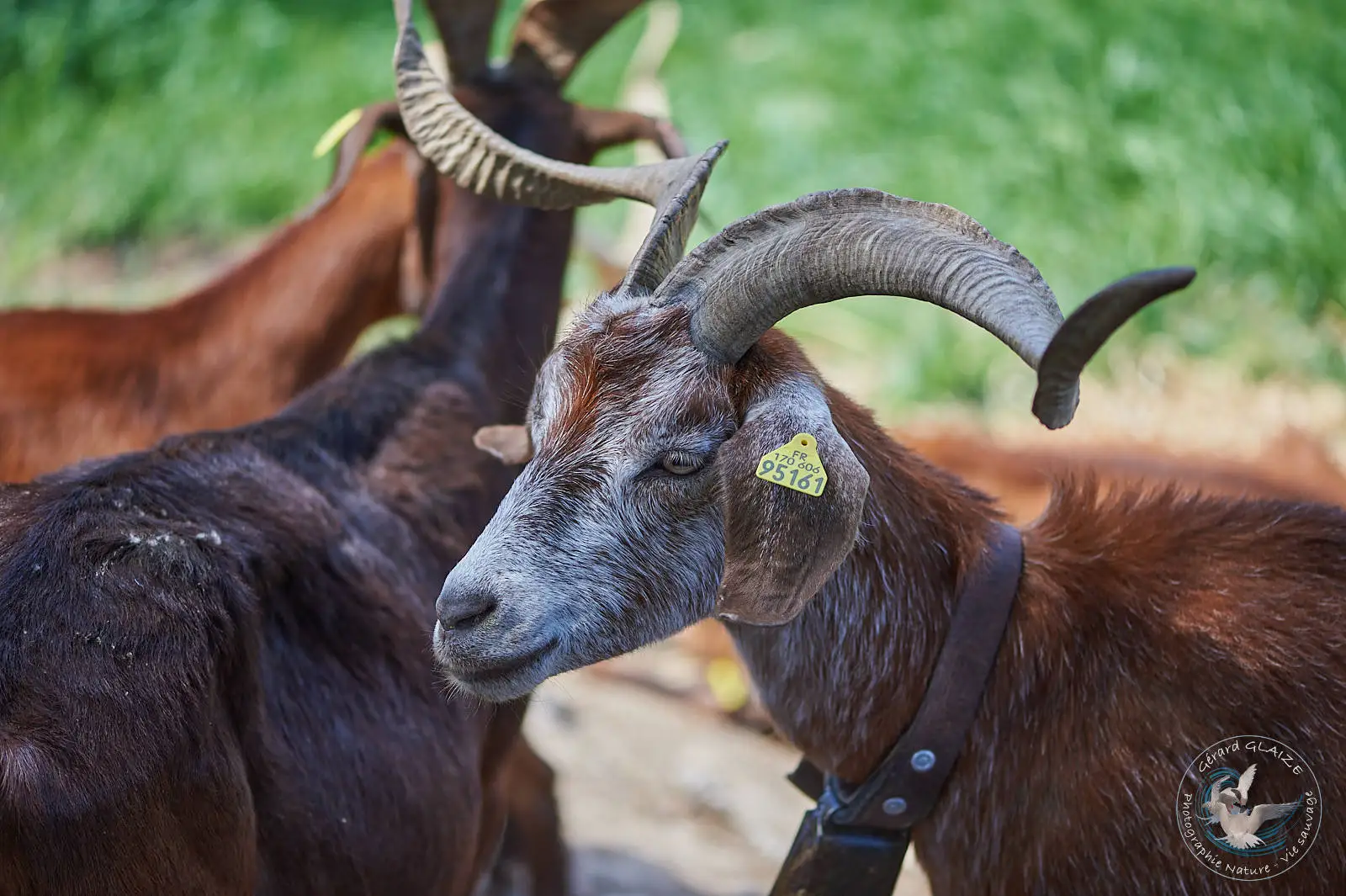
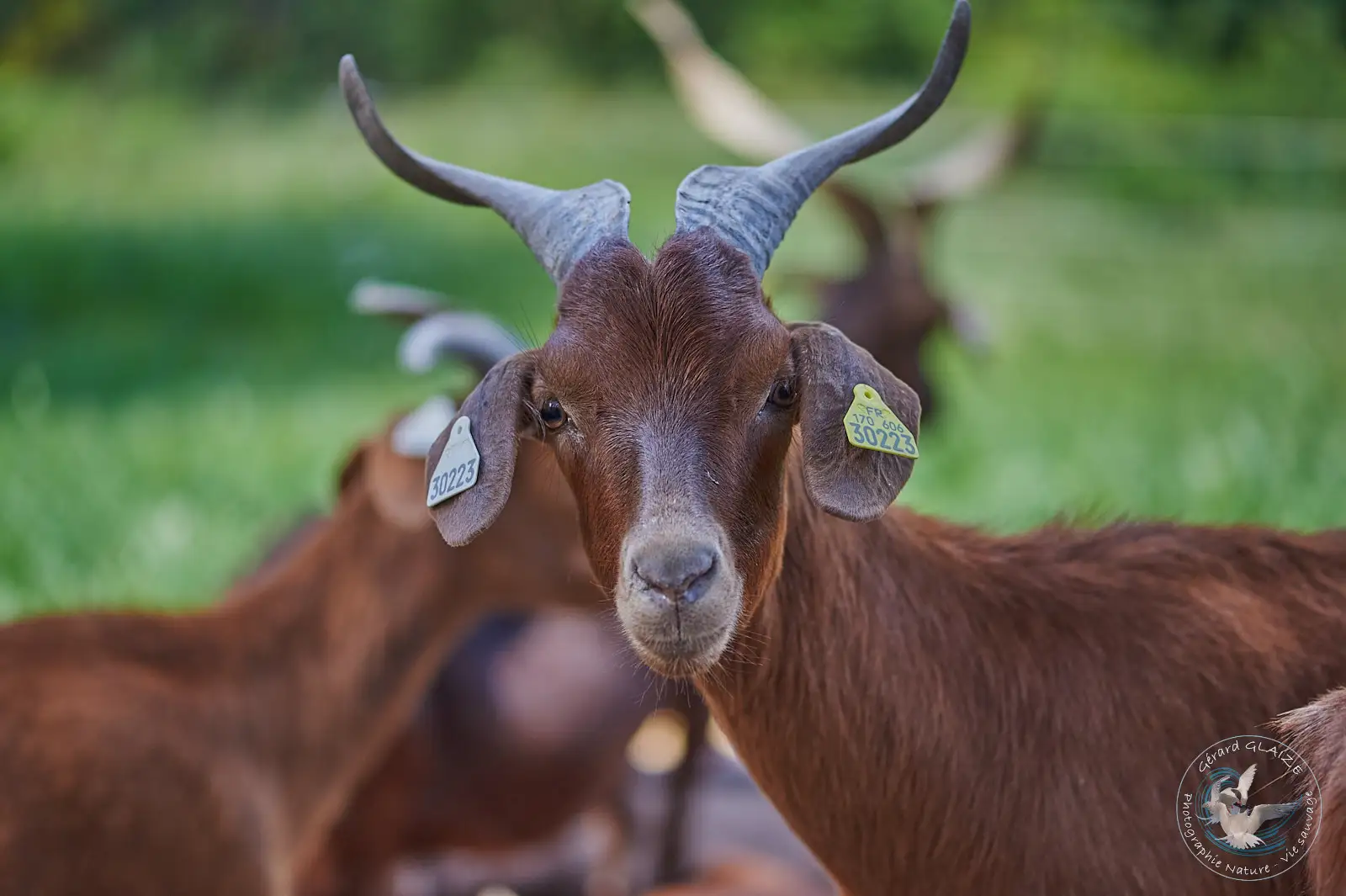
Particularly suited to the Alpilles, pastoralism is therefore an essential activity. Indeed, due to its role in maintaining biodiversity and avifauna, it promotes a mosaic of environments, the defense of forests against fires (DFCI) or even the maintenance of our exceptional landscapes. It therefore constitutes a fundamental economic activity in the territory of the Park.
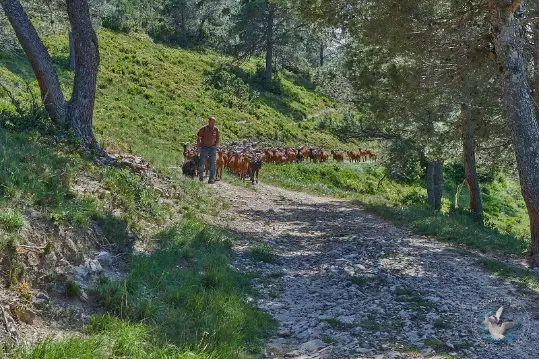
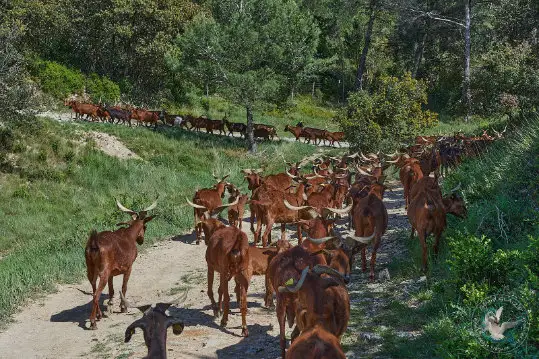
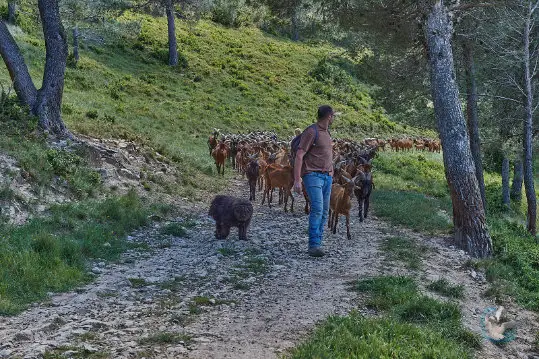
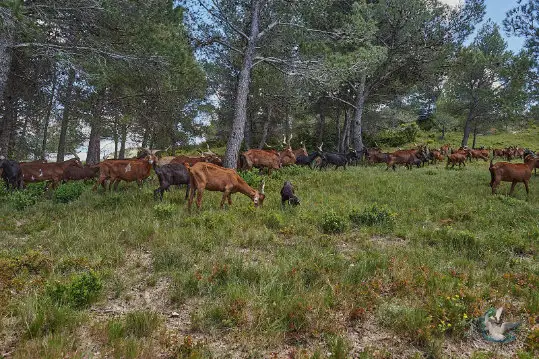
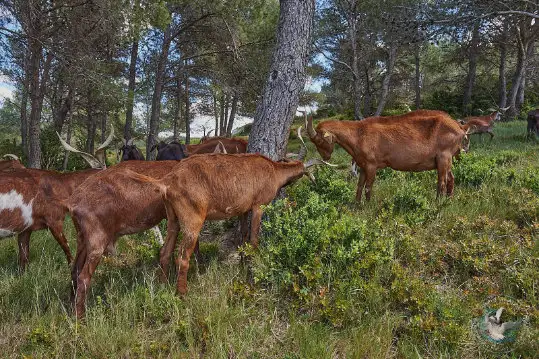
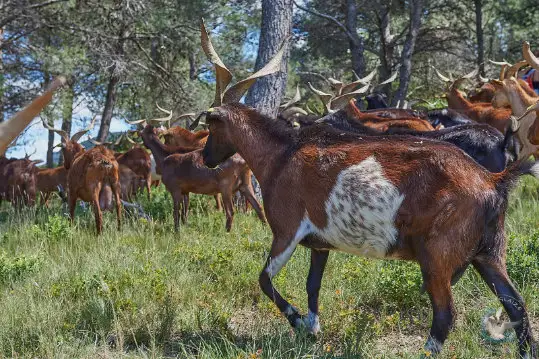
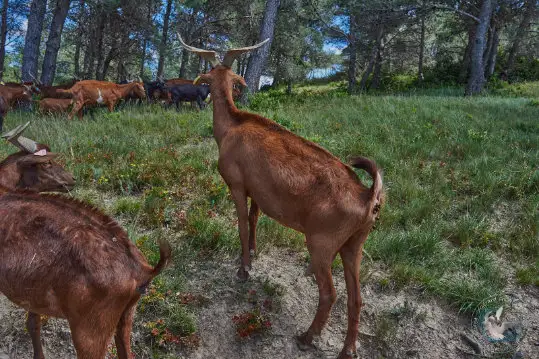
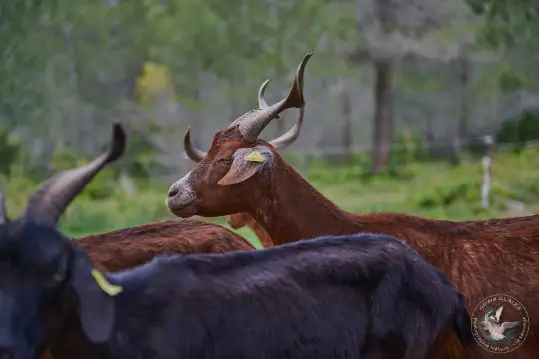
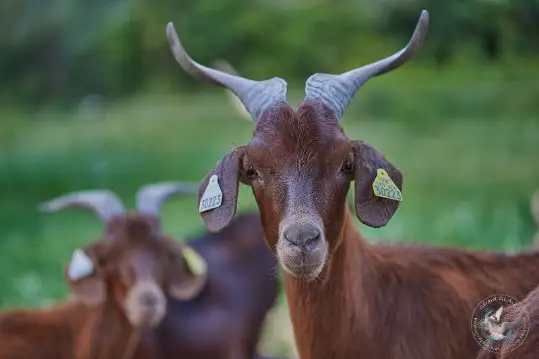
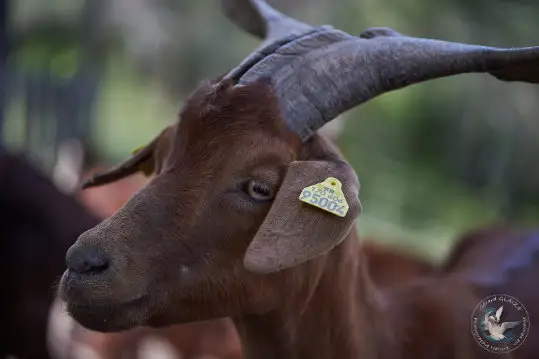
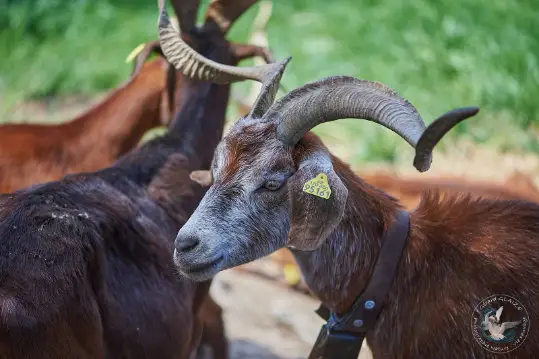
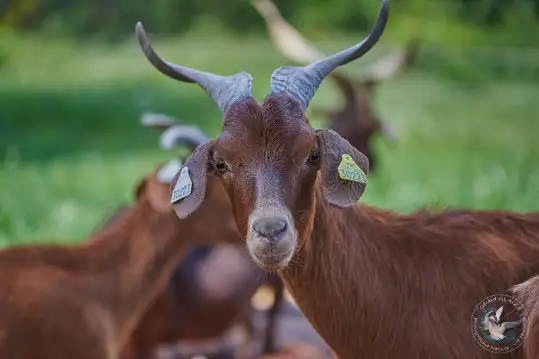
Herd of Rove goats near the village of Aureille.
Informations documentations :
Sites to visit